| Hello Kyle,
Your academic coursework has prepared you to approach problems from multiple directions. You can understand the science behind a question, represent it quantitatively, and use data and computation to investigate it.
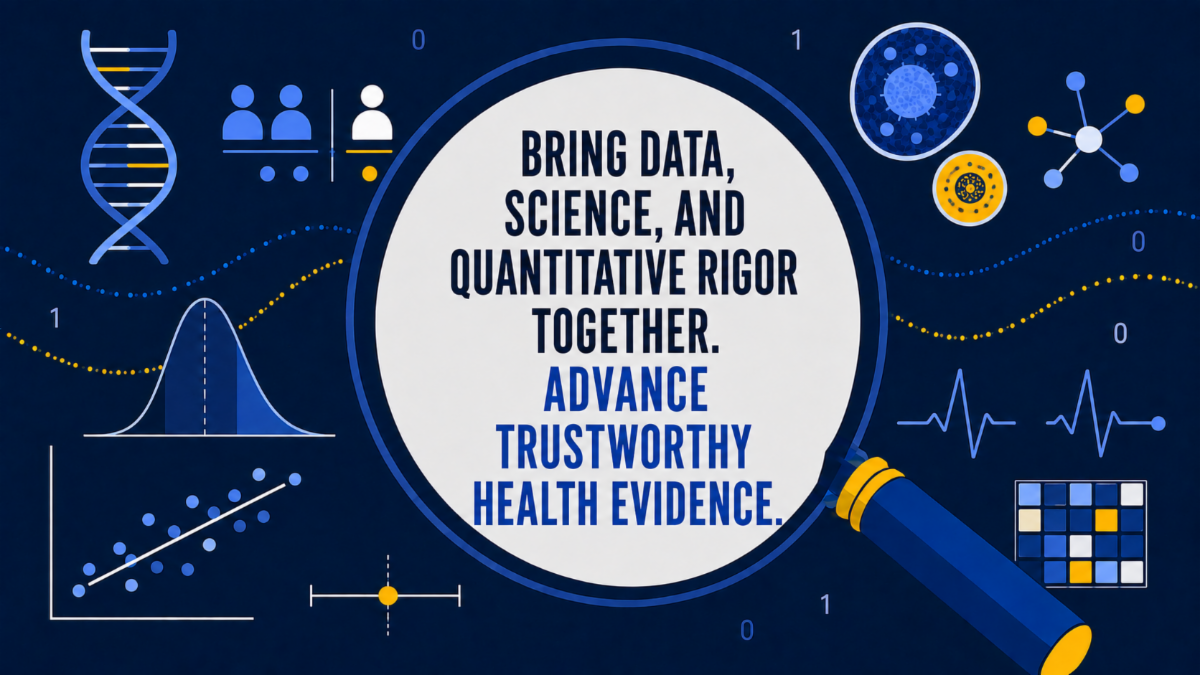
That interdisciplinary perspective is at the heart of biostatistics and health data science -- fields that apply mathematical and statistical reasoning to biological, clinical, and public health questions, turning scientific observations into rigorous evidence about health and disease.
At Michigan Biostatistics, graduate study can help you deepen and unite those interdisciplinary strengths, preparing you to approach consequential health questions from multiple directions.
Biostatistics goes beyond finding patterns. It asks whether the right data was collected, whether the analysis addresses the scientific question, how uncertainty should be measured, and whether the conclusions will hold beyond the original study.
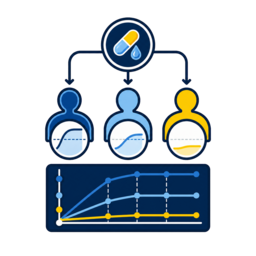
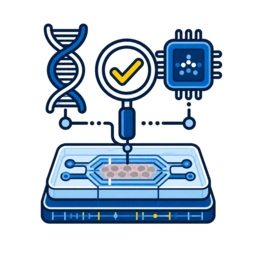
Biostatisticians develop models, design studies, quantify uncertainty, and evaluate the evidence behind decisions in medicine and public health. They work with data ranging from electronic health records and medical images to clinical trials, genetics, and population studies.
That work might include: |