Turn your scientific curiosity into meaningful health impact

Scientific research can reveal how diseases develop, whether treatments work, which exposures affect health, and why outcomes differ across populations.

But observing a relationship is only the beginning:


  • Was the study designed to answer the scientific question?
  • Were the relevant exposures and outcomes measured accurately?
  • Could bias, chance, or other factors explain the finding?
  • Can the result be reproduced across studies and populations?
  • Does the evidence support a meaningful biological, clinical, or public health conclusion?

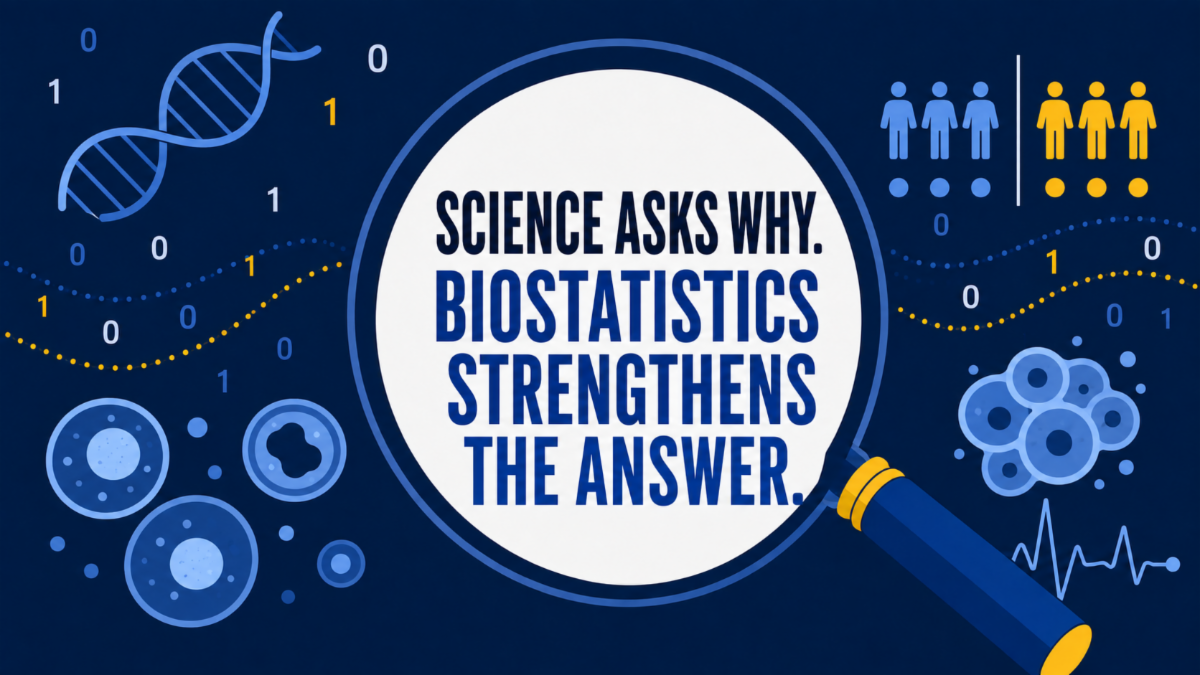
That's where BIOSTATISTICS and HEALTH DATA SCIENCE 
turn scientific observations into trustworthy evidence.

Hello Kyle,


Your academic coursework gives you something essential: an understanding of how research questions develop, how evidence is gathered, and why context matters when interpreting results.


Biostatistics and health data science can help you take that understanding further.


At Michigan Biostatistics, graduate study can help you add rigorous quantitative and computational tools to your scientific understanding, preparing you to turn observations into evidence that can guide research and improve health.


Biostatistics brings scientific understanding and quantitative reasoning together. Questions grounded in biology, health, and human behavior are investigated through probability, statistical inference, modeling, and computation—producing evidence that can guide research, patient care, and public health action.


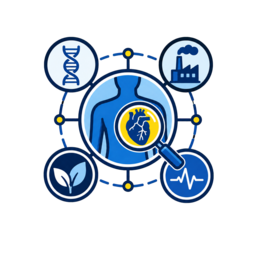
Biostatisticians' work spans nearly every form of modern health data, and deeply intersects with the work of scientists, clinicians, and public-health officials. Biostatisticians analyze electronic health records to uncover patterns in care and outcomes, study genomic data to identify factors associated with disease, use medical images to improve detection and diagnosis of cancer, and integrate information across clinical studies and entire populations. They also adapt machine-learning methods for healthcare—evaluating whether algorithms are accurate, reproducible, interpretable, fair, and appropriate for the decisions they may influence.


That work might include:

Evaluating whether a vaccine works across diverse populations

Identifying risk factors for chronic disease

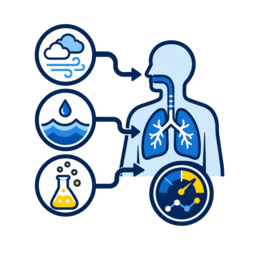
Studying how environmental exposures affect health

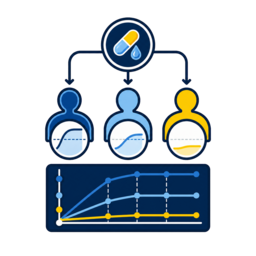
Measuring differences in treatment response

Designing studies that produce stronger and more equitable evidence

Validating emerging biomedical technologies for scientific and clinical use

At the University of Michigan, you can pursue this work through three distinct graduate pathways:


  • MS in Biostatistics, combining rigorous statistical training with applied health research
  • MS in Health Data Science, with its strong computational and machine-learning focus
  • PhD in Biostatistics, preparing students to develop new methods and lead original research.


You do not have to leave science behind to become more quantitative. In biostatistics, your scientific knowledge becomes one of the strengths that helps you ask better questions, recognize meaningful results, and translate evidence into better health.

Interested in learning more about biostatistics?
 
 
Facebook  Youtube  
THIS IS A TEST EMAIL ONLY.
This email was sent by the author for the sole purpose of testing a draft message. If you believe you have received the message in error, please contact the author by replying to this message. Constant Contact takes reports of abuse very seriously. If you wish to report abuse, please forward this message to [email protected].
©