Thinking about research? Start here: Advice from a Michigan Public Health undergraduate junior
Isabel Cosby, Graduate Intern, Office of Undergraduate Education, Michigan Public Health
In my role as the Graduate Intern for the Office of Undergraduate Education here at the School of Public Health, I have met many undergraduate students who are interested in research but aren’t sure where to start. As a current master’s student in the Marsal Family School of Education, I am interested in how undergraduate research experiences can impact student success.
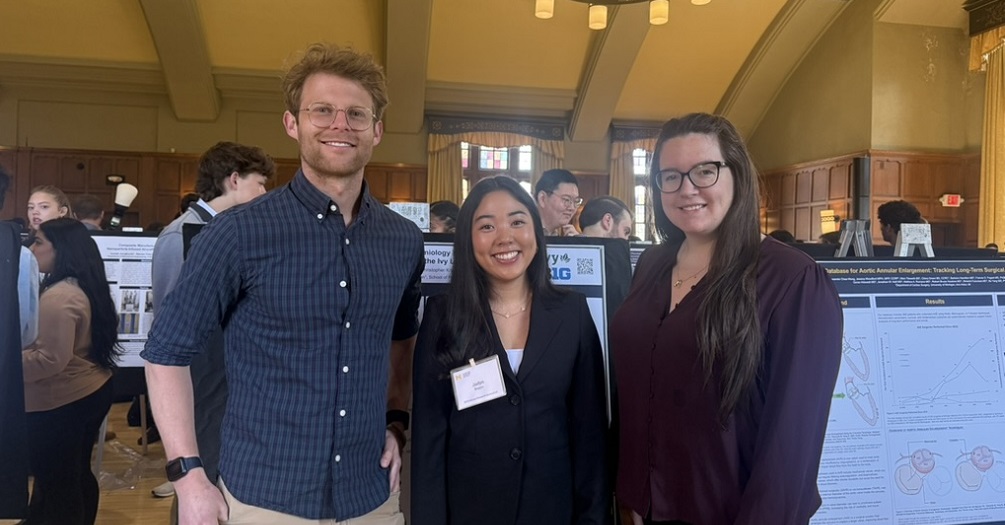
Recently, I sat down with Jadyn Beppu, a junior majoring in Public Health Sciences, to learn about her experiences as an undergraduate researcher. Jadyn works as an undergraduate research assistant on the Ivy League-Big Ten Epidemiology of Concussion Study within the University of Michigan Injury Prevention Center. She is also a peer facilitator with the Undergraduate Research Opportunity Program (UROP).
First, please describe your research project! What are the goals of the project, and what does your role look like?
The first research project I worked on was the Ivy League-Big Ten Study where the goal was to investigate the causes of concussions within NCAA sports to better identify opportunities for prevention. The project currently has 21 participating institutions across the Big Ten and Ivy League conferences.
This year, my project is in collaboration with NeuroSport where I’m tasked with calling patients who have suffered a concussion and asking them about their recovery. I will either call the patient directly or talk to the parent of the patient and ask them some questions about their time to recovery, their experience with NeuroSport, whether they did a return to play progression, etc.
Why did you decide to pursue this research opportunity?
I chose this project because I saw a lot of opportunities for collaboration and networking with PhD students, master students, and other people who are already established public health professionals. It's been really cool to see all the collaborations that happen at the Injury Prevention Center and beyond. For example, my research experience with NeuroSport has allowed me to work with a neurologist which has given me a new lens into sport neurology overall.
When I first started research, I didn't realize that it was an avenue to connect my passion for sports with public health. So, I think this is what really piqued my interest when deciding which project to apply to. I wanted to find out how two of my biggest passions can fit together in a research context.
What have been the most beneficial parts of your research experience?
One of the main benefits for me has been developing my technical skills with data analysis tools like Stata, REDCap, and Microsoft Excel. I think that this will certainly help when I'm applying for future jobs or graduate school.
Beyond that, I think an even more meaningful benefit has been building up my comfort level with networking and learning how to present research. Being an undergraduate assistant on a team full of PhDs and established professionals can feel humbling, but it’s also an incredibly unique opportunity. I’ve learned so much just by observing, asking questions, and hearing about their different career paths.
Overall, I've gained both a strong technical skill set and valuable insights from the people I’ve had the chance to work with.
How has your research experience contributed to your career goals?
I think I've grown a great appreciation for research. It's been a really cool experience to learn about the vast amount of research that's done at different levels, and to see the collaboration that happens between different people involved in healthcare and public health. I think it's also shown me that I don’t want to do research long term, and that’s okay, because now I have a newfound clarity about my next steps. My experience in research gave me great skills and perspectives that I will be able to take to whatever I do next.
What advice do you have for current or future Michigan Public Health undergraduate students who are interested in getting involved in research?
My biggest piece of advice is to talk to your professors. Most of them are actively involved in research or have done research to get where they are today, so they’re great resources. Take the time to learn about their experiences and ask if you can join in on their research teams if they're researching something that you're really interested in.
I have found that the professors at Michigan Public Health are really passionate about helping advance their students’ careers. Building these relationships can also be helpful down the line, especially if you need a letter of recommendation. Overall, I’d encourage anyone who is interested to try getting involved with research because it can be a super valuable and eye-opening experience.
Ready to Apply?
Learn more about our application requirements and deadlines and start your application today. If you’re not ready to apply yet, but would like to receive more information about Michigan Public Health and the program(s) you’re interested in, join our prospective student interest list.
About the student
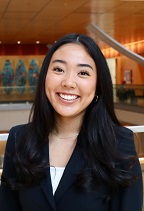 Jadyn Beppu is a junior majoring in Public Health Sciences with minors in Gender and
Health and Sociology of Health and Medicine. She chose to pursue public health because
of her passion for addressing health inequities, supporting marginalized communities,
and promoting healthier practices within healthcare systems. Outside of school and
research, she serves as a HOPE Ambassador at Michigan Medicine, and she is involved
in Global Health Alliance, Hawaii Club, and is an undergraduate ambassador for the
School of Public Health.
Jadyn Beppu is a junior majoring in Public Health Sciences with minors in Gender and
Health and Sociology of Health and Medicine. She chose to pursue public health because
of her passion for addressing health inequities, supporting marginalized communities,
and promoting healthier practices within healthcare systems. Outside of school and
research, she serves as a HOPE Ambassador at Michigan Medicine, and she is involved
in Global Health Alliance, Hawaii Club, and is an undergraduate ambassador for the
School of Public Health.
About the author
 Isabel Cosby is the Graduate Intern in the Office of Undergraduate Education at the
University of Michigan School of Public Health. She is pursuing her master's at U-M
in Higher Education at the Marsal Family School of Education.
Isabel Cosby is the Graduate Intern in the Office of Undergraduate Education at the
University of Michigan School of Public Health. She is pursuing her master's at U-M
in Higher Education at the Marsal Family School of Education.