Collaborating for Child Protection in Grenada
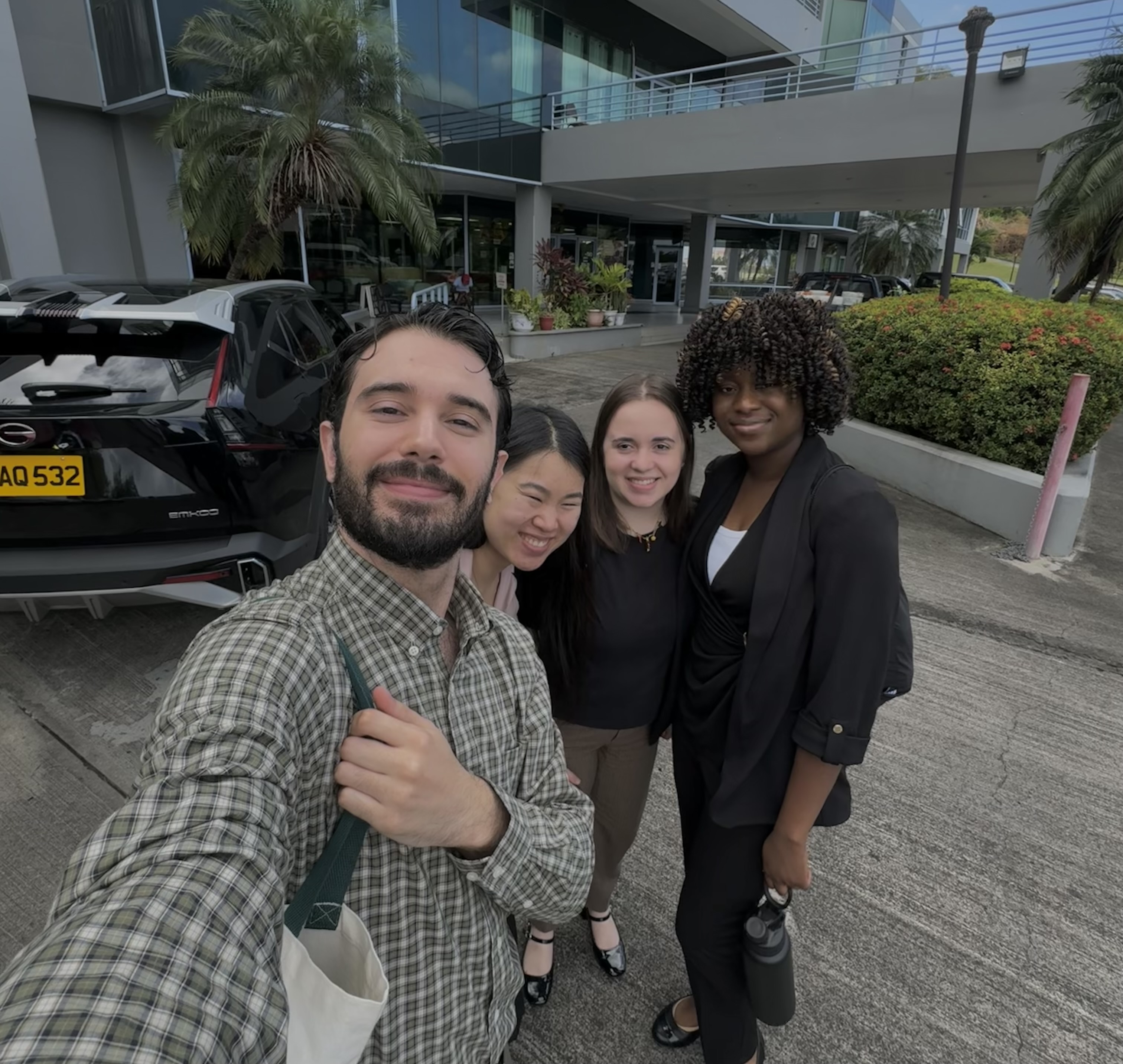
Noah Carey
1st Year MPH Epidemiology Student
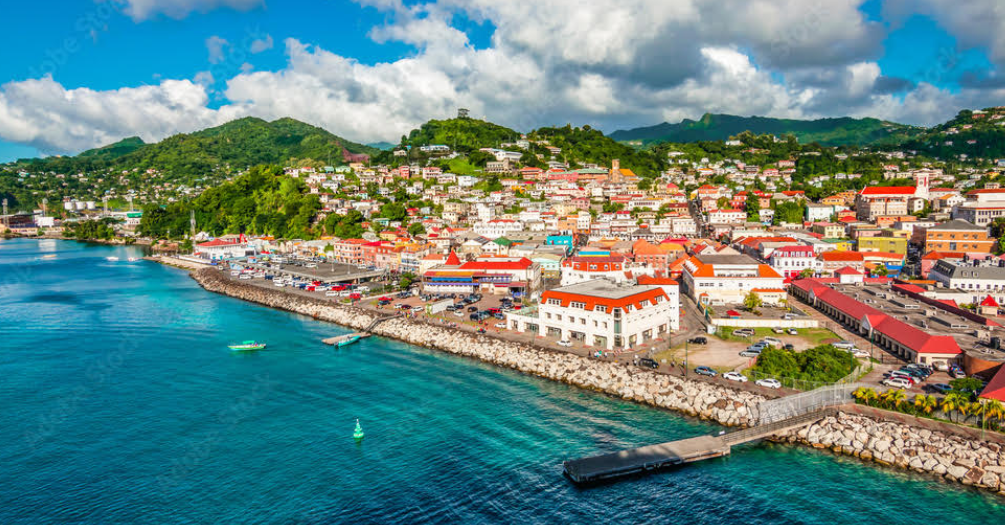
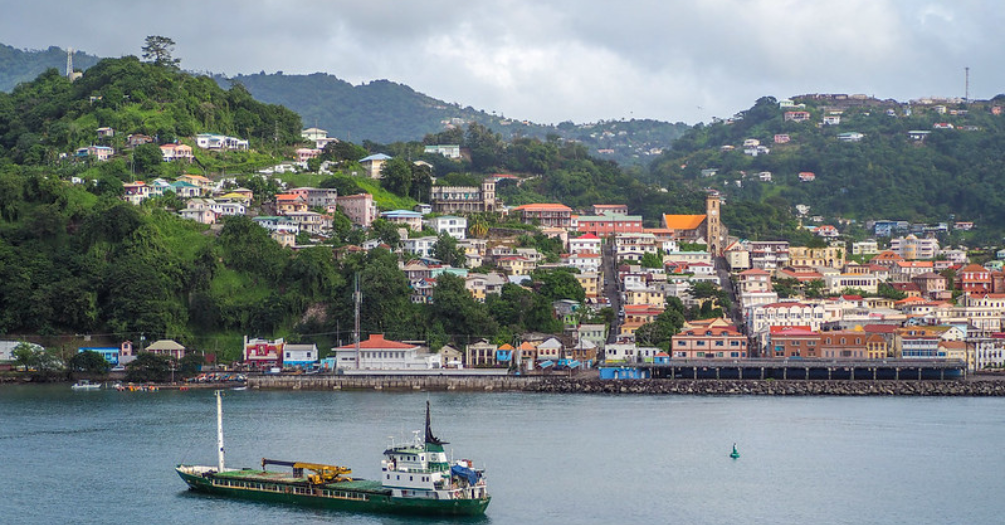
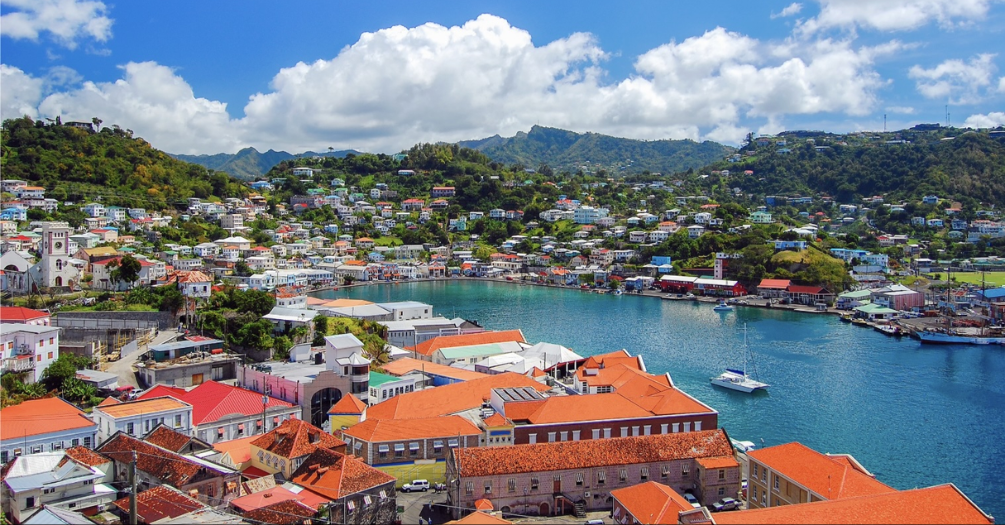
Traveling to Grenada with our team to practice public health was a tremendous privilege. The experience offered not only an opportunity to contribute to meaningful work, but also a chance to learn from a community deeply committed to protecting its children.
During our time on the island, my teammates and I partnered with the Child Protection Authority to conduct a systems-level analysis of child protection in Grenada. Our goal was to help inform the development of national child protection manuals. Over several days, we conducted focus groups and key informant interviews with individuals working across many sectors. What struck me most was the deep passion shared by people from diverse professional backgrounds. Whether they worked in healthcare, law, religious organizations, law enforcement, or directly with the Authority investigating cases, there was a powerful sense of collective purpose. In one focus group, I saw this collaboration take shape in real time, as individuals from the Authority and law enforcement exchanged perspectives and began discussing ways to strengthen their partnership. This moment served as a small but meaningful example of how bringing stakeholders together can extend the impact of the work beyond the room. More broadly, each person we spoke with was united by a shared commitment to strengthening the system and improving the health and wellbeing of Grenadian children.
Professionally, the experience helped me grow more confident in leading focus groups and interviews. I particularly enjoyed speaking with participants before and after our semi-structured interviews, learning about their lives, connecting over shared experiences, and remaining curious about our differences. Our team worked hard throughout the week, often staying up late to complete qualitative analyses of the transcripts we collected each day. What made the work especially rewarding was the shared sense of purpose within our group. We communicated openly, supported one another, and remained focused on the mission that brought us to the island.
The trip also offered lessons beyond the professional sphere. Traveling to a new country brings new perspectives and interactions, and Grenada was incredibly welcoming. Strangers would stop to offer suggestions about what we should see and were genuinely happy to hear that we were enjoying both the island and our work there. I noticed a strong sense of community and care for others. Despite their busy schedules, many individuals took the time to participate in interviews and share their perspectives with us. I also became accustomed to cultural norms that felt both new and meaningful: greeting others with “good morning,” “good evening,” or “good night,” and using titles in ways that differ from how they are typically used in the United States.
By the end of the week, our team had identified several strengths within Grenada’s child protection system, as well as areas for improvement. We had the opportunity to present our early findings to a group of dedicated community members and government officials. Knowing that our work could contribute to strengthening the systems that support Grenadian children was the most rewarding part of the trip.
As a dual MD/MPH student preparing to apply to residency later this year, this experience continues to inspire me. It reinforced what can be accomplished when passionate individuals come together around a shared goal. In my future career as a physician, I aspire to work closely with communities, locally, nationally, and internationally, to improve health and wellbeing through collaboration, compassion, and public health engagement.