My Time in Texas: Centering Community and Connection
Genevieve Fischer
Public Health Undergraduate Senior
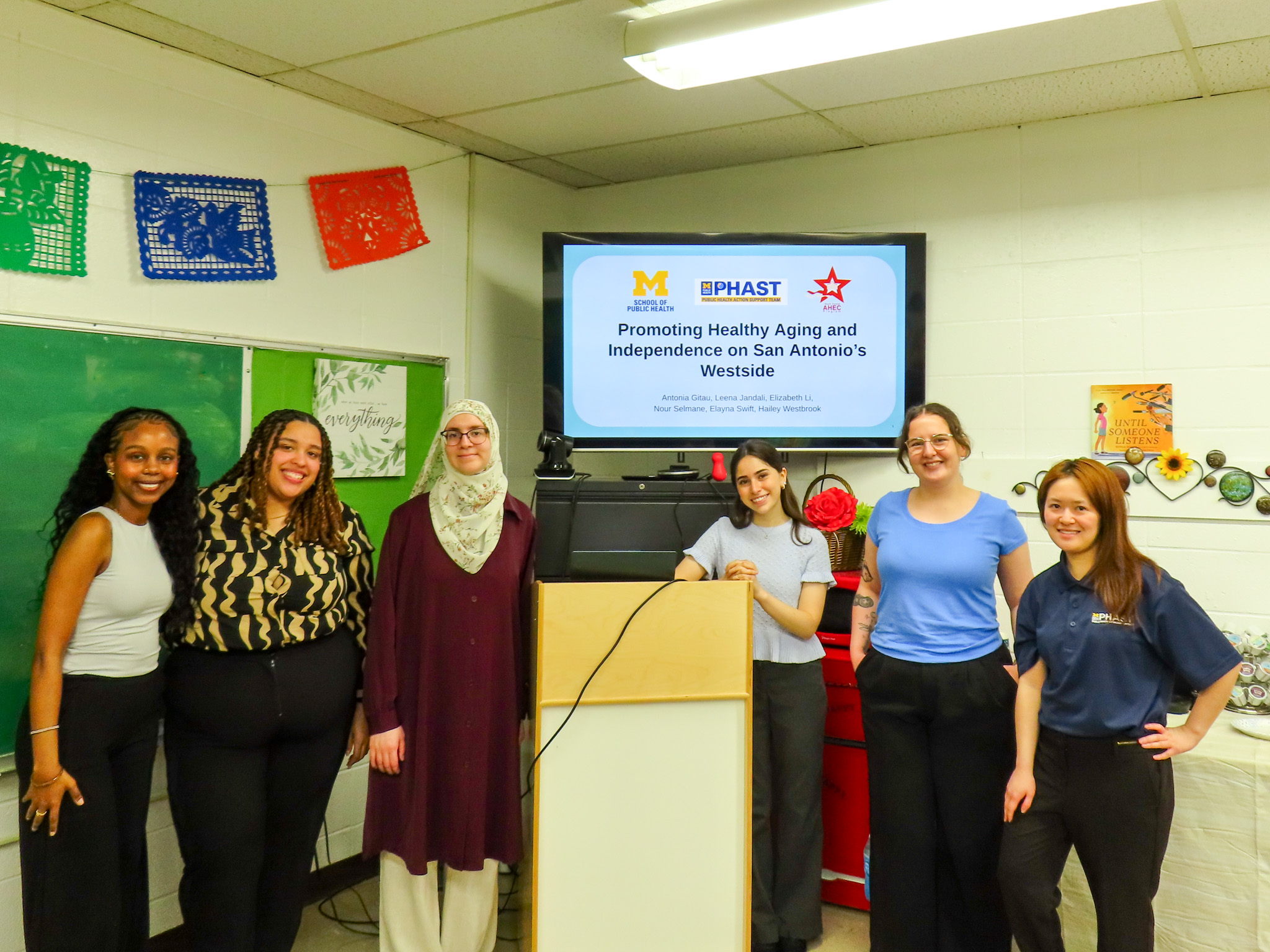
My time in Texas reminded me why I am passionate about public health in the first place: people. Data, statistics, and research is all important, but the most meaningful part of public health to me is when I get to listen to communities and learn directly from them. Throughout the experience, I learned that some of the most valuable knowledge cannot be found in articles or through a Google search. It comes from genuine conversations.
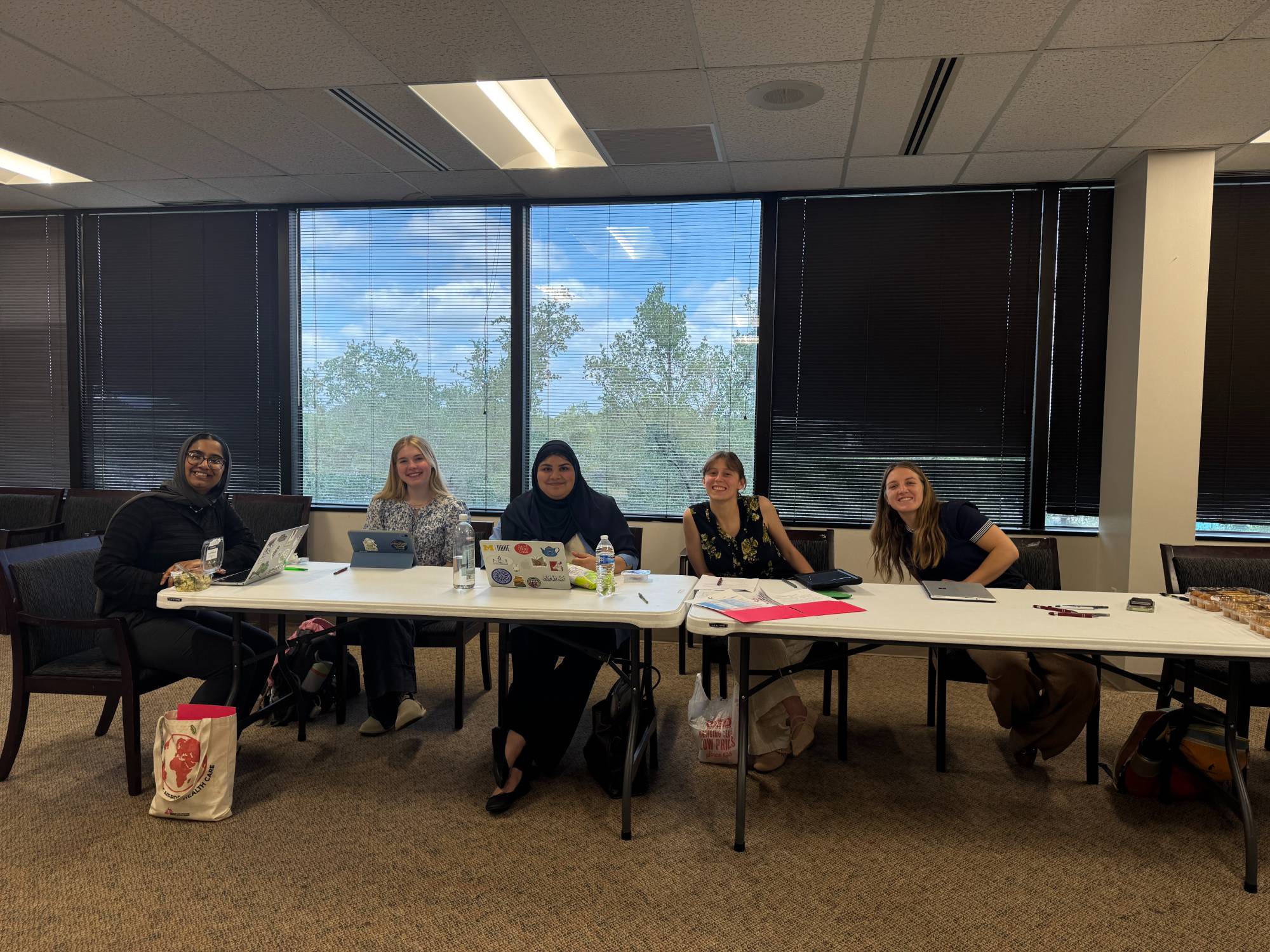
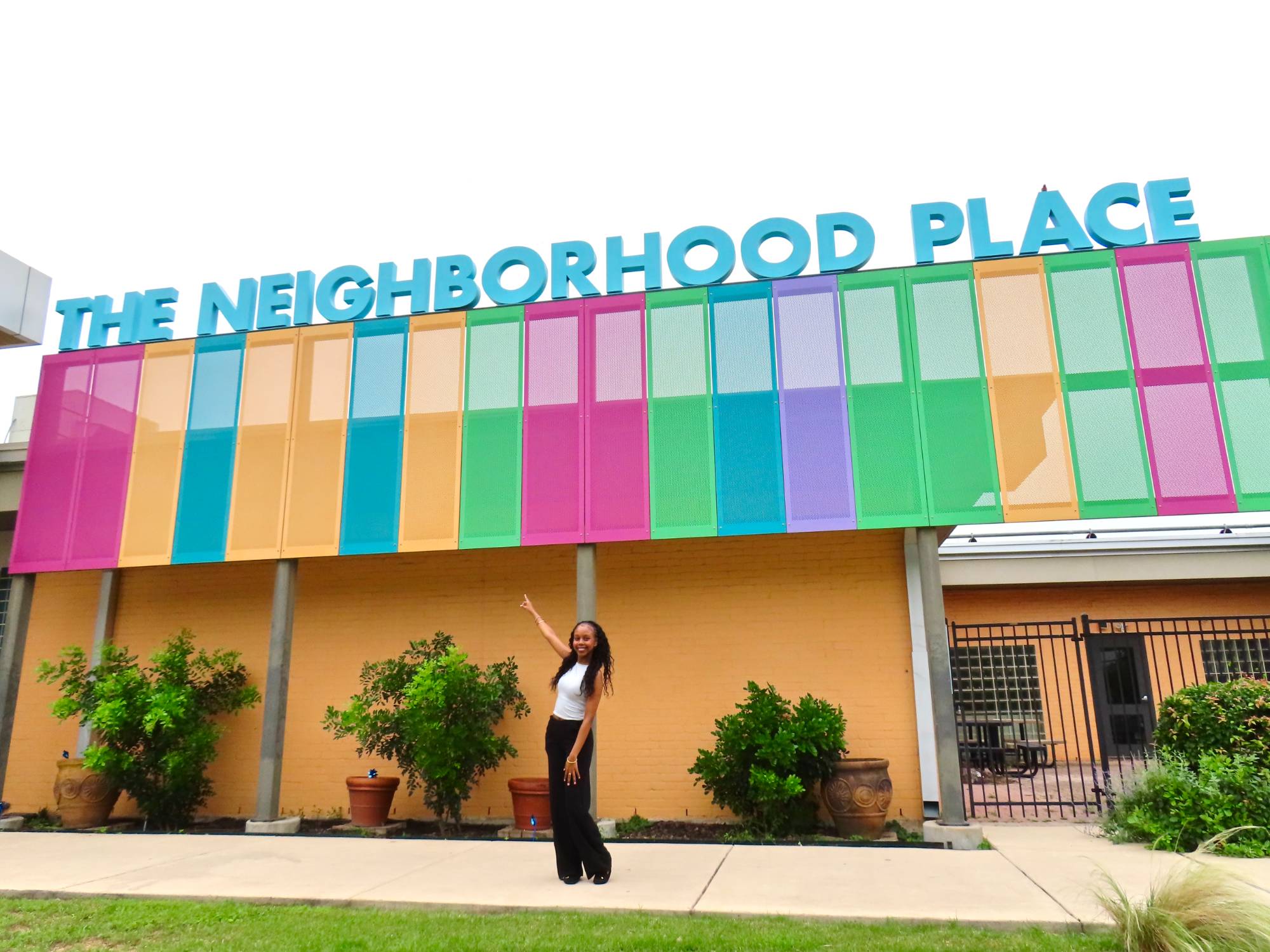
One of the most impactful parts of the trip was conducting focus groups at Ella Austin Community Center. Sitting with community members and hearing their experiences was eye opening because of the trust that was mutually understood. They spoke honestly about their lives, challenges, and the strengths within their neighborhood. The people we had the opportunity to talk with understood the realities of food access, transportation, safety, and aging in ways that statistics alone could not fully capture. To me this reinforced the idea that public health work should always center the voices of the people most affected.
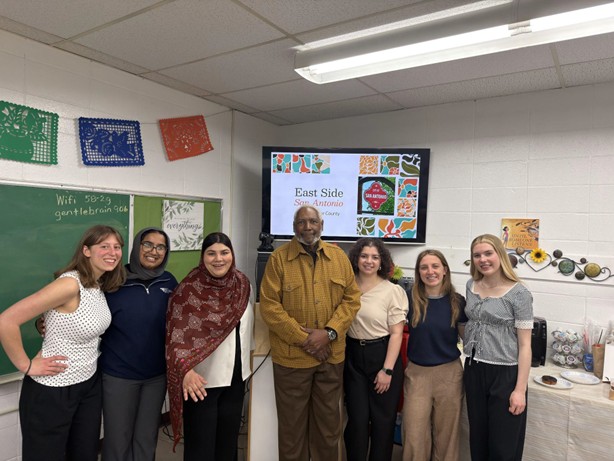
Beyond the research component, I was deeply touched by the relationships we built. Community members welcomed us warmly and genuinely wanted to see us succeed. At the same time, we wanted success for them too. We wanted to elevate their voices to help bring changes to the issues affecting them most. It never felt like we were just collecting information and leaving. Instead, it felt collaborative. The connections made the work meaningful.
Another new experience for me was helping conduct surveys. As an undergraduate student, this gave me exposure to research methods outside of the classroom. I learned how important communication, patience, and adaptability are when working with people with different backgrounds than my own. These are skills I know I will carry with me throughout my future career in medicine and public health.
The asset mapping tour also changed the way I view how the communities interact with the environment. It trained my brain to think about the built environment through a public health lens. My team and I paid close attention to details we may not have noticed before like access to grocery stores, walkability, transportation, green spaces, and community resources. The focus groups and surveys made it clear that health is influenced by more than hospitals and clinics.
One of the most special moments of the trip was the Mother’s Day event we helped host for older adults in the community. The event consisted of a relaxing yoga activity, flower making, and an emergency preparedness presentation. This event created a space for creativity and connection between us and older adults in the community. What I loved most was what happened after the activities ended. We stayed, laughed together, and shared stories. It felt less like an organized event and more like a community gathering. The warmth of the older adults made a lasting impression on me. In the future, I hope to keep making spaces where people feel valued and cared for.
As an undergraduate student, I gained practical research skills and an awareness of what hands on public hea;th work entails. I also gained something deeper, a clearer understanding of the kind of healthcare professional I hope to become. I want to continue doing work that combines science, empathy, and community centered care.