Sustaining the public health workforce: Student debt, service, and solutions

Subscribe and listen to Population Healthy on Spreaker, Apple Podcasts, Spotify, YouTube, or wherever you listen to podcasts!
Laura Power leads a discussion with Brian Castrucci and JP Leider about their recently published study about the student loan debt burden on the public health workforce.
They explore the implications of student loan debt on the governmental public health workers, what’s at stake if the public health workforce is unable to support their communities, and the urgent need for policies to help alleviate student debt and strengthen those going into the field.
In this episode
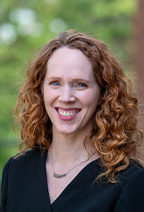 LAURA POWER
Clinical Associate Professor of Epidemiology and Director of Public Health Practice and Global Engagement, University of Michigan School of Public Health
Laura Power’s work is focused on enhancing public health capacity through experiential learning opportunities for students, through needs-based workforce development opportunities for practitioners, and by fostering partnerships between our school, practice-based organizations, and community members. She does this through her work in the Practice Office, through funded-projects focused on the public health workforce, and through teaching professional development and leadership courses.
 BRIAN CASTRUCCI
President and Chief Executive Officer, de Beaumont Foundation
Brian Castrucci is an epidemiologist, public health practitioner, and fierce advocate for the public’s health. Under his leadership at the de Beaumont Foundation, with the support of a dedicated team, the foundation has grown in both size and impact, becoming a prominent voice in health philanthropy and public health practice and driving transformative change to improve population health across the nation.
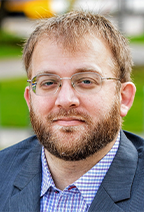 JP LEIDER
Director of the Center for Public Health Systems, University of Minnesota School of Public Health
JP Leider’s background is in public health systems research, including workforce and finance, evaluation, disaster response, and the ethics of resource allocation. His areas of focus include cost estimation, projecting public health workforce needs, and evaluating the value proposition of public health service provision and the public health system.
Related Content
- Student Loan Debt Burden in the Public Health Workforce | AJPH | Vol. 116 Issue 4
- Consortium for Workforce Research in Public Health
- Public Health Workforce Interests and Needs Survey (PH WINS)
Episode transcript
For accessibility and convenience, we've provided a full transcript of this episode. Whether you prefer reading or need support with audio content, the transcript allows you to easily follow along and revisit key points at your own pace.
0:00:02.0 Hello and welcome to Population Healthy, a podcast from the University of Michigan School of Public Health. Join us as we dig into important health topics, stuff that affects the health of all of us at a population level.
[music]
0:00:40.5 Laura Power: Welcome to Population Healthy from the University of Michigan School of Public Health. I'm Laura Power, Clinical Associate Professor of Epidemiology and Director of the Public Health Practice and Global Engagement team at the University of Michigan School of Public Health. Today I'm joined by Dr. Brian Castrucci and Dr. JP Leider, who recently published a study about the student loan debt burden in the public health workforce. We will discuss the implications of student loan debt on the governmental public health workforce, what's at stake if the workforce is unable to support their communities, and the urgent need for policies to help alleviate student debt and strengthen the public health workforce.
[music]
0:01:22.9 Laura Power: I'm joined by Brian Castrucci, who is the President and Chief Executive Officer of the de Beaumont Foundation, and JP, who is the Director of the Center for Public Health Systems at the University of Minnesota School of Public Health. So welcome, Brian and JP. Glad to have you here. I thought we could just start off by letting the audience get to know you each a little bit. So I'll ask you maybe to just share a bit about your background, your expertise, what your work is on. And Brian, I'll start with you.
0:01:48.8 Brian Castrucci: Thanks, Laura. Thanks for having me. My name is Brian Castrucci. I've been in public health practice for 30 years and have done pretty much everything that you could think of in public health. I've done epi, maternal child health, worked on breastfeeding, worked on substance abuse, tobacco. So generally, I am that typical public health nerd who does a little bit of everything and was fortunate enough to join the de Beaumont Foundation 15 years ago and help shape the foundation into one that really, truly cares about public health infrastructure in service of helping every community achieve its optimal health.
0:02:23.8 Laura Power: Thank you. And JP?
0:02:26.2 JP Leider: Thanks for having me. JP Leider from the University of Minnesota School of Public Health. I direct the Center for Public Health Systems, which focuses on meeting health departments where they are and serving governmental public health workers. So that might be evidence generation, evaluation, technical assistance. My path, like Brian, has been varied. So many of us come into public health in different ways. Mine was originally through pandemic planning when we were worried about SARS the first time. And I found that it was interesting and I loved it and it was so challenging, but you could really help people. And so when I went to grad school, eventually I came to work at a health department and I realized, oh, it's not an academic exercise at all. This is how we serve the workforce. And so after working there, I worked for Brian at the de Beaumont Foundation for a few years before doing some consulting in the private sector and now I'm at the university. So, bunch of different sides of public health, but one thing I will say at the beginning, did go to college, did take out student loans, have strong opinions about it, looking forward to discussing.
0:03:35.4 Laura Power: That's great. Well, I'm excited to jump into it with both of you. And before we actually get to the study that we'll talk about today, I thought it would be nice to just talk about what prompted you to do this work. Why was it important to study student loan debt? So with your expertise and the background that you both have, maybe you could help give us a view of the landscape of the public health workforce and why do we care about student loan debt specifically for public health workers? So what's the landscape right now? And I don't know, I'll let maybe JP start with just letting us know where we're at.
0:04:09.3 JP Leider: Sure. So this is a joint project between the de Beaumont Foundation and the University of Minnesota through our Consortium for Workforce Research in Public Health, which is an initiative funded by HRSA and CDC and the federal government. And we're really lucky. Through that initiative, we have this thing called the National Public Health Workforce Research Center, where every year we do eight projects or 10 projects selected by the practice community and held up as the items that are the most important. And this one came up a couple of years ago. Obviously, student loan debt has been on our minds a long time, but it's something that de Beaumont and we and our funders all wanted to try and tackle. And nobody had previously figured out what was that burden in our workforce. We've heard for years anecdotally that loan debt has climbed and climbed and climbed as tuition has grown and wages have not kept up with inflation. But we really didn't know the scope or scale. And so we set out together to try and figure it out. And when we got those numbers, about four and a half billion dollars in debt, among those that have debt, about $50,000, it's staggering and in some ways not surprising. Brian, what was your experience coming into the project like?
0:05:22.9 Brian Castrucci: Yeah, I mean, I think we have all heard that there were issues within public health around financing. And we hear about the things like burnout, being underpaid, the risk of leaving, but no one was really fully accounting for the financial pressure that is sitting under all of that. And so we aren't gonna be able to understand how we continue to keep a workforce if we don't understand why people are really getting driven out. And yes, it's all those issues like burnout and pay, but it's also this cost of public service. Right? I think it's tragic that there is almost like a punishment for public service in today's society. There was a time in America where we helped people get into those jobs that we knew didn't pay well, but the society really needed. And now we're just in a point where it's like, well, get all this debt, but then go to a job that doesn't pay you as well, and somehow you figure that out. Delay buying a home, delay having kids. And we need to confront those realities and talk about them so that we can fix them and maintain the workforce that we need to keep America healthy.
0:06:30.7 JP Leider: Yeah, the other thing I think is really critical to Brian's point is this project started kind of right after COVID response had been ongoing for a few years, and we saw this tremendous burden that the public health workforce was bearing. But at the time, there were actually remarkable advances in Public Service Loan Forgiveness that had been happening for the first time in a long time under the previous administration. And during this time, there was the Public Health Workforce Loan Repayment Program that got passed but never got funded. In anticipation of funding, we were trying to figure out what should the limits be, how large would this project, the authorization, have to be to fund repayment in our workforce? And we couldn't answer those basic questions. So it was a very challenging time then, and now it's challenging, but in a different sort of way, as Brian is saying.
0:07:24.4 Brian Castrucci: I think what's cool is that for folks who are, for students who are listening especially, people used to tell me when I was a student that you could fit everyone in public health on a head of a pin, and you'd think, "That's not real." Well, actually, it really is. I mean, JP and I have been working together on and off for 15 years, and we were two of the originators of this PH WINS survey, the Public Health Workforce Interests and Needs Survey, which is a survey among governmental public health workers at the state and local level. And WINS gave us a unique opportunity to look at the economic pressures facing our governmental public health workforce just by including a simple question about what is your loan debt. So this isn't anecdotal information we're sharing. This was nearly 57,000 public servants in public health telling us in their own data what it costs to choose public service.
0:08:17.3 Laura Power: So you used the public health WINS study to examine the student loan debt, and I thought maybe you could say a little bit more about public health WINS, just so everybody is familiar with the survey, what the methodology is for reaching the public health workforce across the country and really understanding what's going on. So tell us a bit more about public health WINS itself.
0:08:38.8 Brian Castrucci: JP will take the methodology, but I can start with why we did this. When I started at de Beaumont, which was almost 15 years ago, I came from a health department, and I noticed that every time they wanted to hear about what it was like in a health department or what our needs were as health department staff, they would convene the state health officials, or they would convene the heads of epi, or they would convene the leaders of something. And rarely did the actual people doing the actual work on the actual frontline ever get to really contribute to that conversation. And so WINS was trying to democratize that input by asking people at an individual level, "What is it that you need? What are your training needs? Are you planning to leave?" And so it was really one of the first surveys at a national level. I think many state health departments and local health departments were doing this in their own health department, but to do it nationally on the same instrument with the same analytics so that we could actually allow states to compare each other and that we could share this data with Congress and other legislative leaders. Ultimately, it gave us a whole set of data that we hope drove workforce improvement. Right? It was a national employment survey for all of us who care deeply about the public health workforce.
0:09:59.3 JP Leider: There are about 240,000 state and local workers when the last PH WINS was fielded in 2021, and 57,000 responded. So this is 10 years of PH WINS or so, four fieldings. And this was the first year where essentially every public health worker in the country could participate if their agencies wanted to and they wanted to, including small agencies. So that's really meaningful because you have to have a certain size of agency to really be able to do workforce development, but even if you work at small agencies, you have workforce development needs. And that split is really hard to manage. And so being able to include so many folks in this study to look at all kinds of things, like Brian's saying, intention to leave, characteristics about the workers themselves like educational attainment, racial and ethnic backgrounds, age, time in your job, time in public health. You can couple that really important information with all kinds of training needs and sentiment perceptions about the workplace. It is the only national study of its kind, but you can also compare it to the federal government within agencies and states. And so there's a lot that people have done in these last 10 years with PH WINS, and student loans is one of the newest.
0:11:18.7 Laura Power: That's great. Yeah, it really gives you a big picture of what's going on, and it's been great to see such a good response to the survey. I know that the public health training centers have helped with fielding the surveys, and so I think that's been exciting to be part of that and making sure there's been a good response. So it seems like this is very robust data that you can use to investigate this question of what is the student loan debt. And so it's been running since 2014, I think, that the first survey went, and so now the last one was 2024. Getting ready, soon there'll be another one, I believe, in 2027, so we'll look forward to that. But let's get back to the student loan debt. So tell us about the study. You investigated this through the public health WINS survey. What were the findings?
0:11:59.2 JP Leider: Sure. So I'll maybe let Brian lay out the top lines, but I think there's a lot to say here. As I mentioned before, among the respondents, about 57,000, those that had debt had a lot of it, somewhere around $50,000 per person. In the workforce overall, even if you take all the people that didn't have student loan debt, that's still $20,000 on average, which is really substantial. A number of workers have paid their loans back, which is great, but a number have not been able to. And especially when you look under the age of 35, there's an awful lot of people who have as much student loan debt as when they started or more. About half of workers 35 and under have 75% plus of their original balance still that they're paying off, even if they've had it for a number of years. And we can get into the details. I'll be interested in what you all think, but we see differences by race and ethnicity where staff from communities of color, especially Black or African American staff, are more likely to have taken out loans and have higher loan balances, all else equal. And we can kind of go down this line and see that there are systematic differences and disparities in student loan balance, and it even tracks with educational attainment. Even when you look, as you might expect, master's people have higher debt, doctoral people too, compared to bachelor's. But these differences that we're seeing, they persist regardless of level of educational attainment.
0:13:31.6 Laura Power: Were you surprised by the numbers that you found? Was this a surprising finding?
0:13:37.0 Brian Castrucci: I think it is surprising because if you ask just the general US adult walking around, about 17% are carrying some loan burden from school. For public health, it's 40%. So that is a group of people who are actually, again, paying a penalty for choosing public service. We have this workforce that is carrying kind of professional school level of debt, but earning those public service salaries. And the public health workforce, here they're being asked to protect the nation's health while they're simultaneously carrying billions of dollars in personal financial burden. So I think what's important about this study is at some point this debt stops being a personal issue and becomes a systems issue. And if we don't figure out how to deal with this kind of debt burden, then we will not have the public health workforce that we need when something breaks the next time, whether it's bird flu or hantavirus or something we haven't even thought of yet. But not investing in the infrastructure that is public health, which is our workforce, weakens our nation and is a huge mistake.
0:14:50.1 Laura Power: And you kind of got to this point a little bit already, but I just, as I was reading the study, I did kind of wonder, how does this compare to other workers? And you mentioned generally maybe about 17% versus 40% of the student loan debt that is out there. But it sounds like it's also an issue of the pay or compensation that people are getting when they're in the public health jobs. So just kind of trying to put this in perspective, student loan debt generally, what do you take away about public health workers specifically?
0:15:25.4 Brian Castrucci: Well, I think you have these kind of other highly indebted professions that are going to walk into six-figure salaries. That's not gonna happen when you're walking into public service. I mean, that's the thing that we have to reckon with. Even with some of the new DOE policies, I mean, if a physician or a lawyer is taking out more than $100,000 worth of debt, they might be able to make that back in their first couple years, but that's not how it works in public health. And more importantly, when you put a giant loan burden onto a public health worker, it begins to shape how they pick their job. More urban, in private sector, with hospitals. And so we're losing the places that need these workers the most: rural areas, right, places in smaller health departments. This is what we have to reckon with. So, yeah, you could probably get a good-paying job in New York City, but we shouldn't have all of our public health graduates going to New York City Health Department, even though it's one of the best. There's a lot of opportunity in our nation's rural health departments, but the pay just might not be there. And at the end of the day, I know that our public health workforce is committed, but I also know it's really hard to pay your monthly loan payment with commitment.
0:16:36.0 JP Leider: In public health departments, not as many people as you would expect have a formal public health degree, about one in five. And when you look at folks who are leaving school, their first jobs out of public health school, most likely not to be government. So in some ways it's not surprising, right, that people behave rationally. If they have higher debt, they can't make the choice to go and take less because also, like Brian is saying, rent is very high, food is expensive, transportation is an issue. And one of the challenges I had during COVID that I talked about a lot is it was great to recognize that we had public health heroes, but also they're employees and they're people and they've got a lot of bills to pay. And so cheering folks on is not the same as paying them equitably. And it's a prudential issue for me. It's not a moral issue. If you don't pay people, they are more likely to look elsewhere for jobs because we have incredibly well-trained people coming out of schools of public health in data and other kind of epi-related issues. They can get jobs in tech. Well, maybe not right now, but generally. Nursing folks can get jobs anywhere. Kind of not right now, but generally, right? It's a tough market, but our folks are very well-trained and they don't have to get jobs in government. They can go anywhere, and that's where we've seen them go, almost everywhere else.
0:18:11.4 Laura Power: You had mentioned in talking about the data, the disparities too, by race and ethnicity, and I wonder if you could expand on that a little bit.
0:18:21.0 JP Leider: Sure. There is this long-standing notion of what social capital means to economic mobility. And some of that is who you know, right? The family that you're part of or the community that you're part of. Can you get folks to support you going to school? If you're going to a more expensive place, will they give you a private loan or will they just pay for it for you? And this is not at all unique to public health. I think where it's particularly acute is that schools of public health are much more diverse than the general kind of graduate-level population in the US. And even though our agencies aren't as diverse as we might like them to be or representative based on race, ethnicity, urbanicity, and rurality, you do see substantial differences in these data based on where folks are and who they say they are. And it tracks in ways that are really unsurprising, right? So we've seen conversations again around social capital and race, ethnicity for 50 years or more. We see that still, that folks who are Black or African American are more likely to have taken out loans in higher amounts, have not paid them down as much, but also that white and Asian staff less so compared to other staff. And I think that's relevant and it's consistent with what you see in kind of the national student loan surveys that occur, but is particularly acute because of who we want to work in health departments: people that look like the communities they serve. As Brian said, it's really hard to do that if you can't pay your rent because you've got enormous student loan debt to deal with.
0:20:02.3 Brian Castrucci: And just to kind of underline and punctuate that, I mean, that's why the racial disparities in debt should deeply concern anyone who cares about building a representative workforce. Debt is becoming a barrier to that, and something we don't necessarily talk about, right? So you can do the recruitment, you can get folks into school, you can work at that level, but if at the end of the day, you can't let student debt just shape that individual's career, it starts to shape the entire system. And so it creates a barrier that is completely within our control, right? Whether it's tuition, whether it's loan paybacks, whether it's loan forgiveness, I mean, all of these are within our control. These are all person-made issues. And so while we're putting energy to communications and we're putting energy to fighting burnout and all the other issues that are within kind of the public health discussion, we have to prioritize debt and debt reduction among all of those issues because there is as great a threat as any one of them.
0:21:09.3 JP Leider: That's right. And I think that happens on both sides of an education. There's no question that loan forgiveness and repayment is a primary area and way that we've tried to tackle health workforce shortages forever, right? Think about all the programs that exist for doctors and nurses because they need to, because there are shortages, because people won't go to school if they have $300,000 in debt. That same issue applies in public health. It's just we don't have those kinds of robust programs and really never have. Public health workforce loan repayment, we've tried to... We've had three or four iterations of it, and it's never been funded. So it's approved, it's passed, it's in statute, but it's never appropriated, so we can't do it. That's a policy question, Brian, and exactly the way you're talking about. I also think we need to engage with what you said around the question of tuition, right? There's a big yellow M in my Zoom background. There's one in yours too, Laura. We are at institutions, schools of public health, good ones, where it's not the most expensive tuition, but it's expensive. And we have obligations to our students, right? I think it's both about how many students do you take on relative to the market and trying to keep your costs down as reasonably as possible, understanding there are a lot of pressures on academic public health related to research funding right now, for instance. But we got to talk about it. We can't pretend as if it's only an issue on the other side of things, that tuition will just always go up and that's how it is. We can be more careful and more practical and think about what we owe our students even before they graduate.
0:22:44.8 Laura Power: Just to follow up on that, have you seen schools been able to make a difference in tuition? Is that something where it does seem like it does tend to go up every year, but it is something important to talk about. I wonder if there are examples of where differences have been made.
0:23:02.0 JP Leider: Tuition isn't something that tends to go down. And I do think some schools have been more successful than others in leveraging their endowments and their cost structures to decrease the net cost of attendance in some ways for some people, but not across the board. That's just not a thing that we have done well. And that's not a public health thing. That's post-secondary education, right? But Brian is right. If we don't do something about it, the declines that we saw in graduate public health education before COVID that got turned around during COVID, they're back... They're going back down again, right? The number of graduates we have in public health programs is going down. The number of applicants is going down. Tuition is a big part of that. It's not the only thing, but we should be realistic. It will really affect us.
0:23:53.0 Brian Castrucci: This, like so much that we deal with in public health, is a human choice. We've chosen to finance the education this way. We could say, "Look, we need more public health people in rural America, and so we're gonna have this program and we're gonna actually fund it," or, "We need more people to fight the next pandemic, so we're gonna do this program." But we have to create that. And instead of putting down public health, let's figure out how we uplift public health. Not for the public health people... This has nothing to do with the public health people. This has everything to do with the safety, security, and economic prosperity of this nation. And that's where we're missing this. It's like, "I don't want to help the public health people. They made me wear a mask." Well, if you don't want to have to wear masks again, if you don't want to have to close the schools again, if you actually want a nation that can sustain, you need public health. Without our health, we have nothing. You can't go to school, you can't read on grade level, you can't go to worship, you can't go to your job and show up as your best self. Health is the foundation of our nation's kind of house, if you will. And right now we're taking a jackhammer to it.
0:25:02.1 Laura Power: Yeah. And you're reminding me what a broad issue this is beyond just the cost of tuition for public health degrees. And you're actually reminding me of the finding from a prior Public Health WINS study, or I think even the 2024 one, where about 22% of public health workers have a degree in public health, but it's 40% of them that have debt. So just kind of connecting those ideas, and to me that's telling me that it's a broad issue of student loan debt more broadly, not just specifically in the public health field and schools, but just kind of thinking about the bigger picture of student loan debt overall and then people going into public service. And just curious to hear your comments about that, Brian or JP.
0:25:45.5 JP Leider: Yeah, I feel like there are two distinct things that we're talking about there, both of which are worth getting into. On the side of academic public health degrees, it's also a very low percentage of first destination jobs after school where they're going into government of any kind, health department or otherwise. But that also means that academic public health now is not what it was 75 years ago when the MPH started to train people who were in the public health workforce or were about to be. It looks very different now. We have a different job. To me, my core commitment in a university and a school of public health is still to train the public health workforce, but I have to recognize that's not where most of my grads go. And there are things that I would love to do to fix that, but I have to acknowledge the market as it is. The second thing that I think is really challenging with that 22% of public health workers in the state and local level having formal public health education, I think it would be kind of weird, I don't know about you guys, if I went to a dentist's office and a fifth of them or half of them had dental training. But I do want to recognize that there are all kinds of jobs in health departments, and it's a governmental thing, right? It's a public service thing. Where I get worried is when I look within the public health sciences among new grads, and it's still only about half, right? It's a lot more than 20%, but half, to me, that says that there's also something going on here where people who are the hiring managers don't see what they need coming out of our schools and programs of public health. That when they know that if they hire people from this program or that program, they're gonna have to retrain them, so they'll look wherever. And I think that's a huge thing that we need to address while we're looking at loan issues, while we're looking at compensation. It's making sure that it makes sense for our grads to go into health departments and for health departments to hire our grads. There's a disconnect there, and I think it's all connected.
0:27:54.0 Brian Castrucci: Yeah, I just don't want debt to be a deterrent to public service. It is that simple for me. I have spent my career in two places, which was health departments and philanthropy. And I started my career in health departments in the Philadelphia Department of Health and then went to Texas and went to Georgia, and it was the most rewarding work I've ever done. I was fortunate. I was a North Carolina resident, and so my undergrad was at North Carolina State University, my doctorate was at University of North Carolina, Chapel Hill. I went through state schools. I also did a stint at Columbia, but as a PhD student, so I was paid, right? I worry about all those leaders in public health who could benefit from DrPH training, but the DrPH is almost always paid full freight by the student. And so the question has to be, what is it that we want for our nation? And JP was right when he said earlier, there's nothing that gets HRSA more funding than showing a congressperson that they are really underserved with physicians or nurses. But we don't even have a number of how many epidemiologists should we have. We found in another study that JP and I did together, I don't know how many years ago now, probably five or six years ago, that we need 80,000 more employees to even deliver the basic public health services. That's not even talking about surge capacity on a pandemic. So we're 80,000 light already. And that debt is a deterrent. And I can't continue to tell people to go into a workforce because they care deeply when they can't pay the bills, or they can't buy a house, or they can't have a kid, or they can't afford to support their parents in their elder years because they've chosen to serve the public. If you're making that choice to serve the public, then we, the public, have a responsibility to ensure not that you have enough money in your salary to buy a Bentley. That's not what people are asking for. They're asking to not have to have $70,000 of loan debt against a $35,000 a year salary. And I don't think that's ridiculous to ask, but it's about a value that we have to have. And until we value public health, until we value public health infrastructure, it's going to be hard to get Congress to actually make the investment. We clearly value the military. We make that investment over and over at huge numbers. I remember reading that there was an accounting error at the Pentagon that resulted in a $6 billion underspend. And I was like, "Wow, an accounting error at the Pentagon is twice the generational investment that we got through the PHIG grant in public health." Right? So let's just put this in perspective here. We pay for what we value. There is no better statement of your values than your budget. And we aren't funding public health, and we're doing that at great risk to our future and our present in this country.
0:31:13.3 Laura Power: So building on that, I think you're talking about federal budget priorities reflecting the values. And so what are some things that we would want policymakers to do or to consider, at least? What things should they be thinking about to reflect those values?
0:31:29.5 JP Leider: I want to recognize this is a really challenging time to think about being a public health student or a student thinking about education, higher education at all. There is this real challenge getting a job for anybody, even in some of the fields that have been hiring a lot. And I want to acknowledge it's not all a government thing. AI is changing a number of fields. But there is a lot of governmental policy that has occurred in the last couple years that makes it harder to be a student. Just a couple weeks ago, the new RISE rules about what is a professional degree or not a professional degree were finalized. And so now there are new student loan limits that have come out. And I think there's a debate we could have about the extent to which that's good or bad, but the reality now is because, at least in the next couple of years, tuition's not gonna go down because it's locked. That means students that are gonna start in this fall will have either a choice to not go to school right now, to go to a different and cheaper school, or more likely what's gonna happen is a lot of people are gonna take out way more private loan debt than they have in 20 years. And to me, that's bad and risky and, to Brian's point before, will be an enormous deterrent to taking public service, especially because a lot of the... Unless you roll them together, you can't forgive private loans. Right? That's the whole point of them. It's gonna be hard, and there are other federal policies we could get into if we want, but however challenging it was last year, it's only gonna be worse now and in the coming years.
0:33:01.6 Brian Castrucci: And to expand on that a little bit, when did we all decide that an MPH was the entryway degree to get into governmental public health? So maybe we as leaders in the field or academic leaders need to think about how do we deliver the education that people need to ensure that their communities are the healthiest they can be, given some of the challenges that we have with tuition and loan repayment and loan burden. So we have to think about different ways of entry into our field through community colleges, through on-the-job training. I was talking to a local health official once, and I asked them, "How do you recruit your epidemiologists in this small rural health department?" And she said, "Well, if I ever get an epidemiologist, I will let you know." I've worked in big health departments, Philadelphia, Texas, and Georgia. When we posted a position, we were posting it nationally. We were recruiting at least regionally, if not nationally. But if you're in a small rural county, you are getting the folks who probably live in that county, right? So you need to find a way to get them into the work. And I'm really encouraged by new programs like New to Public Health that gives people some of that additional training that they need on how to work in a health department, regardless of their educational background. But to address the first question, what did I want policymakers to think about? The question that I want to ask policymakers is, what happens if talented people stop choosing public health? What kind of threat is that? Is it a threat to everything that we care about? It's a threat to our safety, it's a threat to our security, and it's a threat to our economic prosperity. It is a major threat if our folks stop choosing this degree, if the commitment is overwhelmed by the loan debt. Right? There is some sort of algorithm we all do. And you might care deeply about something, but you got to pay the bills at the end of the month.
0:35:03.3 Brian Castrucci: And I just want to ask any legislative leader, should we continue to penalize those who choose professions that society critically needs but often don't have that commensurate salary? And I think that's true for teachers, I think that's true for nurses, I think that's true for public health workers. But there's a group of employees, of workers, that we need for the machine to function, right? We need it for the world, for the country to function. And if we lose that, it's like losing the oil in your engine. And if you've ever not put oil in your engine, you know at some point the engine seizes and you just aren't moving forward anymore. And so it is real fancy to be a doctor, and it is real fancy to be a lawyer, and it is real fancy to be a lot of these professions. But we critically need people to work in public health or all of it crumbles. When our health fails, the whole house of cards falls down. And we have been toying with this for far too long. And I hope that the legislative leaders proactively solve this problem because it's gonna hurt a lot more if we're having to solve it after the pain comes.
0:36:17.0 Laura Power: Are there things that state and local public health can do to try to address the issue, the issue of wages? They're also struggling to address that too, but what could they do?
0:36:28.8 JP Leider: We know that when you pay people more, they are more likely to stay in public health. We've seen that for a number of years, but also that it's very hard to impossible to do it. So how do you keep a workforce that is more likely to go out the door than the generations before it? You control the things you can control. You improve the quality of their workplace. You give them clear career trajectories. Right? These are evidence-based recruitment and retention strategies that are not specific to public health but that we have seen work in public health. I don't know about you, Brian, but pretty often when I talk to leaders about what they could and should be doing, especially when they see their PH WINS data, they look at the reasons for leaving and they get stuck on the fact that the pay is such a huge reason for leaving, which of course it is, but they tend not to get stuck on these other things, right, that people aren't satisfied in their job, that they don't see a path forward in their agency, that they have something going on with their supervisor, right? Yeah, you quit because you're not getting paid enough, but really you quit because your supervisor isn't treating you with respect or isn't giving you a path forward, or you are in a small place where there just isn't a ladder for you to climb. I think it's really tough.
0:37:41.7 Brian Castrucci: No, I think you're absolutely right. I think workplace literature generally says that you leave your manager, right? You're leaving when you're unhappy and dissatisfied. I mean, you got to remember that the people who are in governmental public health have already made a choice of mission over money. So if truly the salary was the driver, they wouldn't be there in the first place. We have to prioritize retention for those folks who make that choice. We have to make it worthwhile for them. They're already giving up their financial gains that they could realize in other places, and they're making that choice because they are prioritizing mission. And I think that is admirable, and I think it's something we then have to nurture. But that means having really amazing workplaces and really amazing managers and thoughtful workplace policies. And this kind of 1950s government structure that we have has to modernize. Now, I understand that we probably aren't gonna have nap pods and ping-pong tables at our health departments like Google does, but we can get a whole lot closer to Google than we are now.
0:38:46.8 Brian Castrucci: And the challenge here is we all got into public health work because we care deeply about the public's health. We really didn't get into it to be managers. We're not trained as managers. We're not trained on how to manage a budget. We are not trained on how to help motivate staff. And so our kind of soft skills as managers have to get improved. When we tell people you need to keep up to date in the literature, we're talking about the scientific literature. We need to talk about the business literature. You need to be reading Harvard Business Review just like you're reading AJPH, because that's where you're learning about how to manage effectively. And it's part of our challenge that we tend to hire our managers for their scientific skills and not their management acumen or potential. So you hire the best epi to run the epis, and that best epi tends to micromanage the other epis because they knew how to do it best. That's why they were the best epi. It doesn't mean they're the best leader, right?
0:39:47.6 Brian Castrucci: And I also have to put in a plug for hiring our leadership in health departments with experience in government or in health departments. If the first day of your job in a health department is as the state health official or local health official or senior leader and you've never before seen the inside of a health department, I question whether you are truly qualified for that job. And so we need to rethink it. And maybe this moment when we are kind of, even we thought COVID was a down point, but then the actions of this administration have further suppressed the public health workforce, it's a time for us to think about what we want to be, how we want to go forward. This is, for those who are old enough to remember, this is kind of our Jerry Maguire moment, right? So what is it that we want our health departments to look like? If we didn't have to think about, well, we're just kind of having more and more people on grants, is it time for state and local governments to start investing in public health? Right? No one pays them to have a library. No one pays them to have many of the services that we have at a local level, but we somehow afford it. We need to think about public health like we think about utilities. We pay for utilities and we get them. It's light, it's water, it's sewer. We pay for those things. We need to start understanding we have to pay for public health if we want to be healthy, if we want to be able to safely go to school, if we want to have food that we can eat. These are the things that are actually at risk if we don't have a public health department.
0:41:17.5 Laura Power: Well, listening to all that, I wonder, what are the things that make you feel hopeful or excited? Kind of building on that, what are we looking for in the future? What is it giving you hope? What's helping you still feel good and encourage students to work in governmental public health?
0:41:33.9 Brian Castrucci: I would absolutely never discourage someone from a career in public health. That work matters just far too much. And so I'm glad that folks who are entering public health have the spirit of service that has been there through so many generations. Generations younger than mine, I'm a Gen Xer, seem to have that commitment to service even greater than past generations. But we can't minimize the financial realities, and passion should never require financial sacrifice. So we need to actually have the systems that make staying in public health possible. And we're gonna change the trajectory of communities. My daughter was once asked, what is the difference between your dad, who is a DrPH, and a doctor, right, between your dad and a pediatrician? And Chloe paused for a minute and she said, "You know what? A pediatrician helps one person at a time. My dad helps everybody all the time." And I was like, all these years I've been in public health, and Chloe, at, whatever she was, age nine, just nailed it, right? We have the ability to change just swaths of people's lives. And that purpose matters, but purpose and sustainability have to coexist.
0:42:52.4 JP Leider: There are over 40,000 students every year now, bachelor's, master's, doctoral level, who get public health degrees. And we already talked about how most of them don't go into government, so I won't belabor it. But what I will say is, even in a time when it's really hard to see so many of my students and my colleagues' students have trouble finding work, especially in health departments, the idea that we have so many graduates with an MPH or other public health degrees, with that mindset going out into all aspects of the workforce, I think that's actually quite comforting, right? I'd rather have somebody in pharma who was trained with an MPH than not, if you catch my drift. Right? Having folks that have that background, that training, that commitment, even if they are not realizing it through public service, that gives me a little bit of hope. And I also have some hope with this idea that things will have to get better because if they get worse, then we won't have a public health system in the way we recognize it now. And I want to believe that people want public health protections like Brian is talking about. Even if you ask them about individual things and they might not care about chronic disease management right now, they will care about their child's health or their neighbor's health because we are still a community, right, even if we are divided politically and ideologically. So in some ways, students going through now, they're gonna have to be the ones to rebuild. That gives me hope.
0:44:27.2 Brian Castrucci: I think what really stings when we're talking about this is that the governmental public health workforce showed this country extraordinary courage and commitment during the pandemic. The question that we have to now reckon with is whether the country will ever show the same commitment back to them. These are folks who got us through a pandemic, and their reward was higher levels of ridicule and distrust than we had seen previously. But at some point, we owe the governmental public health workforce a great debt in this country. And when I say we owe them a great debt, it is not that they get more debt, right? The future of public health, as JP says, it depends less on whether talented people exist. We have thousands, tens of thousands of very talented people going through schools of public health. The question is more about whether we're going to create the conditions that allow them to stay in public health and to serve the public through governmental public health departments.
0:45:23.7 Laura Power: Thank you, Brian. Before I wrap up, is there anything else you wanted to say? Just anything else on your mind that you wanted to share here before we wrap it up?
0:45:31.6 Brian Castrucci: If this is an issue that really worries you and concerns you, then you have an election in November where you can voice that concern. There are many, many public health leaders running for office throughout the US, and we need to elect more people who know this plight, who really do care deeply about the public's health and have experience as governmental public health employees.
0:45:57.4 JP Leider: I guess to bring it back to the study for a second. We all know that student loan debt is a problem. The power of being able to show it is that we can now see across groups, across ages, where it's concentrated, but also that it is very hard to get rid of student loan debt. The fact that we have so many young people that are at or above where they were borrowing before, even though they're making those payments, to me, that's a little crushing. And to Brian's point, that's a policy problem. That is a solvable policy problem. And we just have to figure out where our priorities are and have our budgets align with those priorities.
0:46:35.5 Brian Castrucci: Well, and I think on that point, JP and myself and our colleagues who do this kind of workforce research, we're kind of like the Lorax. We're giving you the data, we're giving you the warnings, we're telling you what's about to go wrong. And we're just waiting for a legislator to care an awful lot, or nothing's going to change. It's just not. Right? So we need someone to listen. We did the study that showed that, what, 75% of the workforce changed jobs during COVID. We've now done the study that shows that so many of our public health professionals are in significant amounts of debt. It's not a data problem. We have the data. It's a political will problem. And it's a problem that we have to overcome and we have to organize as a public health community to effectively lobby our legislators at the state and local level to make sure that we can have a workforce that is there and prepared and ready the next time they're asked to save the nation. And there will be a next time. It's just a question of when and whether we'll be ready.
0:47:36.2 Laura Power: Well, thank you both so much for this conversation. I've learned a lot. I think you've really lit a fire under us to try to do something about this. So it's clear that we're facing a real challenge when it comes to student loan debt and the public health workforce. So I hope that our conversation today has really given more context to our listeners to understand and think about what they can do about this.
[music]
0:48:05.8 Laura Power: Thanks for listening to this episode of Population Healthy from the University of Michigan School of Public Health. Visit our website, population-healthy.com, for more resources on the topics discussed in this episode and to find more episodes. Population Healthy is produced by Crissy Zamarron with support from Destiny Cook and Anne Reilly. If you enjoyed the show, remember to subscribe, rate, and review wherever you listen to podcasts and consider sharing this episode with friends.