Lessons Learned from the Transition between Phase 1 → Phase 2

Payton Harvey
1st Year MPH Health Behavior, Health Equity Student
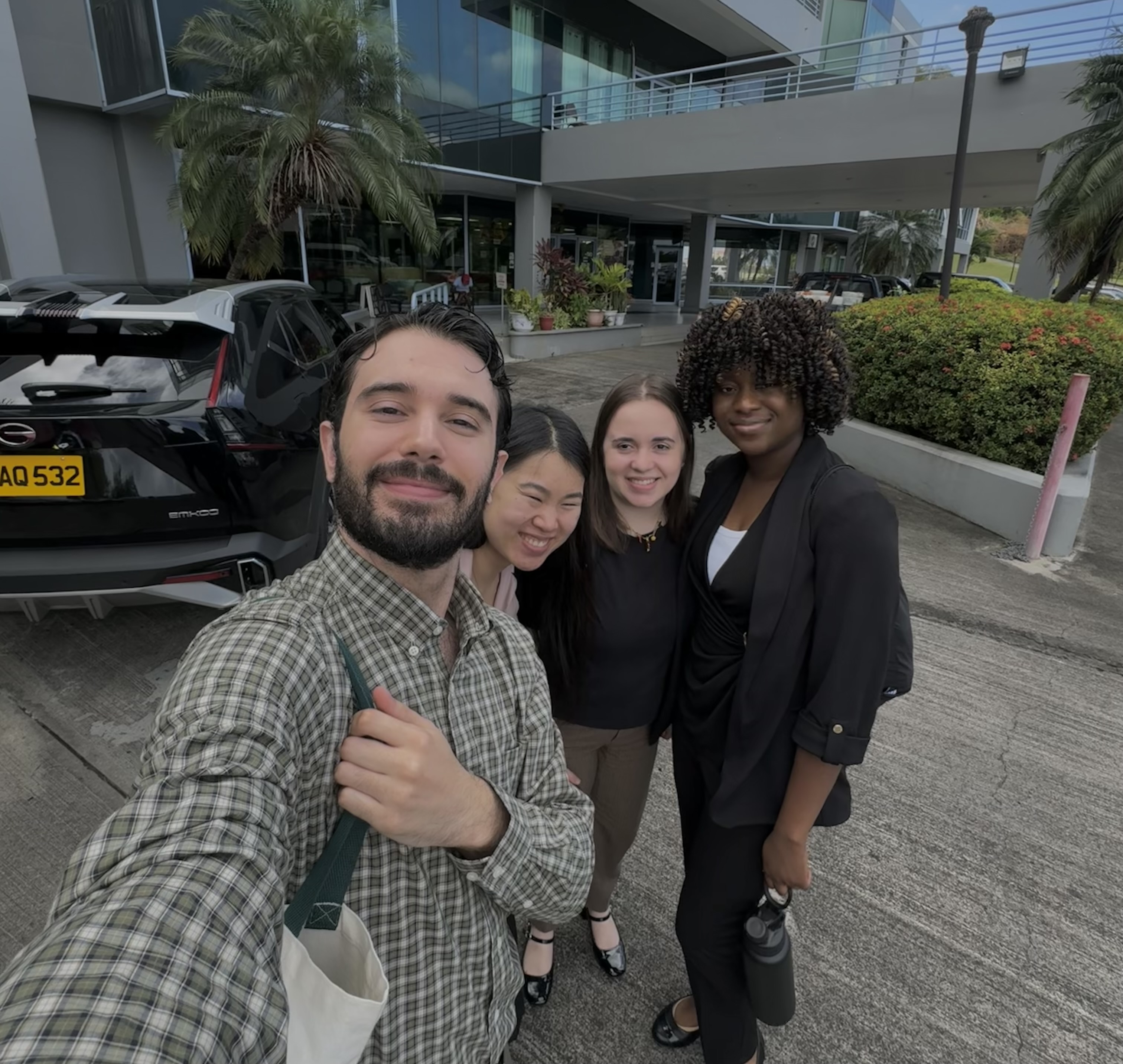
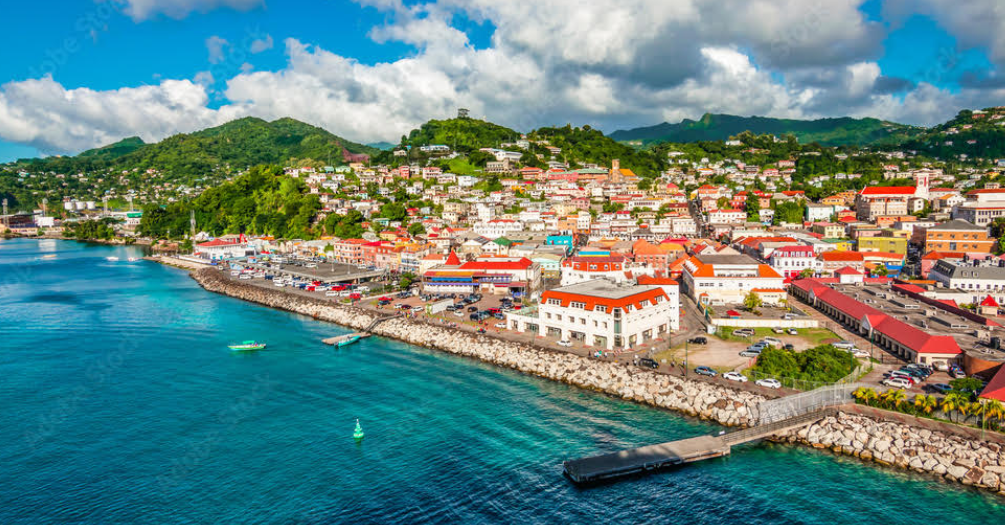
After spending 7 days on the beautiful Spice Island of Grenada, my world has broadened. With this being my second study abroad experience (condensed into a week!), I have learned more than the last. Through this project, I had the privilege of working with the Grenada Red Cross Society (GRCS) on Phase I of an initiative aimed at developing a sustainable fundraising framework to offset day-to-day personnel and programming costs for the organization. Throughout the week, myself and my group members conducted 103 community surveys and 4 key informant interviews, with the aim of understanding perspectives on giving practices and digital fundraising potential for the GRCS while assessing the current digital fundraising landscape.
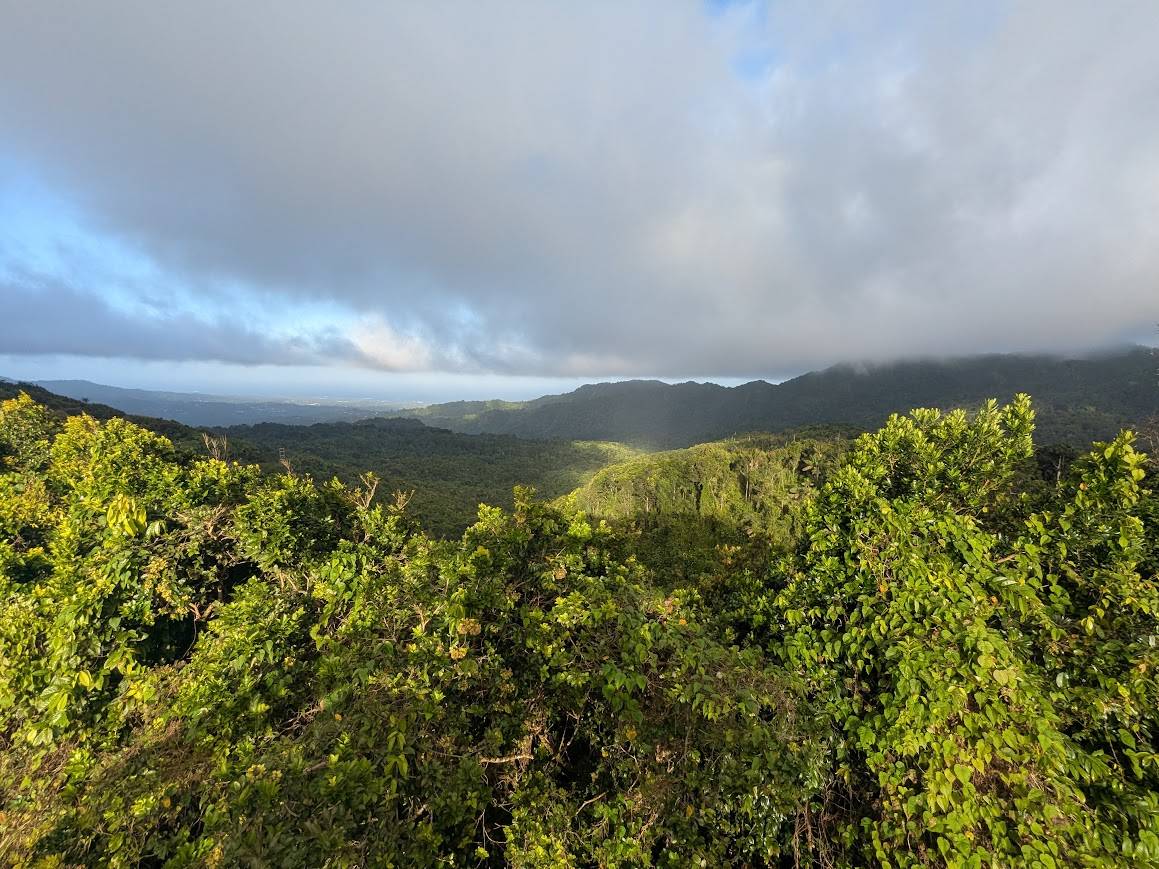
Although I could blog about the unforgettable times experiencing the island's nature, or how welcoming the Grenadian community was to our class, I want to speak to the personal development this experience brought up within me. When you are deployed to a country for the first time and are tasked with understanding and evaluating a project within the context of that country, and must present your findings, themes, and recommendations by the end of the week - things move FAST!
Here are the top 3 things I learned from this fast paced, collaborative week of global public health work:
- Decision making is imperative: When there is a time constraint on deliverables, you must make a decision and stick to it. In public health, we are intentional, and we spend time weighing the pros and cons of each decision, and rightfully so! But, when the stakes are higher, there is also a need for decisiveness. You must move forward in one direction, and deal with the consequences, both good and bad. The value in this: the ability to learn to trust your own innate ability to realign, reassess, and pivot. Resilience!
- Do your homework prior to deployment!: With limited time on island, most of the project skipped past general foundation establishment and instead focused on conducting research. It is important to spend MORE than an adequate amount of time understanding your host country’s context, people, and history as best you can before arrival. It is not only in an effort to respect and be responsible to your own time, it is about respecting the people you are going to be working with and extracting information from. Meet them further than halfway.
- Trust your training, while constantly questioning it: As public health workers from the United States, we are educated and trained in a way that we must value, but also question. We must acknowledge our positionality as outsiders to global communities, understanding that our job is not to impose but to listen, and facilitate dialogue between community members. Give yourself a chance to understand the value in ‘nontraditional’ expertise, and be open to learning from those with much of it.
After referencing my own Blog Post prior to deployment, these themes ring very true
to the mindset I entered onto the island with. I am grateful for my brief week in
Grenada, and am extremely inspired by the work that was done in just that short period.
I cannot wait to be back to continue Phase I of the project starting in April 2026.