The Strength of Community

Maysa Redissi
1st Year MPH Health Behavior, Health Equity Student
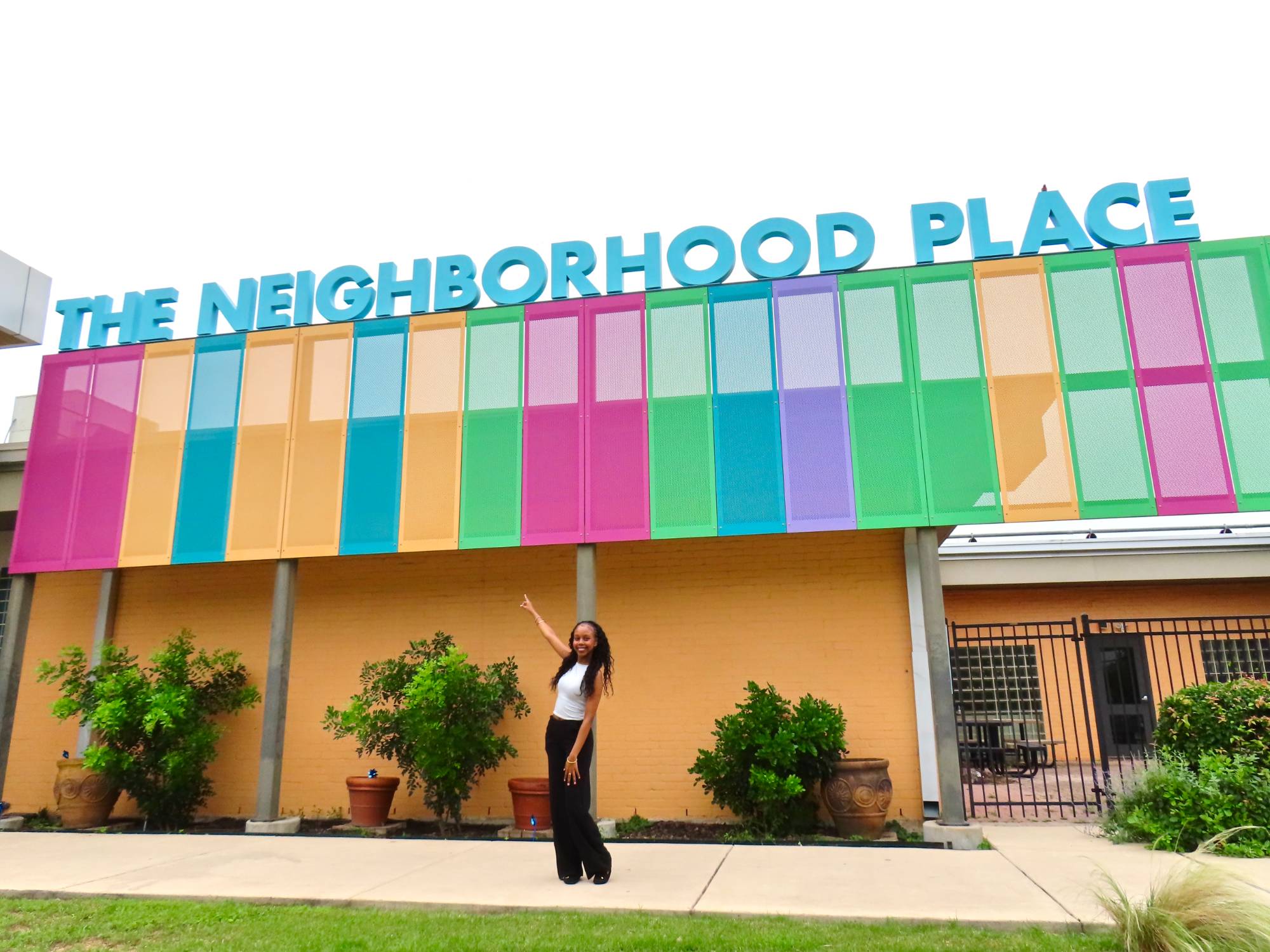
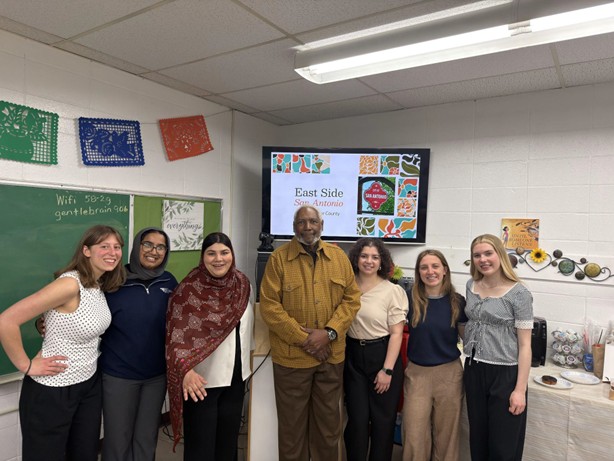
Working with PHAST, AHEC, Ella Austin, and the greater San Antonio Community was an opportunity that I am beyond grateful for. Going into this experience, I was nervous because it was unlike anything I had done before. On-the-ground work in a city and state I had never been to, and working with a population with which I had minimal experience, was a tall, intimidating order. Despite my initial nerves, upon landing in San Antonio, I was immediately met by a kind, strong community of individuals who work together to support one another.
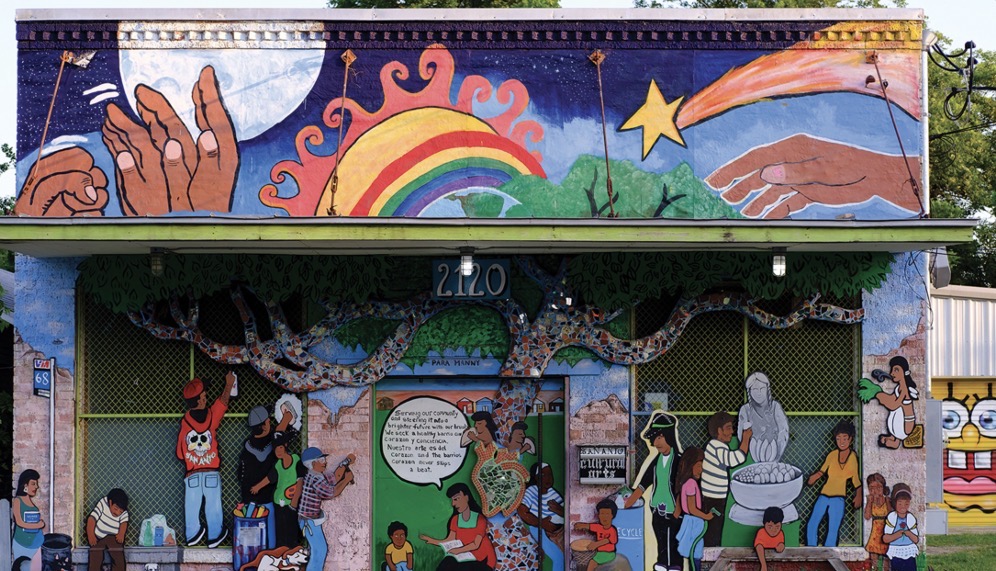
Coming into this project, I was interested in observing the current structures and connections within the community that impact the health outcomes of our priority population of older adults on the East Side of San Antonio. My initial thoughts were that, since San Antonio is a large urban space, perhaps the community is disconnected from one another. I was proven wrong once I witnessed the strong bonds people hold in their community, whether that was through the church community or neighborhood community centers. What was most unexpected that arose from the focus group was the collective community knowledge of resources, where some claimed that the lack of resources in San Antonio isn't the problem, but the way they are shared or communicated is the real barrier. This was a major shift in my understanding of access to care, where the immediate response to disparity had always been to create more resources. But what do you do when there are a plethora of resources, but no way to disseminate that knowledge, especially to a community that has digital limitations? A common theme throughout my time in San Antonio was the barrier to transportation and knowledge. After considering these themes from the surveys and the focus group, my team worked to develop recommended solutions that were well received by the community members we spoke to. One of my favorite ideas was to compile a "master" directory of resources within San Antonio in the format of a phone book, which is a familiar and accessible way of documenting resources for our priority population. The directory would theoretically be distributed throughout the community at high-traffic touchpoints like senior centers, grocery stores, medical clinics, churches, and more. The other idea we had was to create a neighborhood relief unit, which we called the "Barrio Bus". The bus would be a resource that operates as a mobile clinic, food and supplies pantry, prescription delivery, and mobile library. This way, all of these resources would be centralized and brought directly to the community.
I am really proud of my group's work on this project. Our collective creativity, flexibility, and attention to the needs of the community were especially important throughout our time in San Antonio. As a first-year master's student going on this deployment, I was still struggling to find my "niche" in public health. I knew I wanted to work on the group with community members, but I didn't know what that looked like or what kind of work I could do. This experience showed me that, regardless of the topic or theme of the project, I want to listen to the needs of the community and work together to develop solutions. I am looking forward to how I can translate the experience and knowledge I have gained from this opportunity into both my public health career and as a member of my community.