From Observation to Partnership

Johnny Hepinstall
2nd Year MPH Health Behavior, Health Equity Student
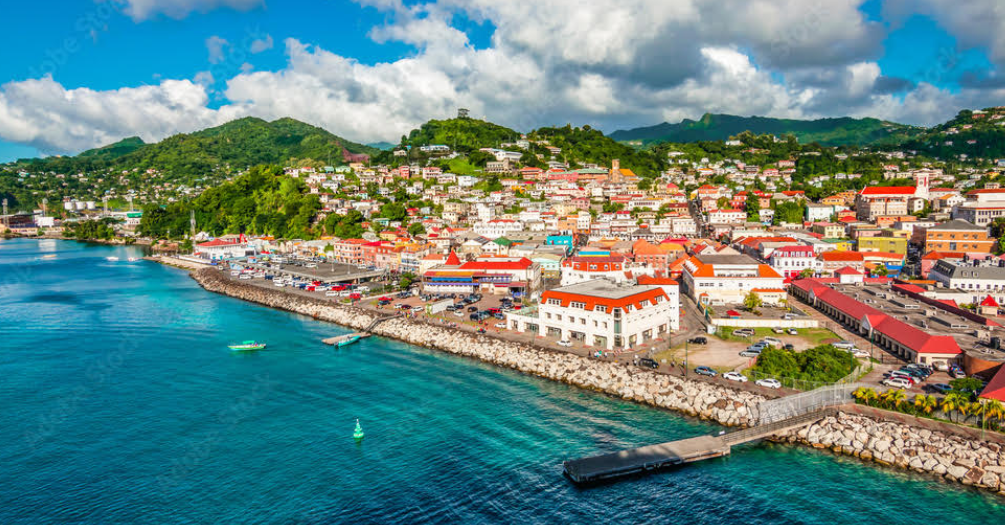
It has been a little over a week since returning from Grenada, and I am still processing the experience, especially ahead of finalizing our products and considering our work successful. What initially felt like a short academic trip has stayed with me in deeper ways than I expected. Working alongside the Ministry of Social and Community Development, Housing, and Gender Affairs (MOSD) offered a window into how disability inclusion takes shape within a specific cultural, political, and resource context. It reminded me that meaningful public health work is never just about policies or programs—it’s about relationships, trust, and teamwork.
One of the most significant insights I gained was how differently disability can be understood across cultures. In Grenada, conversations about disability inclusion were deeply connected to community values, family structures, and the realities of island infrastructure. Accessibility challenges are not just technical issues; they intersect with transportation systems, geography, economic limitations, and public awareness. This reinforced the importance of thinking about disability inclusion as a cross-sector effort that involves many ministries and community organizations—not just social development, but transportation, education, housing, and health.
Another important takeaway was the power of communication. Many of the most meaningful moments occurred during conversations with ministry staff and community stakeholders. These discussions revealed both the progress Grenada has already made and the structural barriers that remain. What stood out to me most was the commitment many individuals expressed toward advancing disability inclusion, even when resources are limited. The experience reminded me that policy change, and the actions in response to policy change, often begin with people who care deeply about the issue and are willing to collaborate across sectors.
Of course, the experience also came with challenges. Working on a team with people you don’t really know and who have different ideas about how to tackle different tasks can prove to be difficult, especially considering we were working on an island we have never been to and within a culture we were only familiar with on paper. Working like this requires constant awareness of assumptions and communication styles. At times, it required slowing down and reframing questions to ensure we were not projecting our own frameworks onto local realities. As students, we also had to balance the desire to produce useful recommendations with the understanding that sustainable change must be locally driven. Navigating that balance—between contributing ideas and respecting existing expertise—was one of the most valuable lessons of the trip.
Now that I’m back in the United States, these reflections are shaping how I approach the final phase of our project as well as the progress of my career/future plans. Rather than focusing solely on what we think should happen, our goal is to ensure that the final products reflect what we heard during the experience—emphasizing collaboration, feasibility, and alignment with Grenada’s institutional landscape. The experience reinforced that effective public health recommendations must be grounded in the voices and priorities of the communities they are meant to serve.
Ultimately, this trip reminded me that global public health is not about exporting solutions. It is about partnership, humility, and learning. Moving forward, I hope to carry these lessons into both my academic work and my future career—approaching every community with curiosity, respect, and a commitment to listening first.