Bridging Research and Community: Public Health Fieldwork in Grenada
Chetna Kumari
2nd Year MPH Epidemiology Student
My field experience in Grenada offered an opportunity to step beyond the classroom and engage directly with communities and organizations working to strengthen public health systems. During this experience, I worked with the Grenada Red Cross Society (GRCS) to explore ways the organization could strengthen its digital fundraising capacity and long-term sustainability. Through field research, community engagement, and collaboration with local stakeholders, I gained valuable insights into how public health work unfolds in real-world settings.
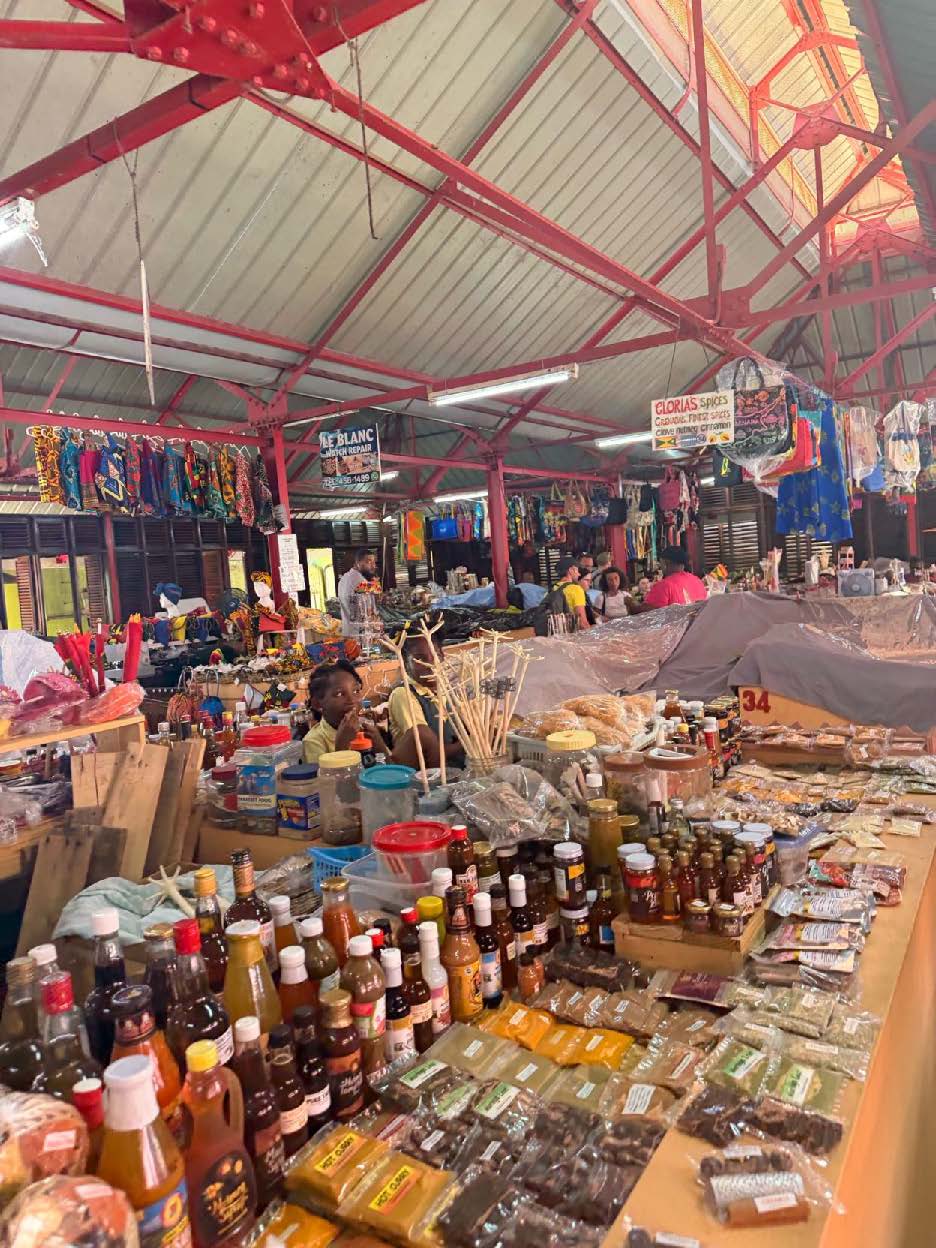
One of the most impactful aspects of this experience was learning about the culture and community dynamics in Grenada. The island’s strong sense of community and emphasis on relationships became clear through conversations with residents, community leaders, and nonprofit stakeholders. Before traveling to Grenada, much of my understanding of global health came from academic literature and case studies. Being immersed in the local environment helped me realize how cultural context shapes the way organizations interact with communities and implement programs. Trust and personal relationships play a significant role in how initiatives are received, and these factors are essential for successful collaboration.
During our time in Grenada, we conducted extensive field research to better understand the landscape in which the Grenada Red Cross operates. We helped design community surveys and key informant interview guides to gather perspectives from both residents and organizational stakeholders. In the field, we administered 102 community surveys and conducted four key informant interviews with leaders from government, nonprofit, and community organizations. Participating in the full research process from instrument design to data collection deepened my understanding of applied research methods. As someone who frequently works with large datasets as a data analyst, this experience allowed me to engage directly with participants and better understand the context behind the data we collect.
Our work aimed to support the Grenada Red Cross Society in identifying opportunities to build a scalable digital fundraising strategy. To do this, we assessed the organization’s legal, financial, and digital infrastructure while also gathering insights from community members about digital readiness and engagement. After synthesizing our findings, we developed strategic recommendations and presented preliminary insights to Grenadian ministerial leadership and Red Cross stakeholders. Knowing that our work could contribute to future planning for a nationally recognized humanitarian organization made the experience particularly meaningful.
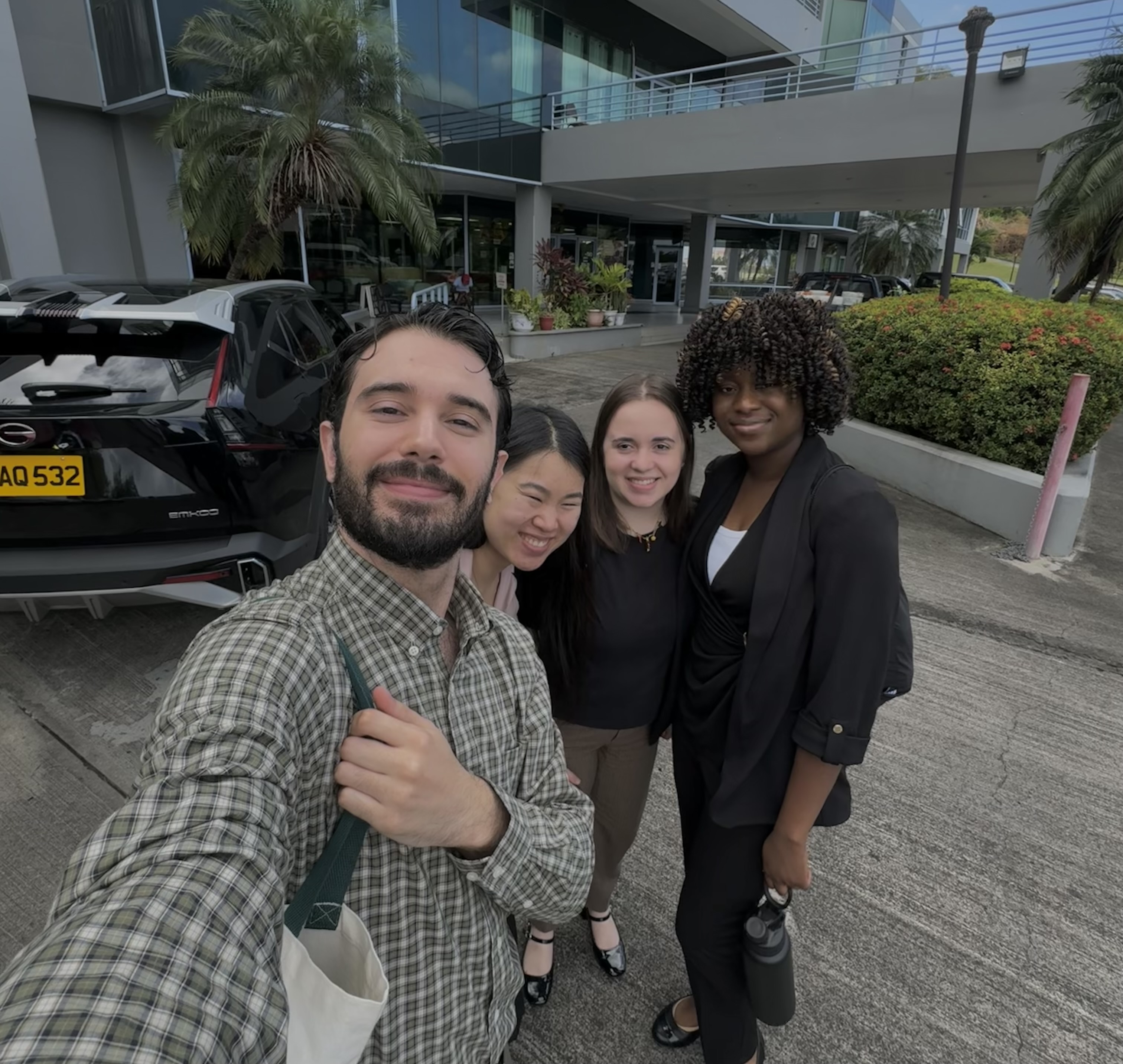
Collaboration played an important role throughout the experience. Working alongside peers with different public health backgrounds allowed us to approach challenges from multiple perspectives. Coordinating field activities, conducting interviews, and analyzing findings required strong teamwork and clear communication. Engaging with community members and organizational leaders also reinforced the importance of listening carefully and building trust when conducting public health research.
Fieldwork rarely unfolds exactly as planned, and our time in Grenada required flexibility and adaptability. Coordinating interviews with busy stakeholders, adjusting research schedules, and navigating logistical challenges required our team to remain organized while adapting to new circumstances. These experiences taught me the importance of remaining calm, open-minded, and solution-oriented when working in unfamiliar environments.
Being in Grenada broadened my understanding of how public health initiatives operate within different cultural, economic, and policy contexts. It highlighted the interconnected nature of global health and the importance of collaboration between governments, nonprofit organizations, and communities. Seeing firsthand how organizations like the Grenada Red Cross Society operate within local systems helped me better appreciate the complexity of implementing programs that are both sustainable and culturally appropriate.
Beyond academic learning, this experience also encouraged personal growth. Traveling to a new country and conducting field research in an unfamiliar environment pushed me outside of my comfort zone and strengthened my confidence as a public health professional. I also became more aware of my strengths in research design, communication, and collaborative problem solving while recognizing the importance of remaining adaptable and open to learning in new environments.
The lessons I gained from this experience will continue to influence my academic and professional journey. As I move forward in my MPH program and future career in epidemiology, I hope to integrate the community-centered approach I observed in Grenada into my work. This experience reinforced the importance of combining data-driven research with meaningful community engagement. Grenada was not just a place where I had the opportunity to conduct field work, but it was a place where I saw public health come to life through collaboration, culture, and community partnerships.