I’ll be back, Grenada: Reflections from a Week of Advancing Human Rights, Learning Kindness, and So Much Chocolate
Nikita Rohila
1st Year MPH Health Management and Policy Student
I’m Nikita Rohila, a first-year Master of Public Health student studying Health Management and Policy. In this blog post, I reflect on my recent trip to Grenada as a member of the Public Health Action and Support Team (PHAST). I am one of three interns who will be returning to Grenada this summer to implement Phase II of the project.
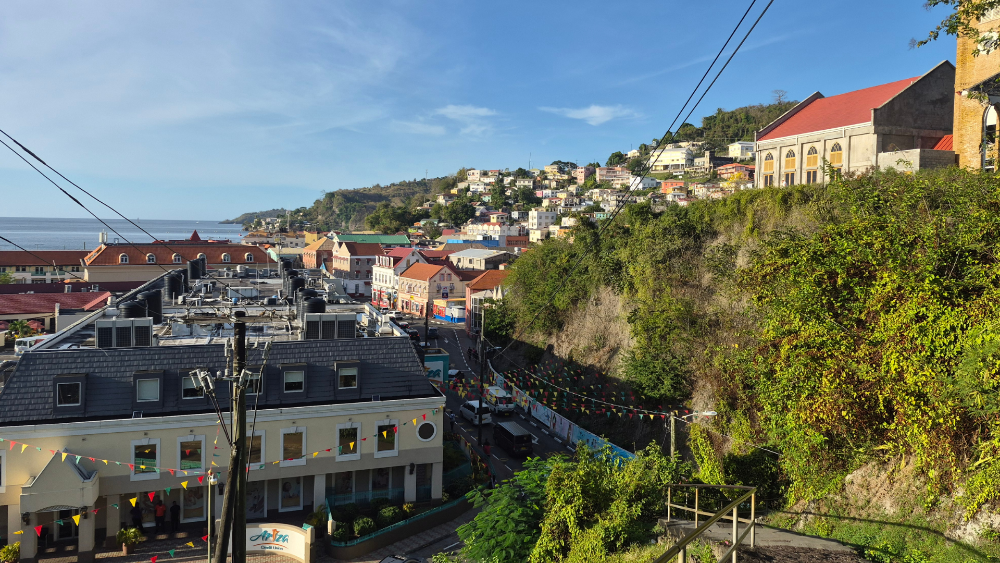
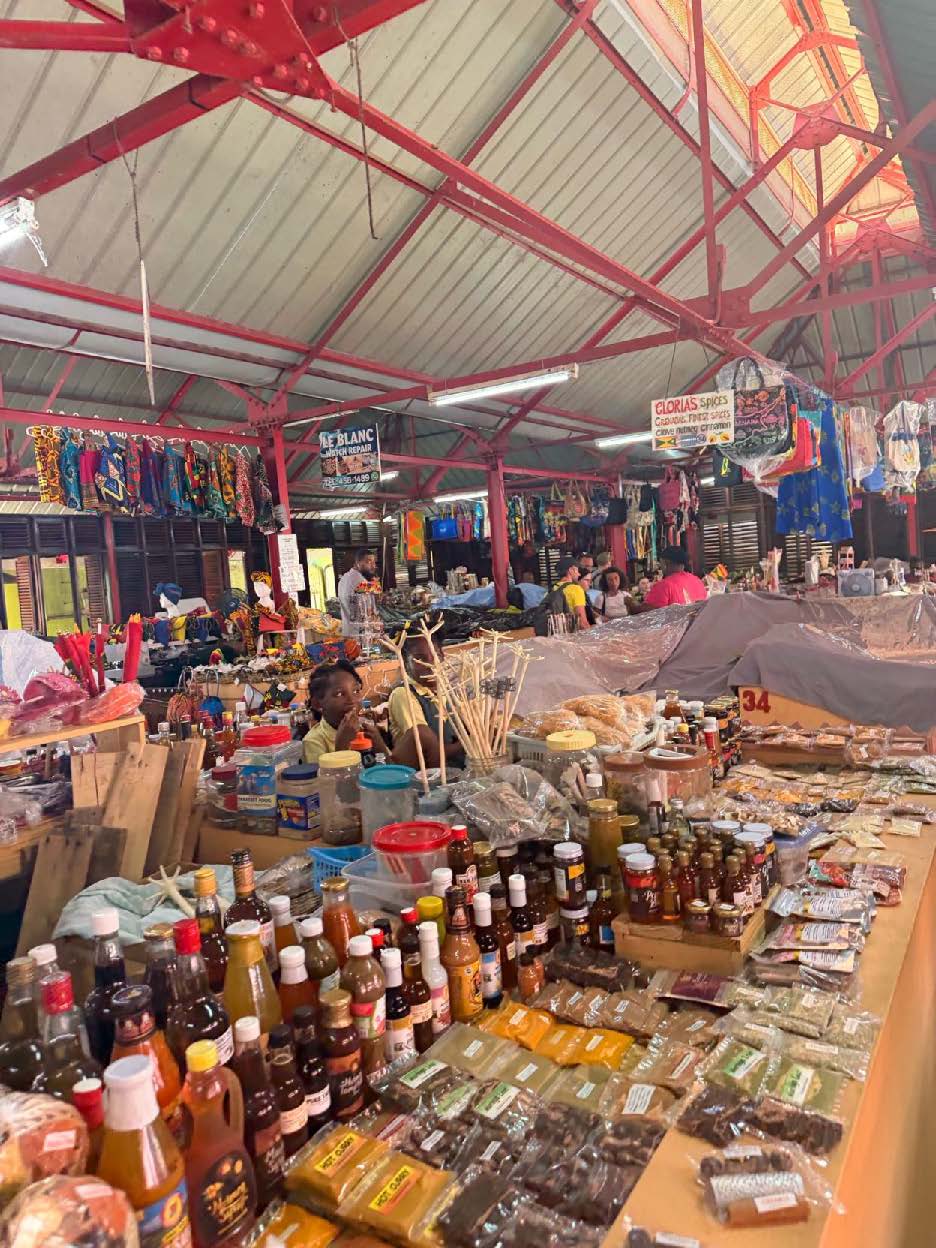
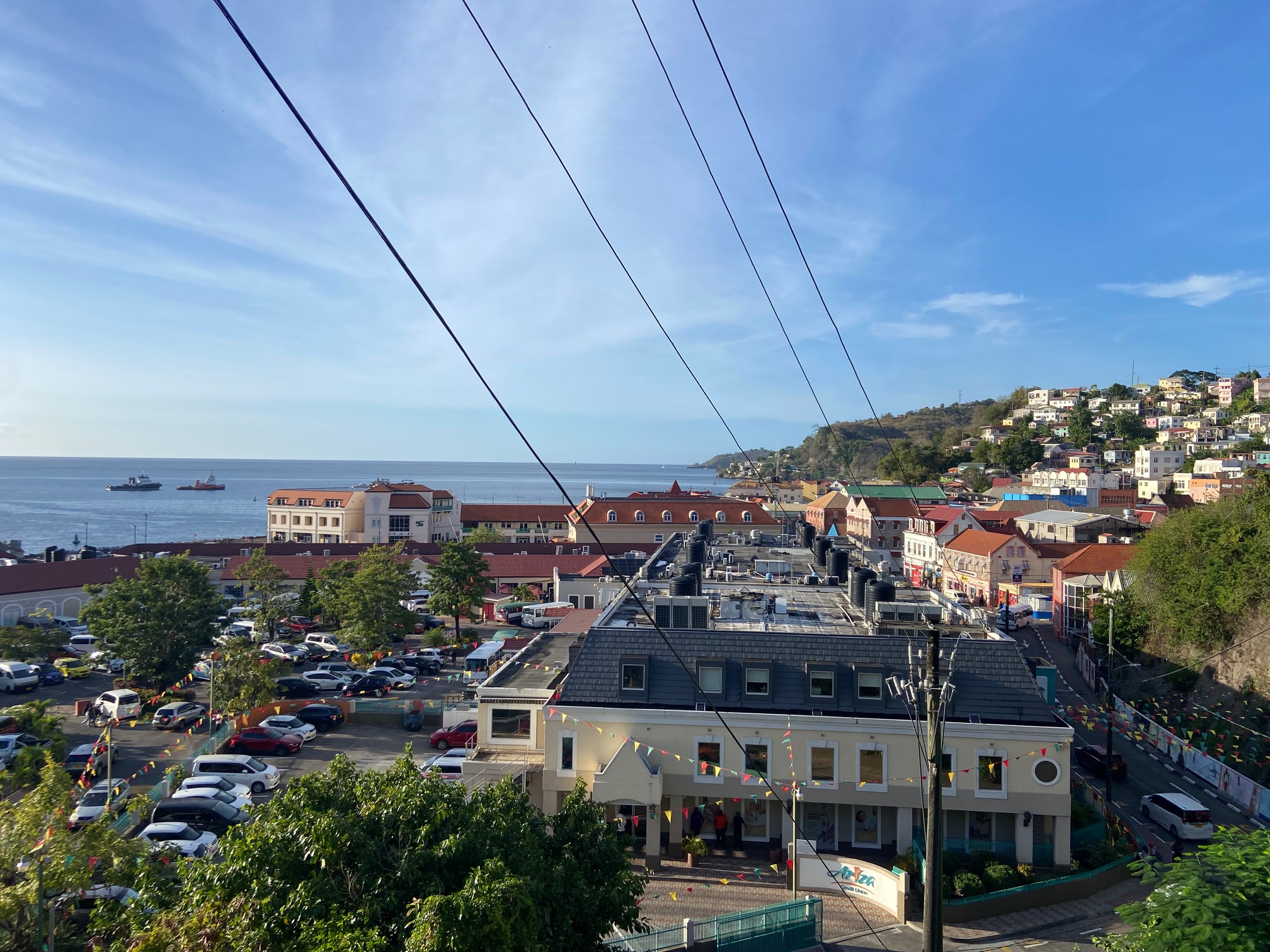
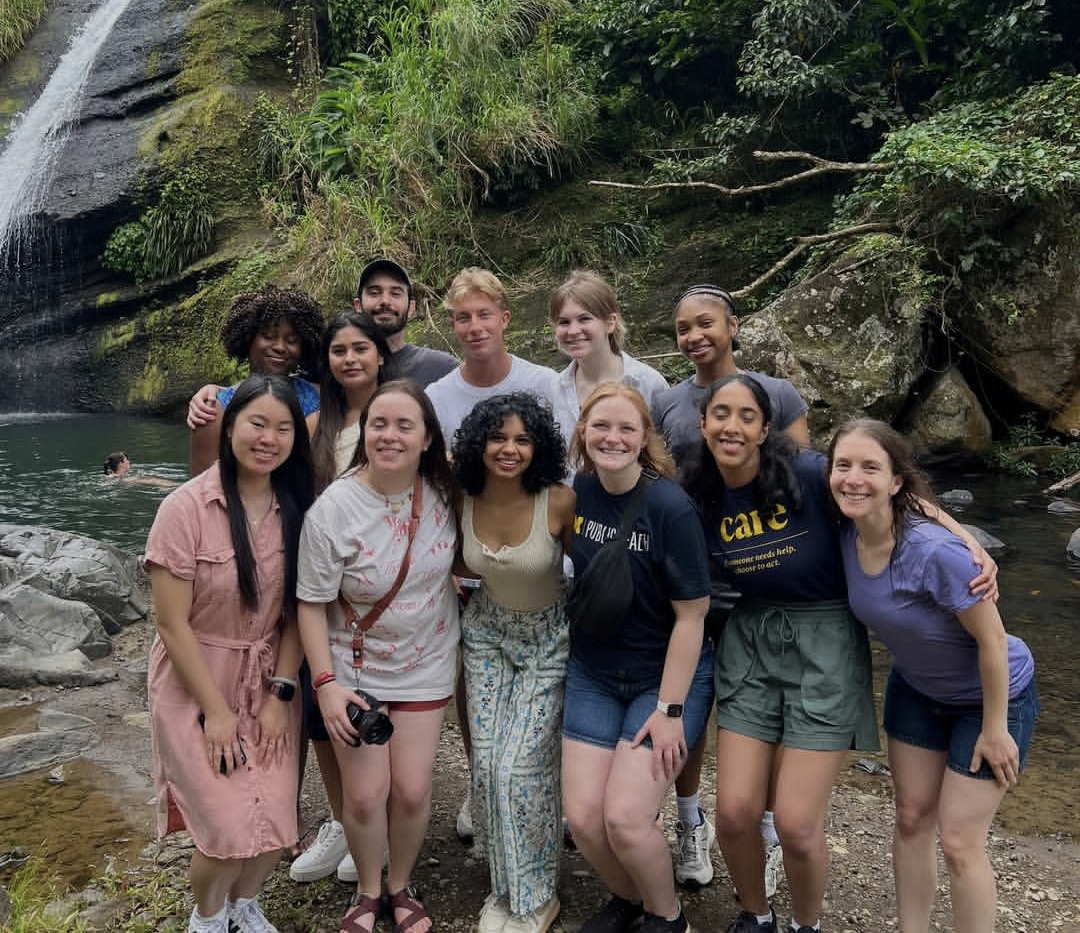
It feels surreal that I was in Grenada just a few short weeks ago learning how chocolate is made, surrounded by all the spices, soaking in beach sunsets, and exploring waterfalls while surrounded by flourishing greenery. During the week, I somehow found myself at the St. George’s Spice Market several days of the trip to chat with Ms. Margaret and I definitely developed a better music taste.
I am grateful to the Ministry of Social and Community Development, Housing, and Gender Affairs for inviting my team and I to collaborate on a project aimed at translating disability inclusion policy into practice in Grenada. Over the course of a week, we conducted surveys and key informant interviews with ministry staff, community organizations, and persons with disabilities in St. George’s to assess government and community readiness for the development of a multi-sectoral Disability Task Force. We received the honor to present our findings to the Minister, Permanent Secretary, Ministry staff, and key community stakeholders.
When we first began this project in January and conducted literature reviews and analysis of the draft disability policy, which we received the opportunity to review, there was only so much that we were limited to in our research and developing recommendations when at a distance. It was all very informative, but I truly felt the trajectory of our project shift once we were on the ground in Grenada, seeing how the infrastructure and terrain made it difficult to navigate with disabilities and listening to the stories of persons with disabilities and community members that help with caregiving. It is vulnerable to share your stories and struggles, and I am grateful the community was very open to discussing their experiences with us. For example, a community member shared, ““...it's like they deserve a reward because they've done their charitable deed…so [helping persons with disabilities is] seen more as a charitable deed that's worthy of commendation and not as a way of society is supposed to be. Because that's just how it should be.”
In addition to discussing the challenges, we heard so many stories of strength, resilience, and love. These moments made me deepen my realization of the importance of storytelling in research and making sure human connection and collaboration are central aspects of this process. A community organization leader shared with us, “…the truth is, no one organization can generally tackle and handle the challenges of any sector…No, not one. No one organization… I believe in the power of collaboration.” One of the most impactful takeaways from Grenada was witnessing all the kindness present within the community and the genuine want for people to help each other out, even when they get nothing in return. Everyone we interviewed with and interacted with welcomed us with open arms. I even started recognizing some members of the community in other spaces while exploring the island.
Adaptability and Overcoming Challenges
Of course, any global health work comes with its challenges. One of the biggest challenges that our group faced was an internal one; we were aware of our place as foreigners coming in, and in proposing recommendations we wanted to make sure our proposal would be well-received by the community. To do this, we made sure it was very informed by community engagement and ministry consultation, and we spent a lot of time discussing the sustainability and feasibility of the plan for its continuation when we leave. Having a clear implementation guide and backup plans helped us overcome this challenge. The biggest benefit of this sustainability plan is that I am coming back to implement the proposed recommendation of developing the multi-sectoral disability task force and will help set up the groundwork for the first few projects for the team. Additionally, having flexibility is a critical skill in global projects. We had to navigate some uncertainties in interviews and adapt and move forward without full information. There will always be some unknowns, especially given our site visit was only for a week.
A moment of goosebumps
It was an honor to present everything we learned and share the community’s voices with the Minister and Ministry leadership, as well as our university’s School of Public Health Dean. At the end of our presentation, Ms. Hillary Gabriel of the Grenada National Council of the Disabled spoke in strong support of our proposal and shared that she will work hard on her end to make sure our recommendations move forward. At that moment, I felt goosebumps. It was a very powerful moment for my group and I to see how a community leader who engaged in an interview for our project took the time to show up, listen to our ideas, and support our recommendations. It is very important for our group that persons with disabilities and organizations they are a part of were centralized in this project and this moment really spoke to that.
During closing reflections, one of the things my preceptor said stood out to me: sometimes take the voice of a foreigner for action to get done in government systems because the community’s voice becomes background noise. This made me reflect on my place of privilege to be able to have a voice that can be heard, especially as someone who does not have a disability. I want my Master’s training in global health policy, as well as my strong passion for fighting for human rights, to be a helpful tool for Grenadians with disabilities to work on reaching equity and living lives with dignity, peace, and love. Everyone we met in the disability community was very appreciative of our project and work in the community, and I am excited to integrate myself further within the community this summer.
Thank you, thank you!
I am so grateful to my teammates, Sophie, Del, and Johnny, who all worked with me around the clock since January on this project. I will be fully honest when I say we worked so hard and I am very proud of how much we accomplished so much within the one week we were on the ground. I truly could not have done this without them, and us coming from different backgrounds strengthened the intersectionality of our project. From staying up late to complete data analyses to exploring the island together, I shared so many great moments with my team. I am also very thankful to the entire PH 616 cohort. After long workdays, we came together to debrief and help each other solve any problems that we were facing. I made so many new friendships on this trip that I cherish.
Finally, I want to acknowledge all my advisors on this trip both on the ministry side, Ms. Jicinta Alexis, Mr. Nazim Gay, and Mr. Richardson Anderson, and on the university side, Dr. Sadé Mulkey, Ms. Kiran Szekeres, Dr. Laura Power, and Dr. Rohan Jeremiah. All of them worked closely with us throughout the semester and their support was fundamental to the success of this project.
Looking forward
I feel so honored to be going back to Grenada this summer and begin the implementation phase of our project. Working within a ministry is an amazing experience because I have access to both individual level and system-level reach. Even just within the one week we were there, the community had a significant impact on me on both a personal and professional level, so I cannot even imagine what a changed woman I will be upon my return!