
2026 Biostatistics Admitted Student Weekend Faculty Meetings
You are invited to meet with many of the Michigan Biostatistics faculty members as part of your visit during Admitted Student Weekend! We hope you will use this time between 10:00 a.m. and 1:00 p.m. to get to know our faculty members and learn about their research.
Meetings will be 30 minutes long and take place in faculty offices the School of Public Health (1415 Washington Heights, Ann Arbor, MI 48109), and can be scheduled by clicking the links for each faculty member listed below.
Lunch will be available at no cost from 11:00 a.m. to 1:00 p.m. in the School of Public Health Building I.
Note: Many faculty members will be occupied from 11:00am to 12:00pm, to participate in a presentation by a candidate for Dean of the School of Public Health seeking the open position. Lunch will be available starting at 11:00am, at which time several Biostatistics students will be hosting small-group conversations.
Veera Baladandayuthapani

Friday, March 20
12:00 PM - 1:00 PM
Veera Baladandayuthapani is the Jeremy M.G. Taylor Professor and Chair of the Department of Biostatistics. Baladandayuthapani's research interests include high-dimensional data modeling, Bayesian inference, and machine learning, with applications in genomics, epigenomics, transcriptomics, and neuro- and cancer imaging. His work focuses on developing Bayesian graphical models, functional data analysis, and integrative frameworks to analyze complex biomedical datasets. A key emphasis of his research is leveraging probabilistic models to enhance biomarker discovery and clinical prediction, contributing to advancements in precision and translational medicine. Learn More
Michael Boehnke

Friday, March 20
10:00 AM - 11:00 AM
12:00 PM - 1:00 PM
Michael Boehnke is the Richard G. Cornell Distinguished University Professor of Biostatistics at the University of Michigan. Boehnke’s research focuses on the study design and statistical analysis of human genetic data, with particular emphasis on developing methods for human gene mapping. His work investigates the genetic basis of complex diseases and traits using genome sequencing and genotype-array data, and he has played a leading role in large international studies of type 2 diabetes and related traits. Through methodological development and collaborative research, his work has helped advance understanding of how genetic variation contributes to human health and disease. Learn More
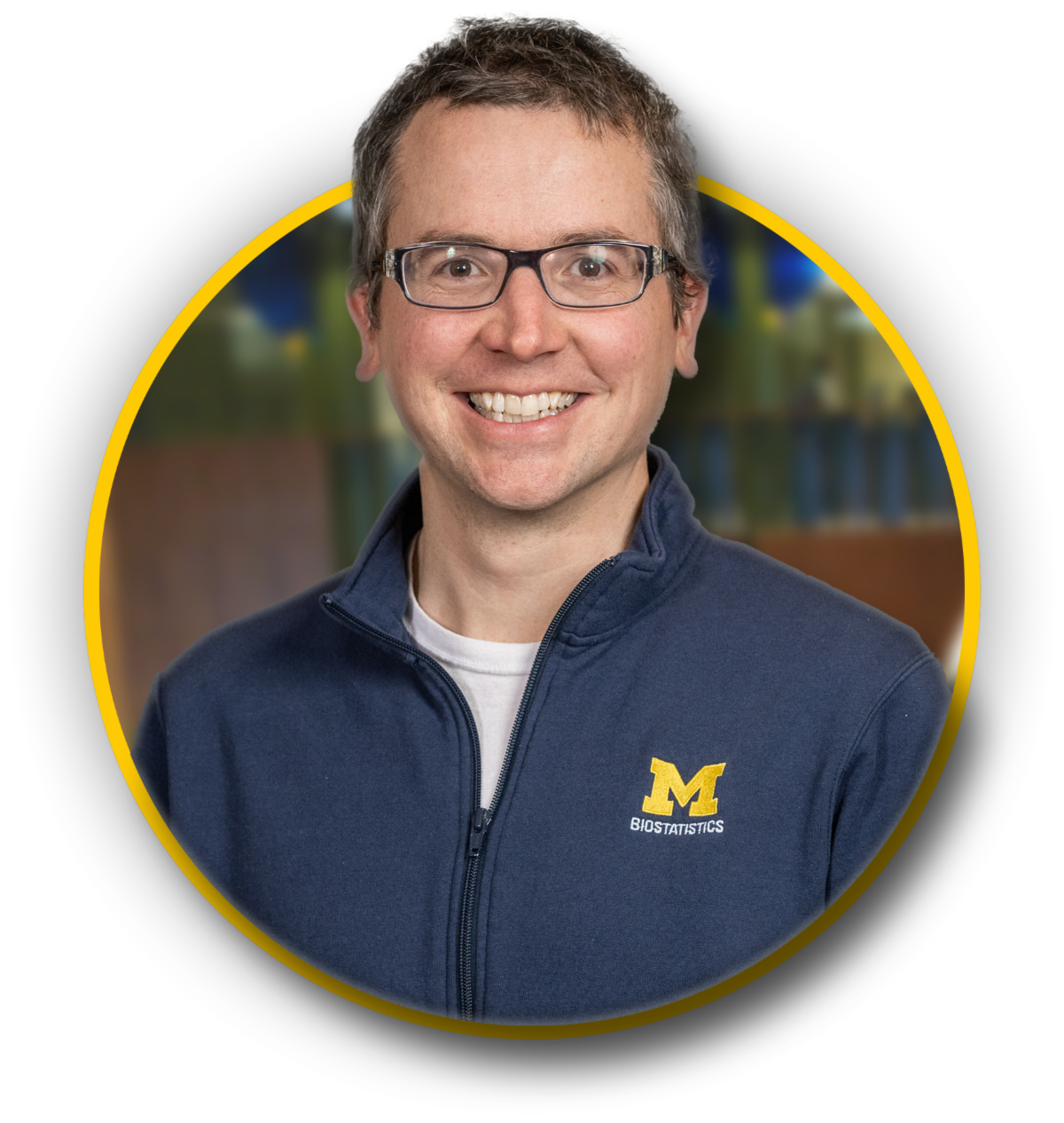
Phil Boonstra
Friday, March 20
10:00 AM - 11:00 AM
12:00 PM - 12:30 PM
Phil Boonstra is an Associate Professor in the Department of Biostatistics. Boonstra's research interests include Bayesian methodologies, early-phase oncology trial design, and data and model integration. His work focuses on evaluating the effectiveness of extracorporeal membrane oxygenation (ECMO) for severe COVID-19 patients, developing statistical methods for integrating heterogeneous prediction models, and designing seamless oncology trials to assess both the safety and efficacy of new cancer treatments within a single protocol. Through his research and teaching, he aims to advance statistical science in ways that directly improve public health and quality of life. Learn More
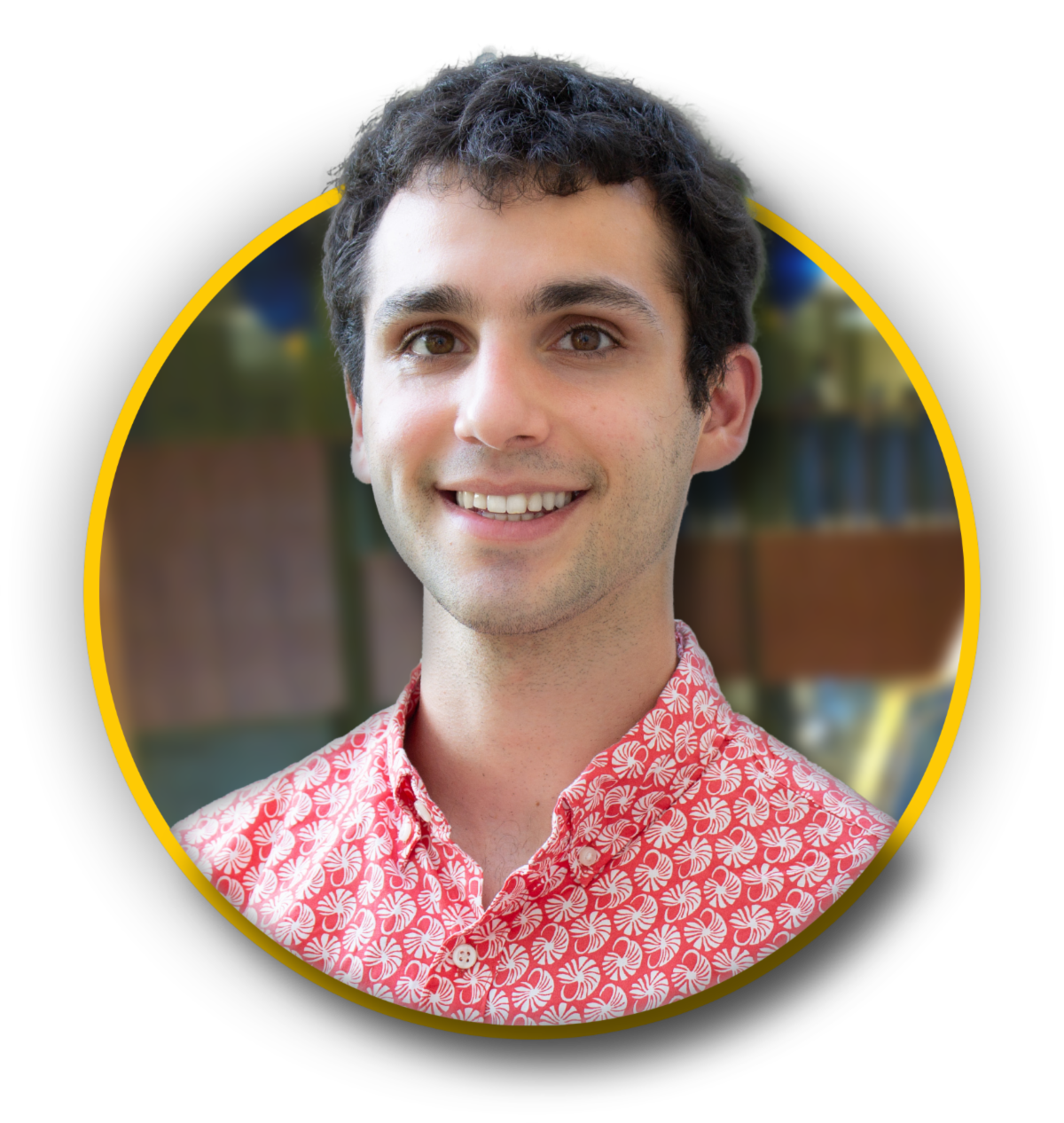
Dylan Cable
Friday, March 20
10:00 AM - 1:00 PM
Dylan Cable is an Assistant Professor in the Department of Biostatistics. Cable's research interests include statistical methods for genomics, probabilistic modeling, and machine learning, with a focus on emerging high-throughput genomics technologies such as spatial transcriptomics and single-cell RNA sequencing. His work develops rigorous statistical approaches for analyzing complex genomic data, with applications in understanding human health, disease mechanisms, and integration with clinical and drug discovery settings. Learn More
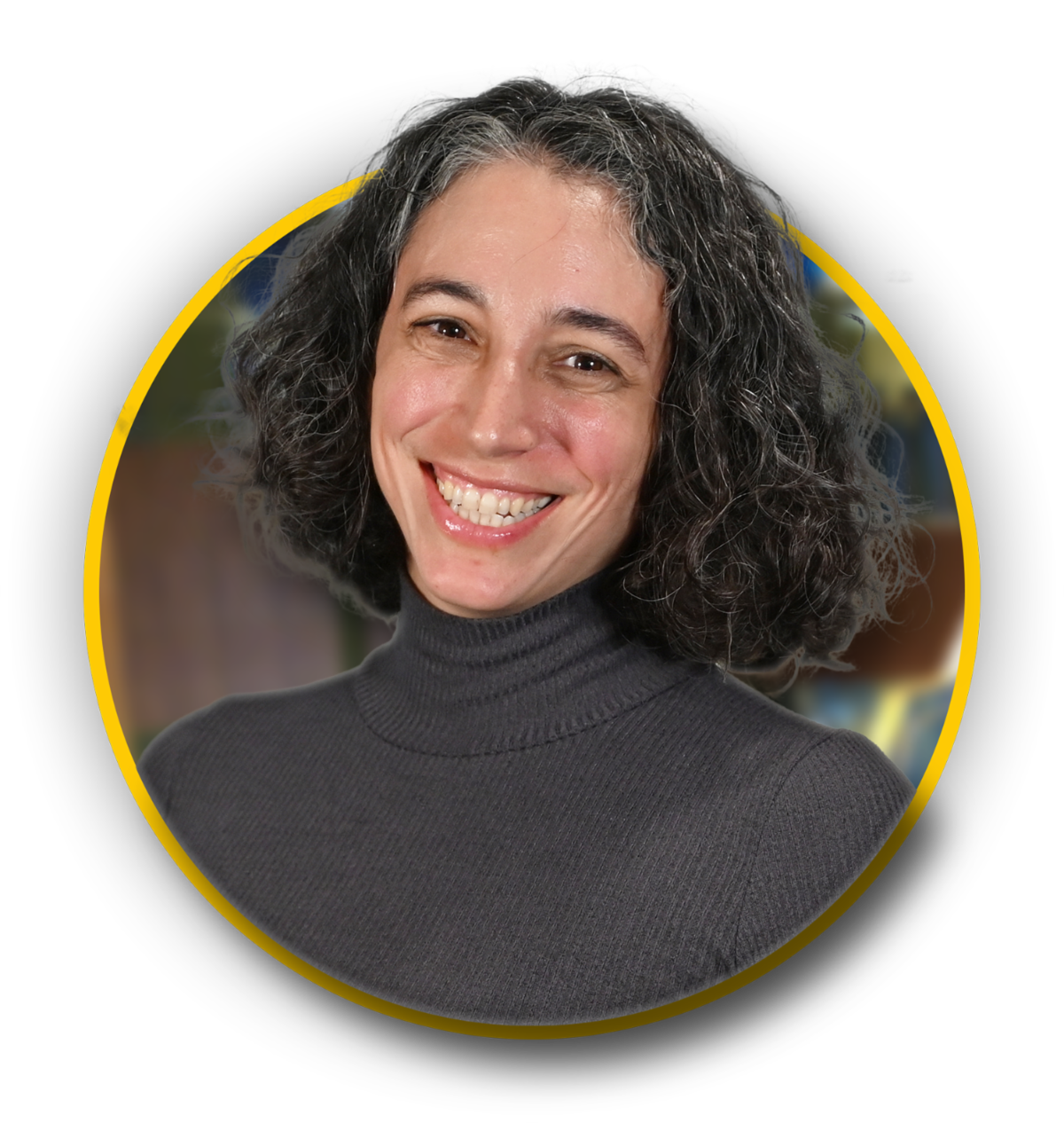
Erin Craig
Friday, March 20
12:0 PM - 12:30 PM
Erin Craig is an Assistant Professor in the Department of Biostatistics at the University of Michigan School of Public Health. Craig’s research focuses on developing statistical methods for biomedical data with an emphasis on predictive modeling and interpretability. Her work aims to improve healthcare by creating statistical and machine learning tools that help researchers better understand complex health data. She is also committed to developing well-documented, user-friendly software and teaching statistical methods that make advanced data analysis more accessible to biomedical scientists. Learn More
Mike Elliott

Friday, March 20
10:00 AM - 11:00 AM
12:00 PM - 1:00 PM
Michael Elliott is a Professor in the Department of Biostatistics at the University of Michigan School of Public Health and a Research Professor at the Institute for Social Research. Elliott’s research focuses on statistical methods for addressing missing data, including the design and analysis of sample surveys, causal and counterfactual inference, and latent variable models. His work develops statistical approaches for improving the analysis of complex survey and observational data, and he collaborates with researchers in areas such as injury research, pediatrics, women’s health, and the social determinants of physical and mental health. Learn More
Irina Gaynanova

Friday, March 20
10:00 AM - 11:00 AM
12:00 PM - 12:30 PM
Irina Gaynanova is an Associate Professor in the Department of Biostatistics. Gaynanova's research interests include developing statistical methods for high-dimensional data analysis, data integration, and machine learning. Her work focuses on addressing challenges in multi-omics research, microbiome studies, and wearable device data, utilizing techniques such as sparsity regularization, multivariate analysis, and computational statistics to enhance biomedical data interpretation. Learn More
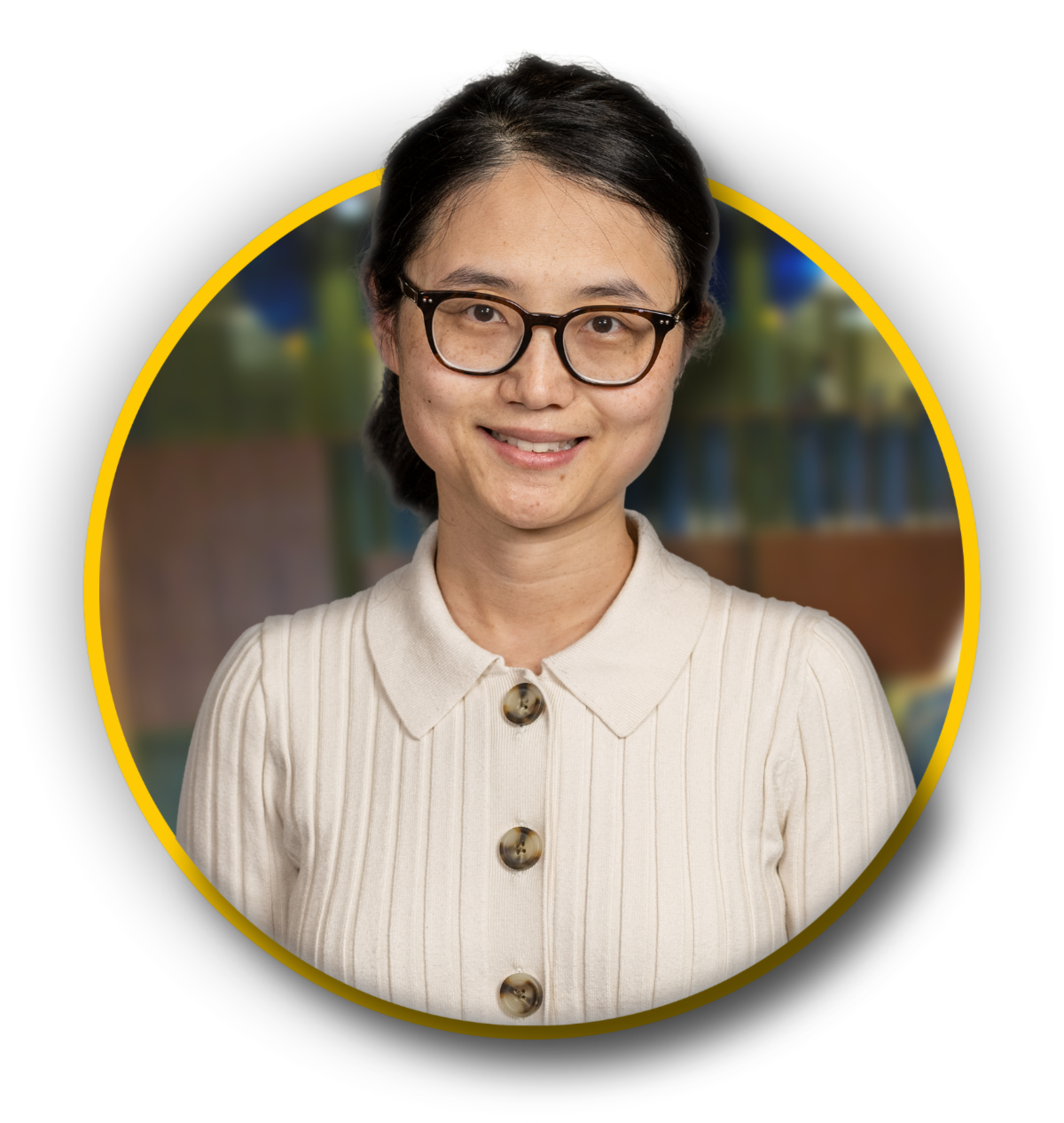
Wei Hao
Friday, March 20
11:30 AM - 1:00 PM
Wei Hao is a Research Assistant Professor in the Department of Biostatistics at the University of Michigan School of Public Health. Hao’s research focuses on developing statistical methodology for mediation analysis involving multiple and high-dimensional mediators, with applications in health-related fields such as nutrition, environmental health, and epidemiology. Her collaborative work centers on analyzing complex biomedical data to better understand health effects related to chemical mixture exposures, chronic kidney disease, and cancer. Learn More
Nicholas Hartman

Friday, March 20
10:00 AM - 11:00 AM
Nicholas Hartman is an Assistant Professor in the Department of Biostatistics. Hartman's research interests include developing statistical methods for survival analysis, clustered data analysis, and healthcare provider profiling. His work is motivated by applications in end-stage renal disease, organ transplantation, and health policy, where he collaborates with nephrologists, transplant surgeons, and policymakers to improve healthcare equity and access to kidney transplantation. Learn More
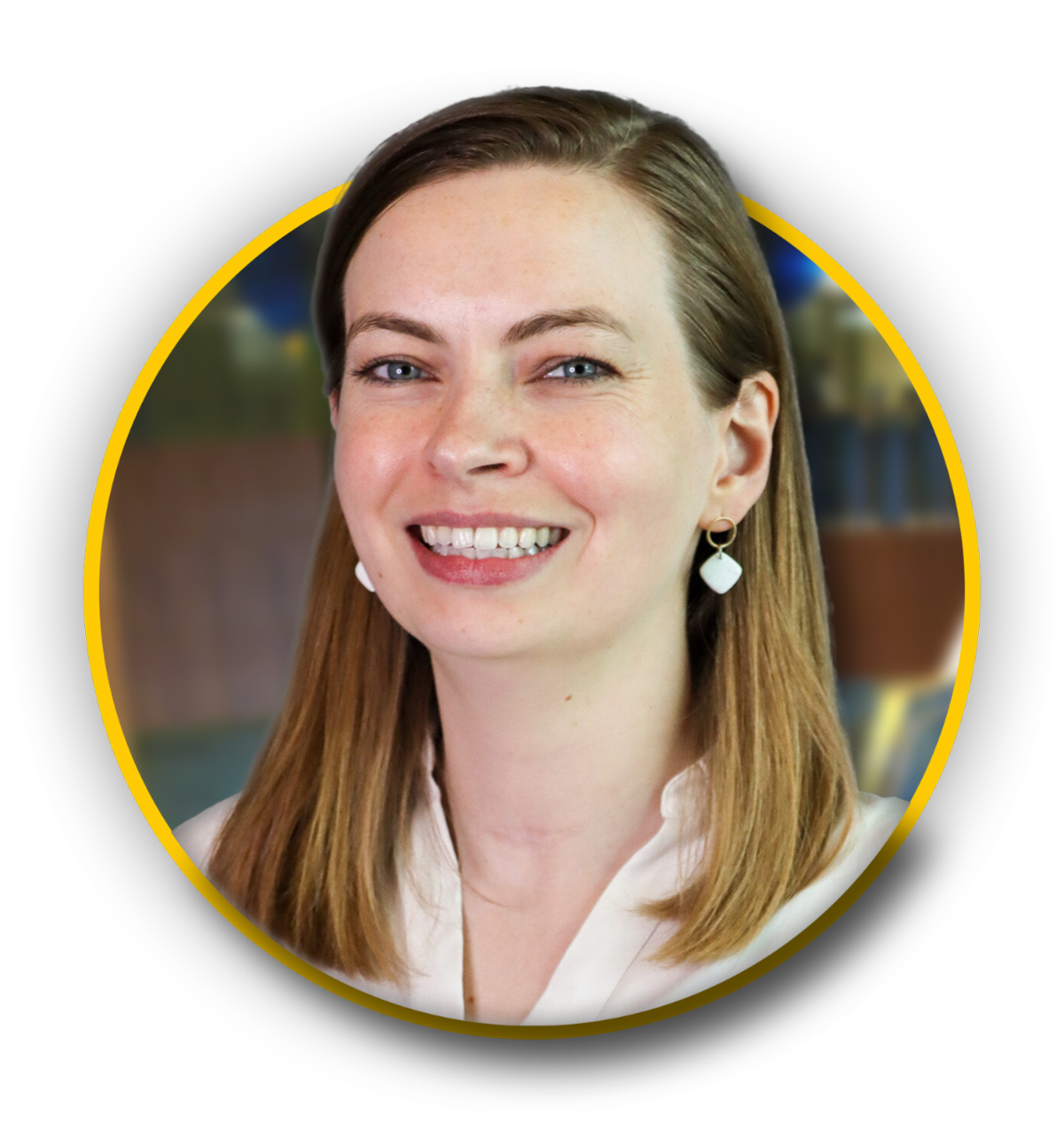
Emily Hector
Friday, March 20
10:00 AM - 11:00 AM
Emily Hector is an Associate Professor in the Department of Biostatistics at the University of Michigan School of Public Health. Hector’s research focuses on developing statistical methods for integrating complex and heterogeneous biomedical data, particularly high-dimensional datasets that arise in modern biological and health studies. Her work emphasizes data integration, computational statistics, and modeling approaches that combine information across multiple data sources to better understand biological processes and disease mechanisms. Through methodological development and collaborative research, she aims to improve how large and complex health datasets are analyzed and interpreted. Learn More
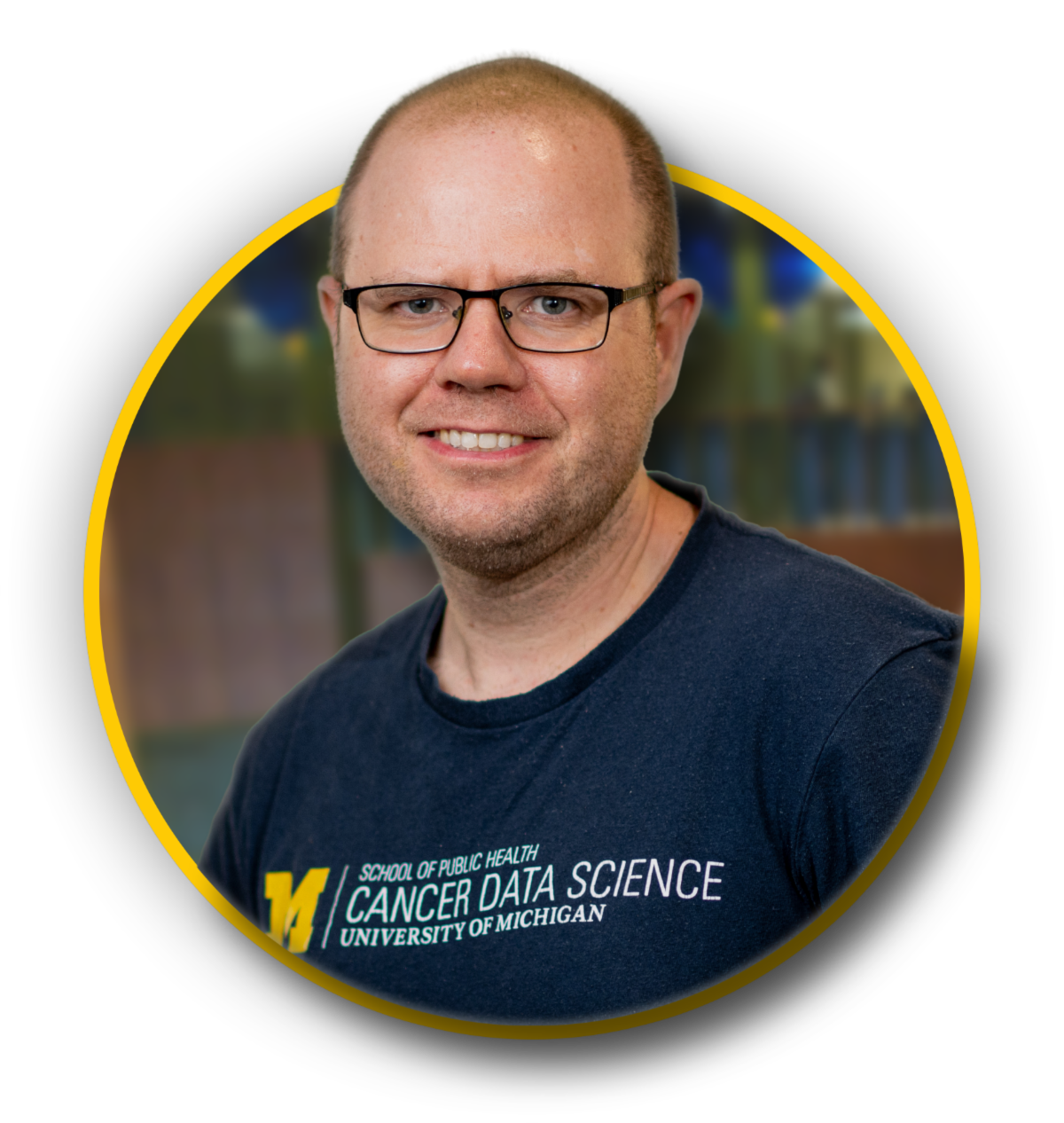
Nicholas Henderson
Friday, March 20
10:00 AM - 11:00 AM
12:00 PM - 1:00 PM
Nicholas Henderson is an Assistant Professor in the Department of Biostatistics at the University of Michigan School of Public Health. Henderson’s research focuses on hierarchical modeling, Bayesian nonparametric methods, and computational statistics. His work develops flexible statistical approaches for analyzing complex biomedical data, with particular emphasis on understanding treatment effect heterogeneity and supporting precision medicine. Through methodological development and collaboration with biomedical researchers, he aims to improve statistical tools used to study survival outcomes and integrate diverse health data sources. Learn More
Tim Johnson

Friday, March 20
10:00 AM - 1:00 PM
Tim Johnson is a Professor in the Department of Biostatistics. Johnson’s research focuses on statistical modeling of biomedical data, emphasizing Bayesian and MCMC methodology for challenging settings such as mixture models, highly correlated high-dimensional data, and variable parameter spaces. His work includes statistical image analysis and spatial point processes, with applications across medical imaging and biomedical research areas including neuroscience, cancer, radiology, radiation oncology, psychology/psychiatry, and endocrinology.. Learn More
Jian Kang

Friday, March 20
10:00 AM - 11:00 AM
12:00 PM - 1:00 PM
Jian Kang is a Professor and Associate Chair for Research in the Department of Biostatistics. Kang's research interests include imaging data analysis, Bayesian methods, and statistical learning, with applications in precision medicine, genetics, and epidemiology. His work focuses on developing scalable statistical methods for analyzing large-scale biomedical data, including brain-computer interfaces, network inference, and ultrahigh-dimensional feature selection. He applies these approaches to integrate and interpret complex multi-modal data, advancing biomarker discovery and precision health strategies. Learn More
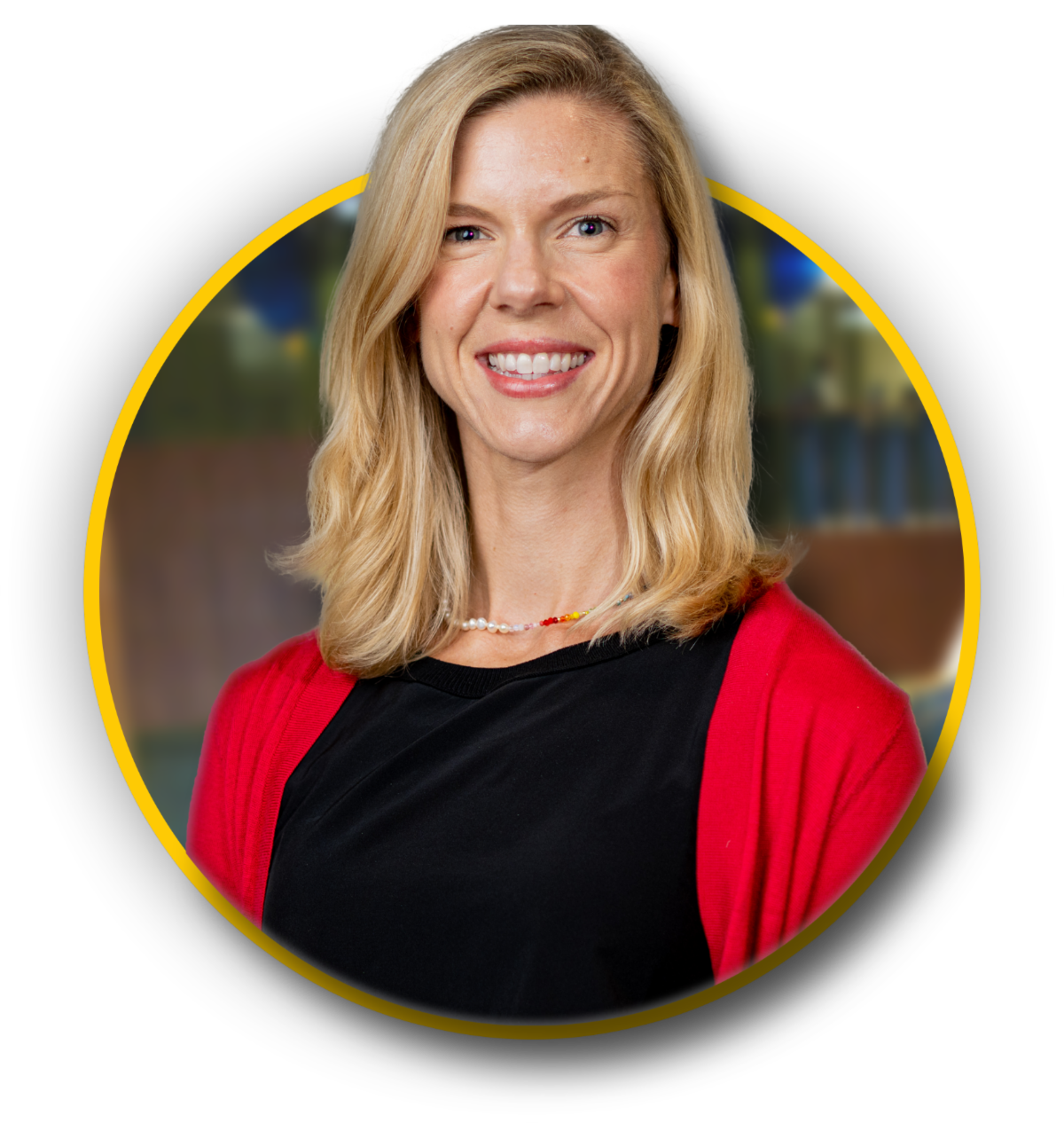
Kelley Kidwell
Friday, March 20
12:00 PM - 1:00 PM
Kelley Kidwell is a Professor in the Department of Biostatistics at the University of Michigan School of Public Health. Kidwell’s research focuses on the design and analysis of clinical trials, with an emphasis on developing statistical methods that better reflect how treatments are adapted over time in clinical practice. Her methodological work has focused on sequential, multiple assignment, randomized trials (SMARTs), which support the development of personalized and adaptive treatment strategies. She collaborates with investigators across the university on studies addressing public health challenges including mental health, chronic pain, substance use, and cancer, with the goal of improving clinical research and patient outcomes. Learn More
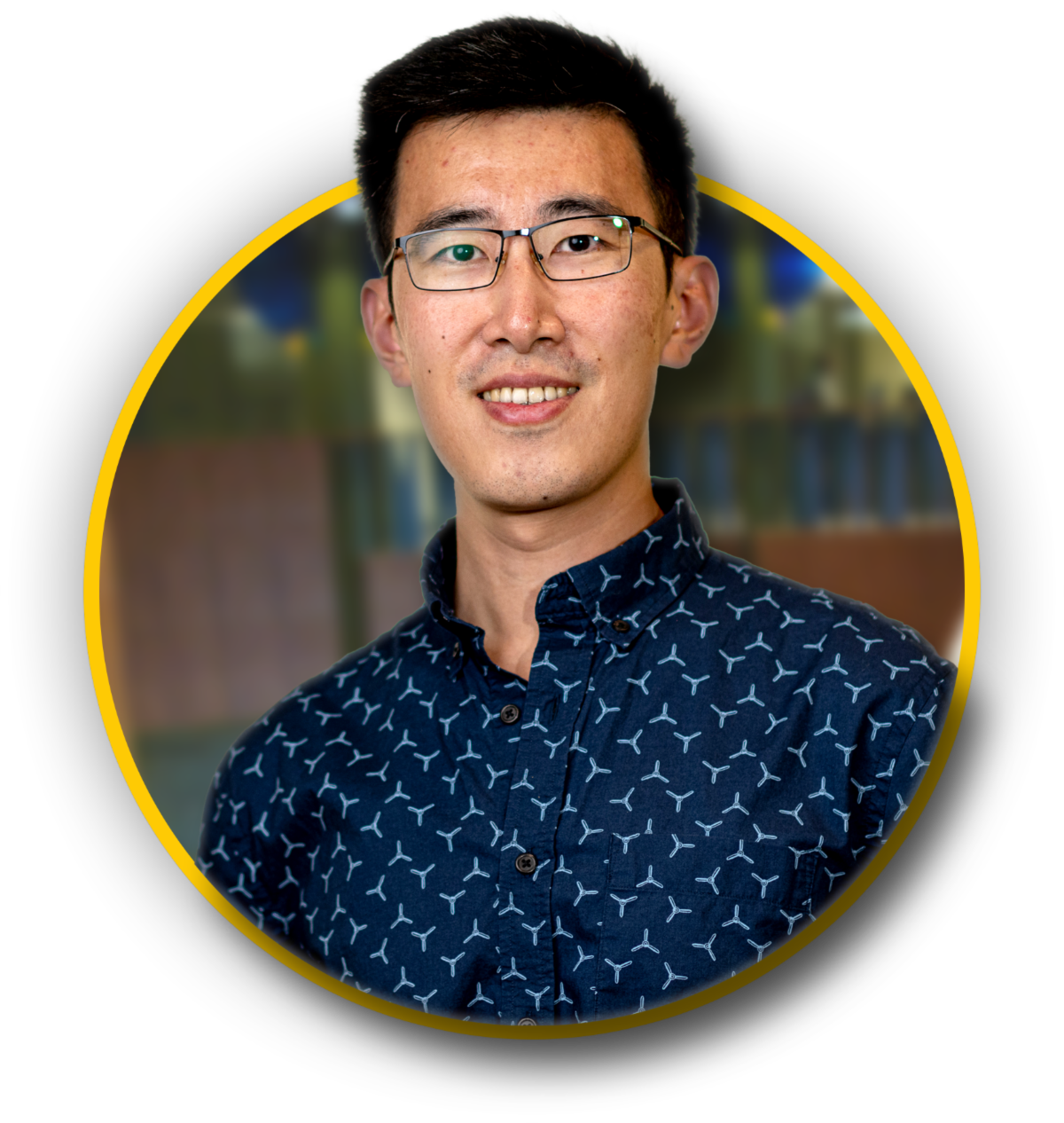
Gen Li
Friday, March 20
10:00 AM - 11:00 AM
12:00 PM - 1:00 PM
Gen Li is an Associate Professor in the Department of Biostatistics. Li's research interests include developing statistical methods for high-dimensional, multi-way, and multi-view biomedical data, with applications in genomics, microbiome, and multi-omics studies. His work focuses on dimension reduction, predictive modeling, network analysis, and data integration to enhance the understanding of complex biological systems. He develops novel methods for differential analysis, network estimation, and association studies in longitudinal omics and microbiome research. Learn More
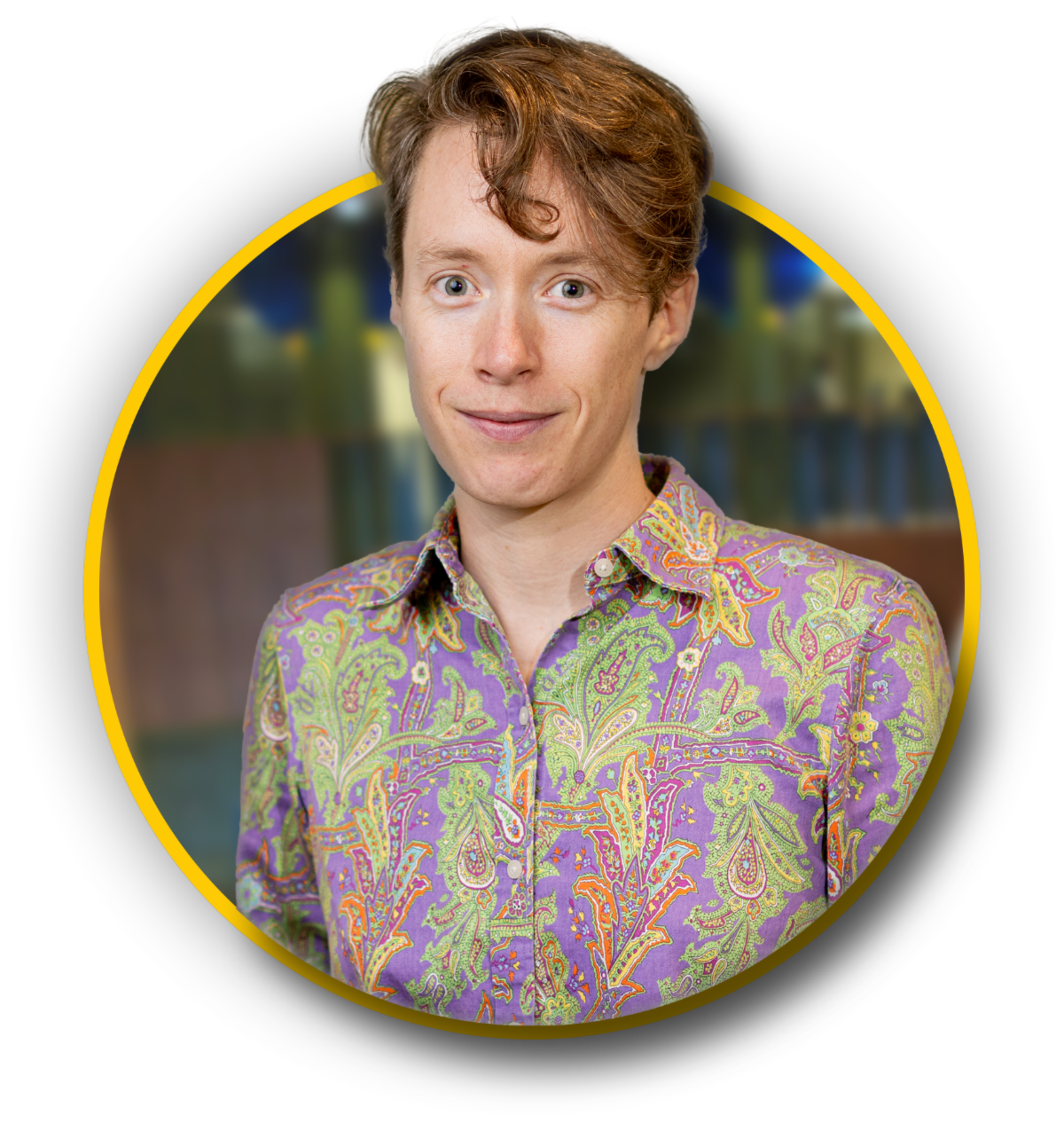
Jean Morrison
Friday, March 20
12:00 PM - 1:00 PM
Jean Morrison is John G Searle Assistant Professor in the Department of Biostatistics. Morrison's research interests include statistical genetics, high-dimensional phenotype analysis, and causal inference. Their work focuses on developing methods for analyzing structured genetic and molecular traits, such as those derived from brain imaging and proteomics, as well as improving Mendelian randomization techniques using empirical Bayes approaches. They also explore genomic applications of deep learning to enhance genetic association studies. Learn More
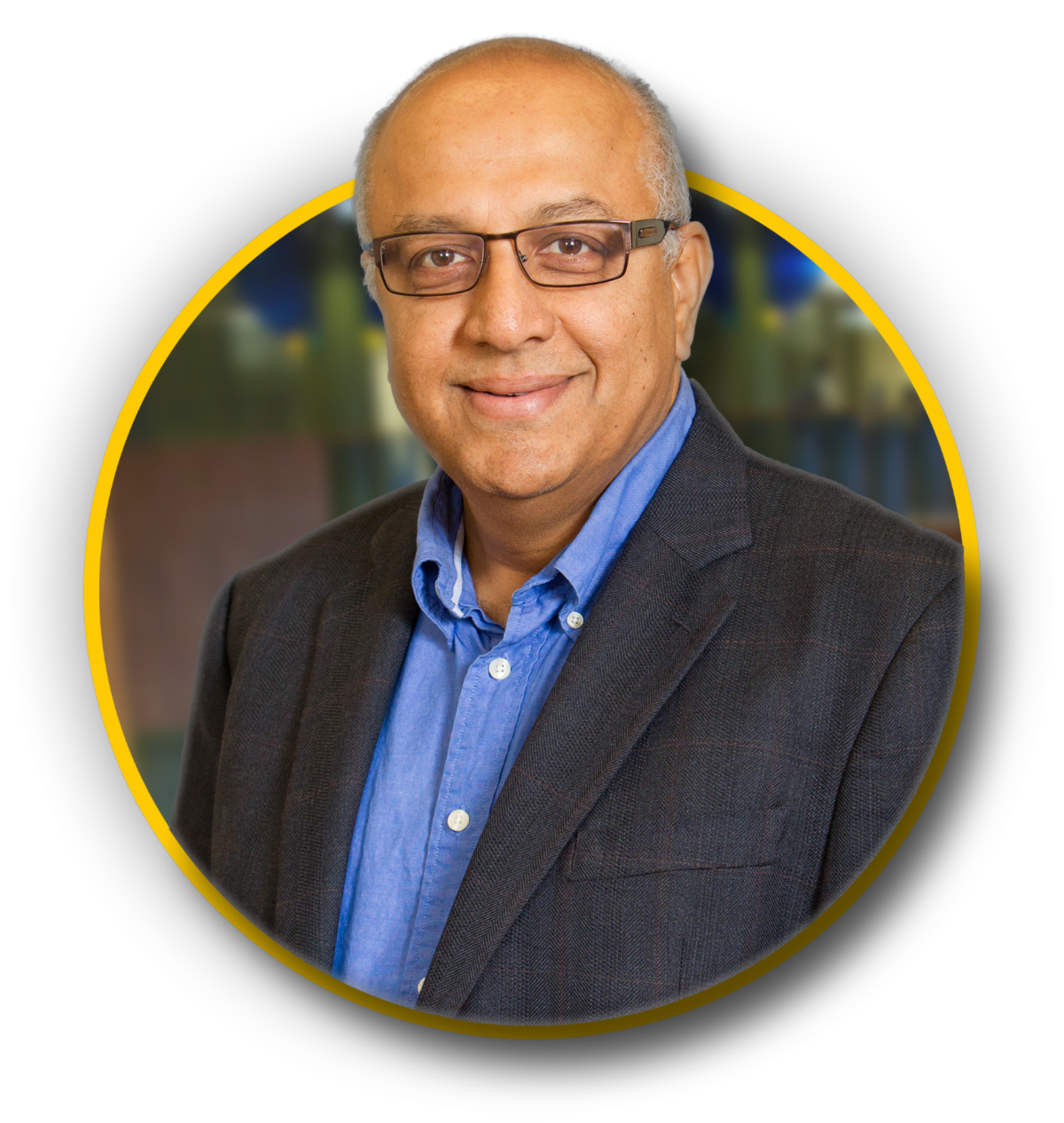
Trivellore Raghunathan
Friday, March 20
10:00 AM - 11:00 AM
12:00 PM - 1:00 PM
Trivellore Raghunathan is a Professor in the Department of Biostatistics at the University of Michigan School of Public Health and a Research Professor at the Institute for Social Research. Raghunathan’s research focuses on statistical methods for handling missing data, including multiple imputation and related approaches for complex survey and observational studies. His work develops practical statistical tools that allow researchers to draw valid inferences when data are incomplete or collected through complex sampling designs. He collaborates widely on studies in public health, social science, and health policy, with the goal of improving the quality and reliability of data used to inform research and decision-making. Learn More
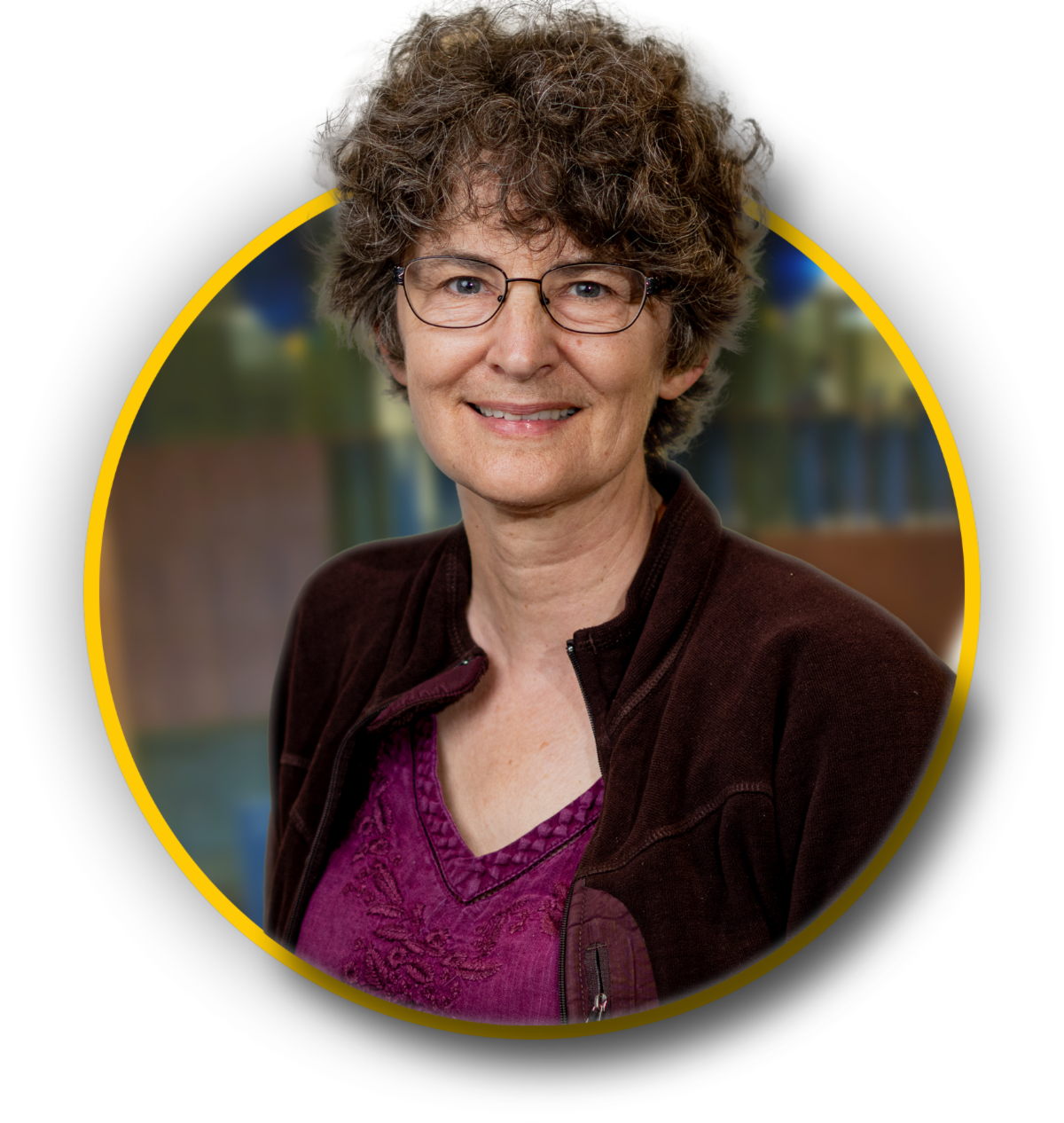
Laura Scott
Friday, March 20
10:00 AM - 11:00 AM
12:00 PM - 1:00 PM
Laura Scott is a Research Professor in the Department of Biostatistics. Scott's research interests include statistical genetics, gene expression regulation, and genetic risk factors for complex diseases. Her work focuses on integrating multi-omics data—mRNA, miRNA, ATAC-Seq, and methylation—to investigate sex-specific and genotype-related regulatory mechanisms in type 2 diabetes-related tissues. She also leads studies identifying genetic variants associated with diseases such as type 2 diabetes, bipolar disorder, and schizophrenia, with a particular emphasis on African American populations. Additionally, she develops statistical methods for genetic association studies, meta-analysis, and gene-set enrichment testing. Learn More
Jeremy Taylor

Friday, March 20
10:00 AM - 11:00 AM
12:00 PM - 1:00 PM
Jeremy Taylor is a Professor and Pharmacia Research Professor in the Department of Biostatistics. Taylor's research interests include survival analysis, longitudinal data analysis, causal inference, and statistical modeling, with applications in cancer research, radiation oncology, and bioinformatics. His work focuses on developing robust statistical methods for biomedical problems, including biomarker evaluation, risk prediction, and personalized medicine. He has contributed to modeling tumor and tissue responses to radiation, integrating multiple biomarkers for cancer prognosis, and designing clinical trials, particularly in oncology and AIDS research. Learn More
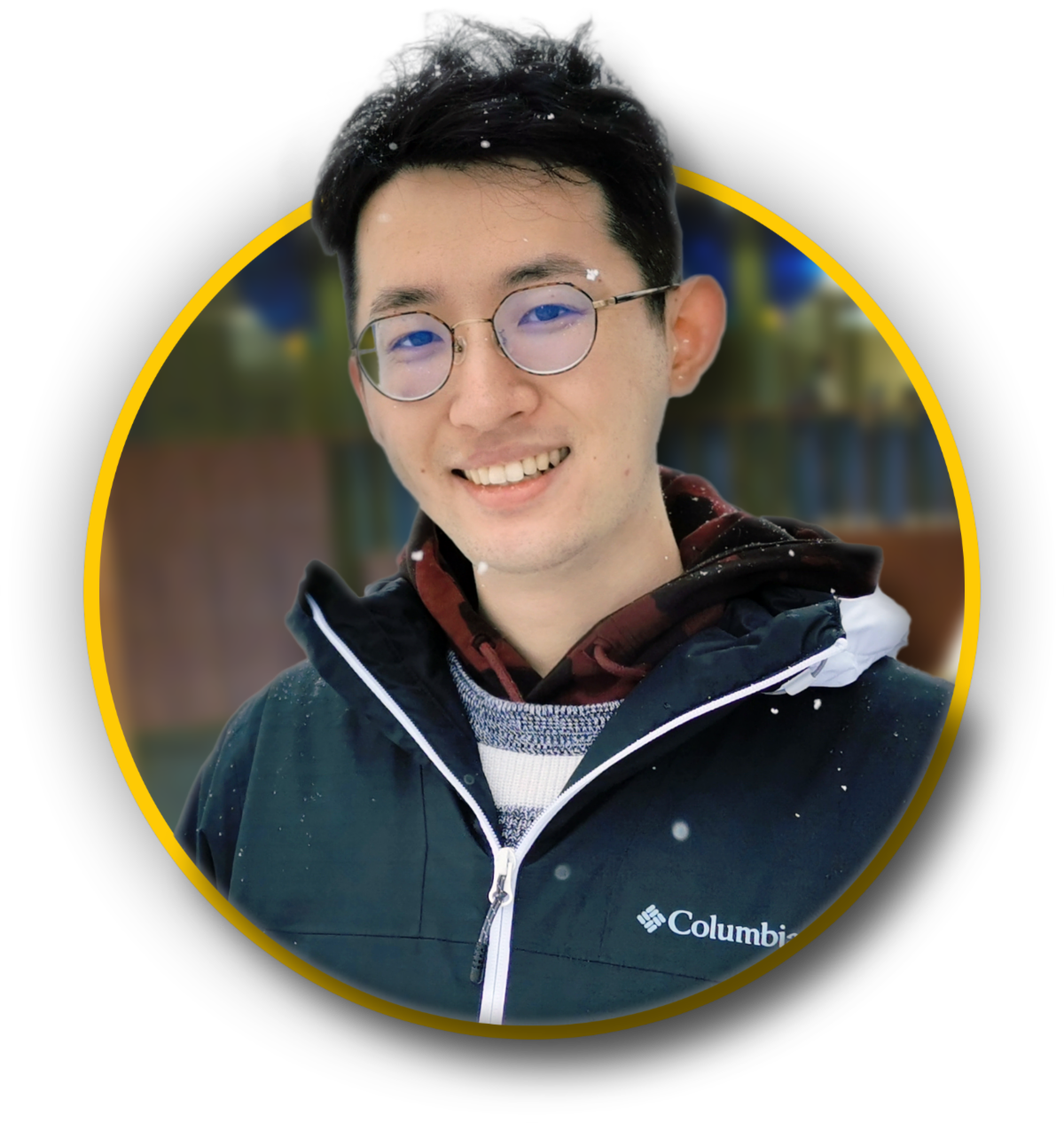
Bingkai Wang
Friday, March 20
10:00 AM - 11:00 AM
12:00 PM - 1:00 PM
Bingkai Wang is an Assistant Professor in the Department of Biostatistics. Wang's research interests include causal inference, clinical trial design, and the integration of machine learning into biomedical studies. His work focuses on developing model-robust and efficient methods for analyzing randomized trials, observational studies, and test-negative designs, particularly in infectious disease research. He is also passionate about improving translational research to enhance the accessibility and application of advanced statistical methods in clinical practice. Learn More
William Wen
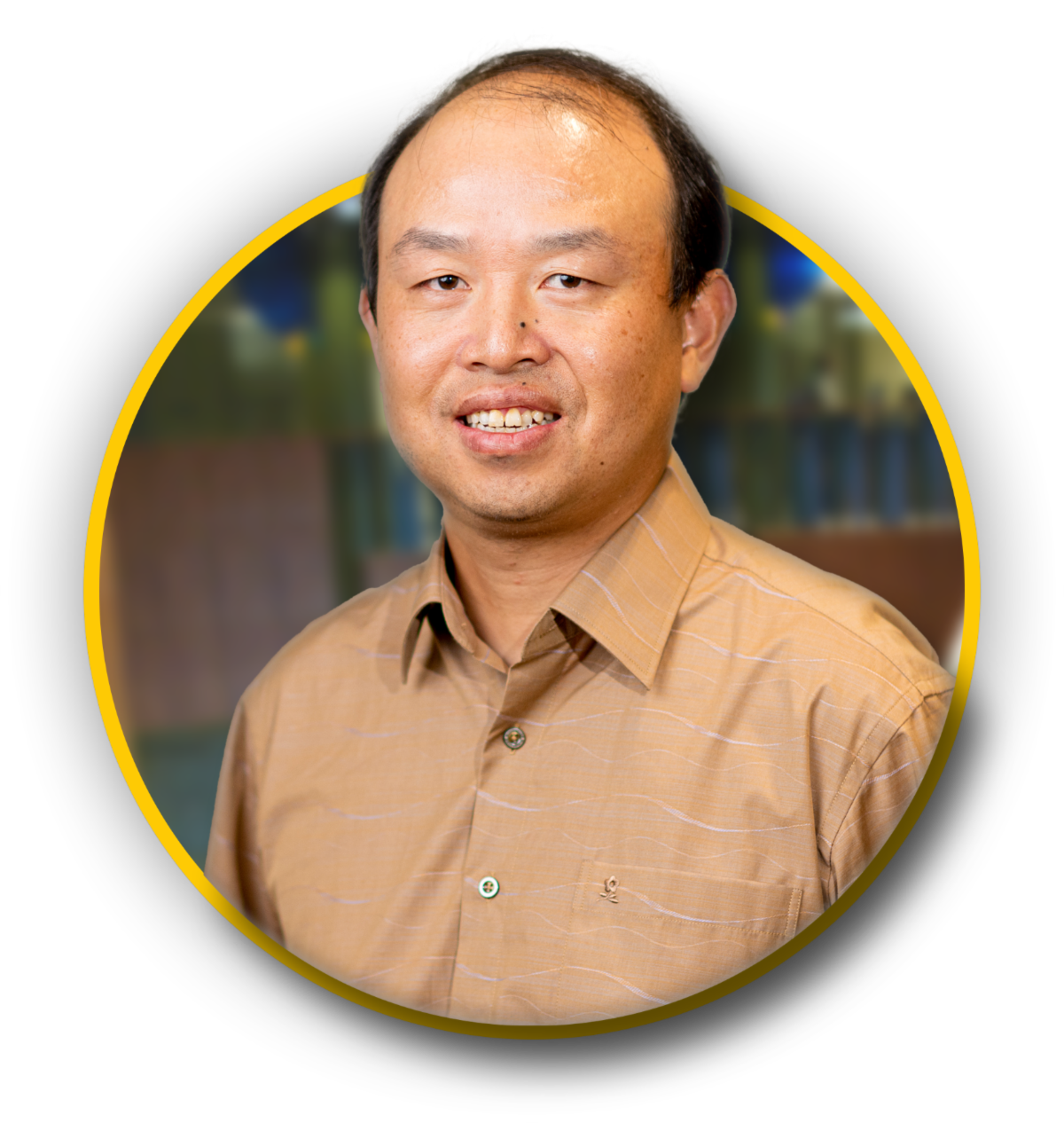
Friday, March 20
12:00 PM - 1:00 PM
William Wen is a Professor in the Department of Biostatistics at the University of Michigan School of Public Health. Wen’s research focuses on developing Bayesian and computational statistical methods to address scientific questions arising in genetics and genomics. His work emphasizes probabilistic modeling and efficient computational approaches for analyzing large-scale genomic data, with the goal of improving understanding of the genetic basis of complex traits and diseases. Through methodological development and collaborative research, he aims to advance statistical tools for modern genetic and genomic studies. Learn More
Andrew Whiteman
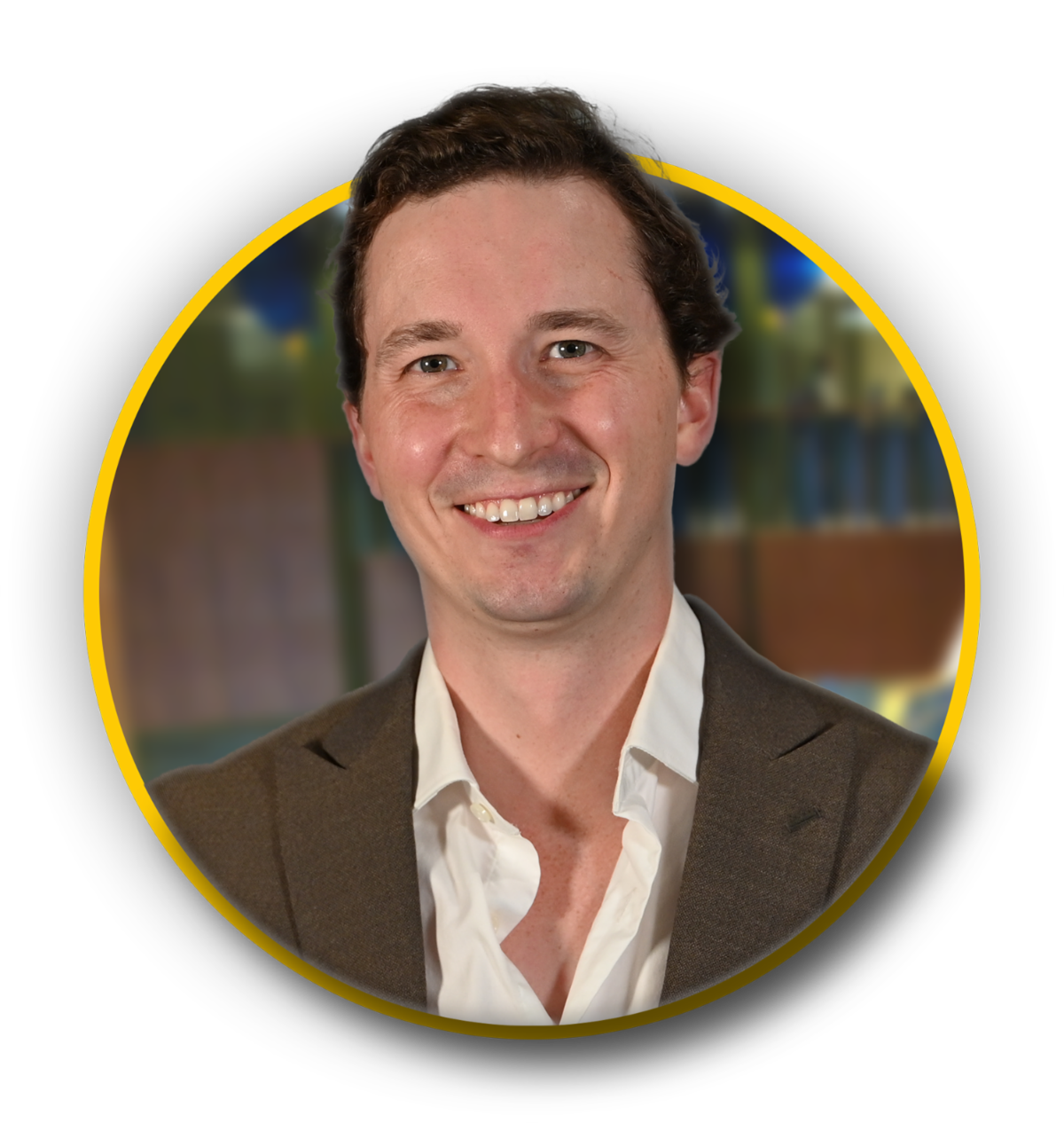
Friday, March 20
10:00 AM - 1:00 PM
Andrew Whiteman is a Research Track Assistant Professor in the Department of Biostatistics and a member of the Department of Radiology and the Cancer Data Science Shared Resource at the University of Michigan. Whiteman’s research focuses on developing scalable statistical methods for inference and prediction with complex medical imaging data, emphasizing nonparametric and spatial modeling approaches that improve the detection and localization of signals in studies such as functional magnetic resonance imaging. He is also developing methods that integrate computer vision techniques into statistical models for applications in cancer imaging and digital pathology, and has collaborated on analyses of clinical trial data to better understand biomarkers of disease prognosis, treatment efficacy, and patient safety. Learn More
Zhenke Wu
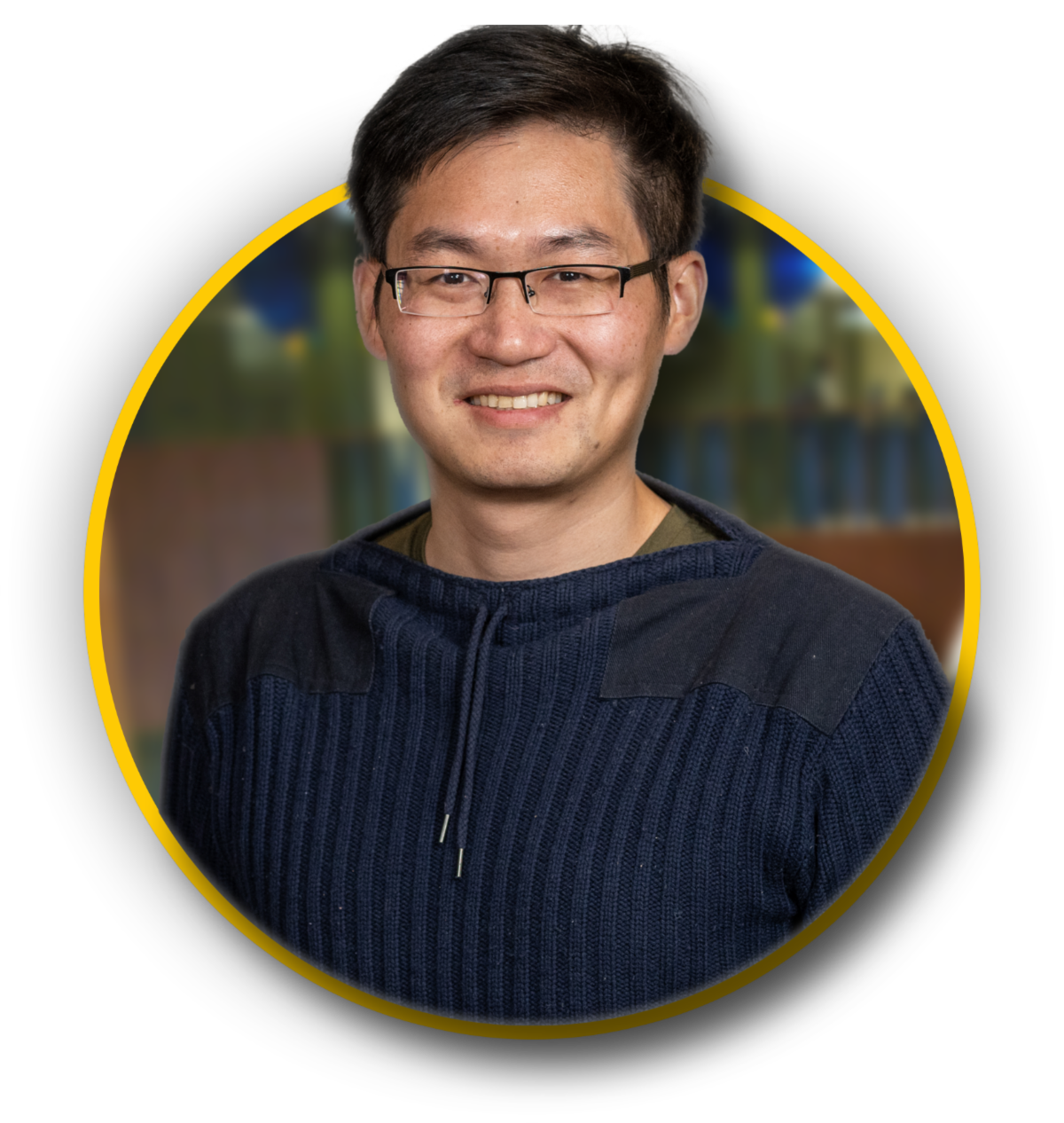
Friday, March 20
10:30 AM - 11:00 AM
12:30 PM - 1:00 PM
Zhenke Wu is an Associate Professor in the Department of Biostatistics. Wu's research interests include Bayesian latent variable models, causal inference, and reinforcement learning, with applications in precision medicine and mobile health. His work focuses on developing robust and scalable statistical methods for clustering, disease subtyping, and evaluating sequential interventions that adapt to individuals' changing circumstances. He applies these methodologies to diverse fields, including infectious disease epidemiology, mental health, and healthcare policy, leveraging high-dimensional and real-world data to inform individualized health decisions. Learn More
Matt Zawistowski

Friday, March 20
10:00 AM - 12:00 PM
Matt Zawistowski is a Clinical Associate Professor in the Department of Biostatistics. Zawistowski's research interests include statistical and population genetics, risk prediction, and precision medicine. His work focuses on developing statistical methods to analyze genetic variants from large-scale genome sequencing studies to better understand human populations and disease. He is also involved in the Michigan Genomics Initiative, integrating genomics with electronic health records to improve phenotyping and advance precision medicine. Additionally, he has a strong interest in statistics education. Learn More