Michigan Public Health professor Michael Shepherd discusses rural healthcare on university podcast

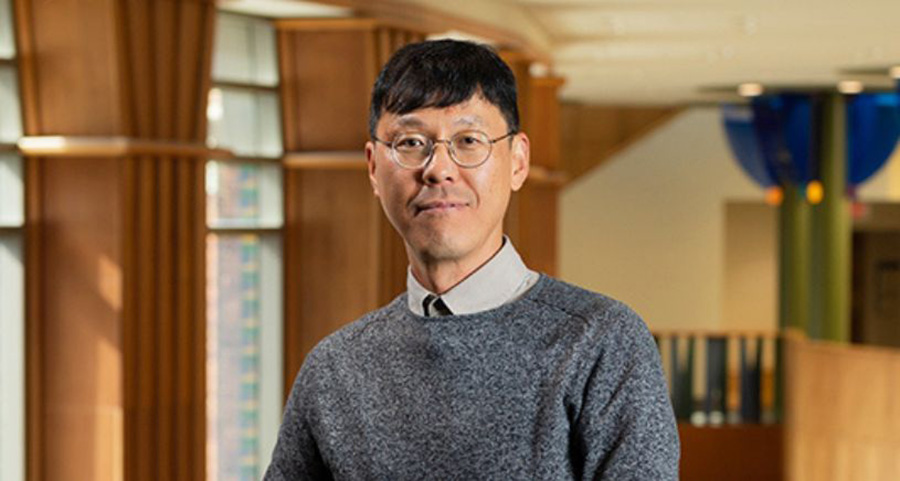
Michael Shepherd is an assistant professor of Health Management and Policy at the University of Michigan School of Public Health. His research examines U.S. health politics and policy, rural health disparities, and the roles that political parties, race and mass media play in shaping health attitudes and behaviors.
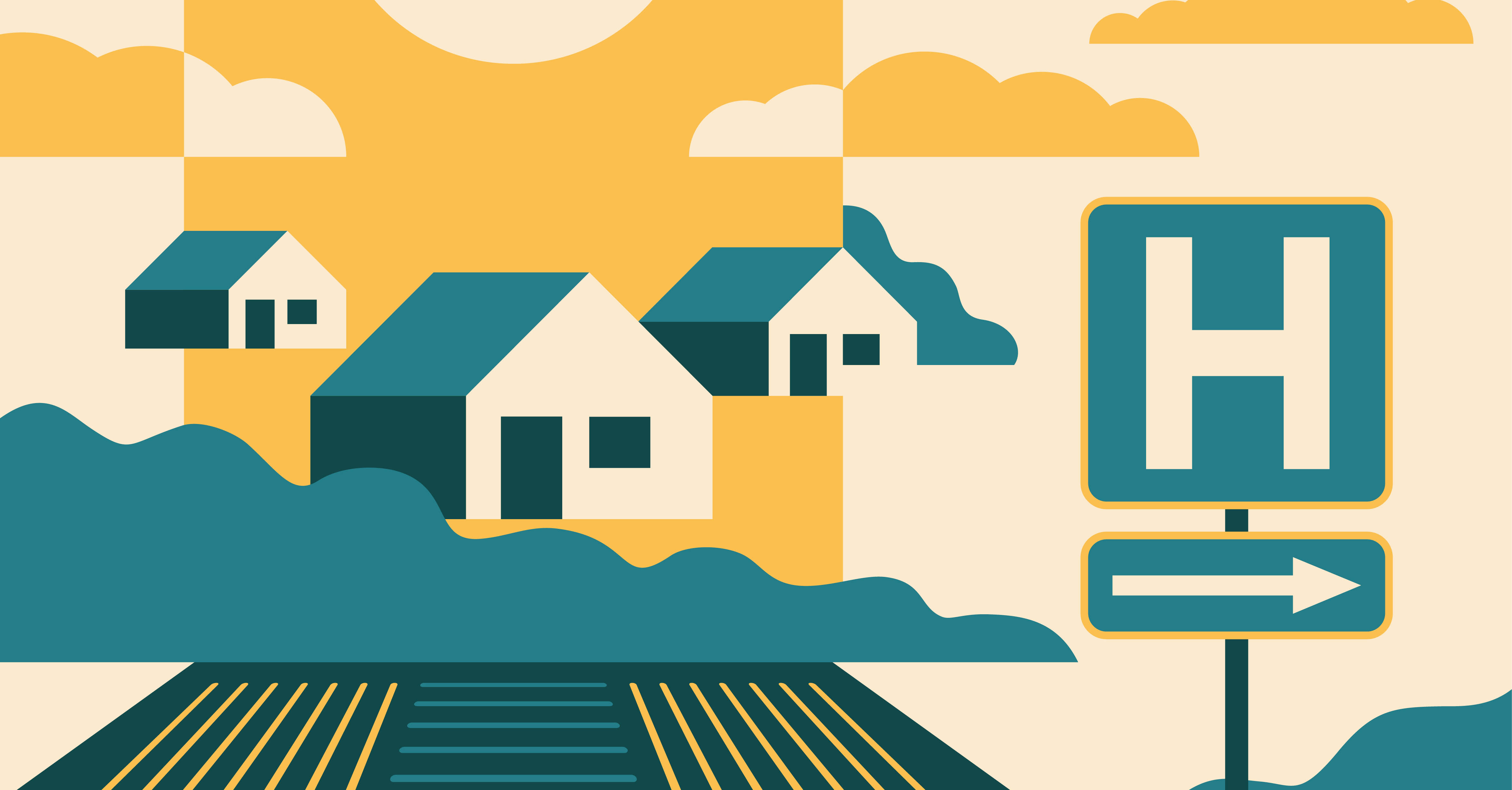
Shepherd joins the Michigan Minds podcast to discuss how healthcare has become one of voters' top priorities, especially in rural America, where hospital closures, Medicaid changes and partisan identity intersect. He explains why rural health outcomes are often viewed through a racialized, "us-vs.-them" lens, how the nationalization of news media shapes who voters blame, and why he encourages people to take elections seriously—even when being informed feels like a burden.
What's the single most important thing a rural voter should know about the midterm election and how it will affect their local community? And what's the No. 1 piece of information or evidence you'd ask anybody to look at before they vote?
Voters of any geography have differing considerations. Values, experiences and local outcomes vary a lot from place to place. And so I think it requires some Herculean assumptions for someone like me to say, this is the thing that you should think about the most. And so I'm hesitant to ever say that because I don't know every rural voter and I don't know every rural community.
But I will say, I think there's a tendency to view being informed about politics as not worth the time. And there are actually some formal models of politics that suggest that it really isn't worth the time for people to understand. So I would just say elections have severe consequences in a variety of ways, or at least they can.
And the outcomes of elections can shape one's access to healthcare, jobs in local communities, the rise and fall of gas prices. And it's important to take it seriously, to think through, why are things the way they are for me personally, or for my community or for the country? And it's important to invest the time into becoming knowledgeable about politics and participating in politics, because these election outcomes have seismic effects on societies and on local communities, and understanding how best to map your values or local outcomes or personal outcomes to the political sphere is a really difficult thing to do without being informed.
And so I just encourage people to pay attention, to be active, to be engaged, because that can really shape the rise and fall of communities that you care about.