The US lost its measles elimination status. Here's what that means and how we get it back.
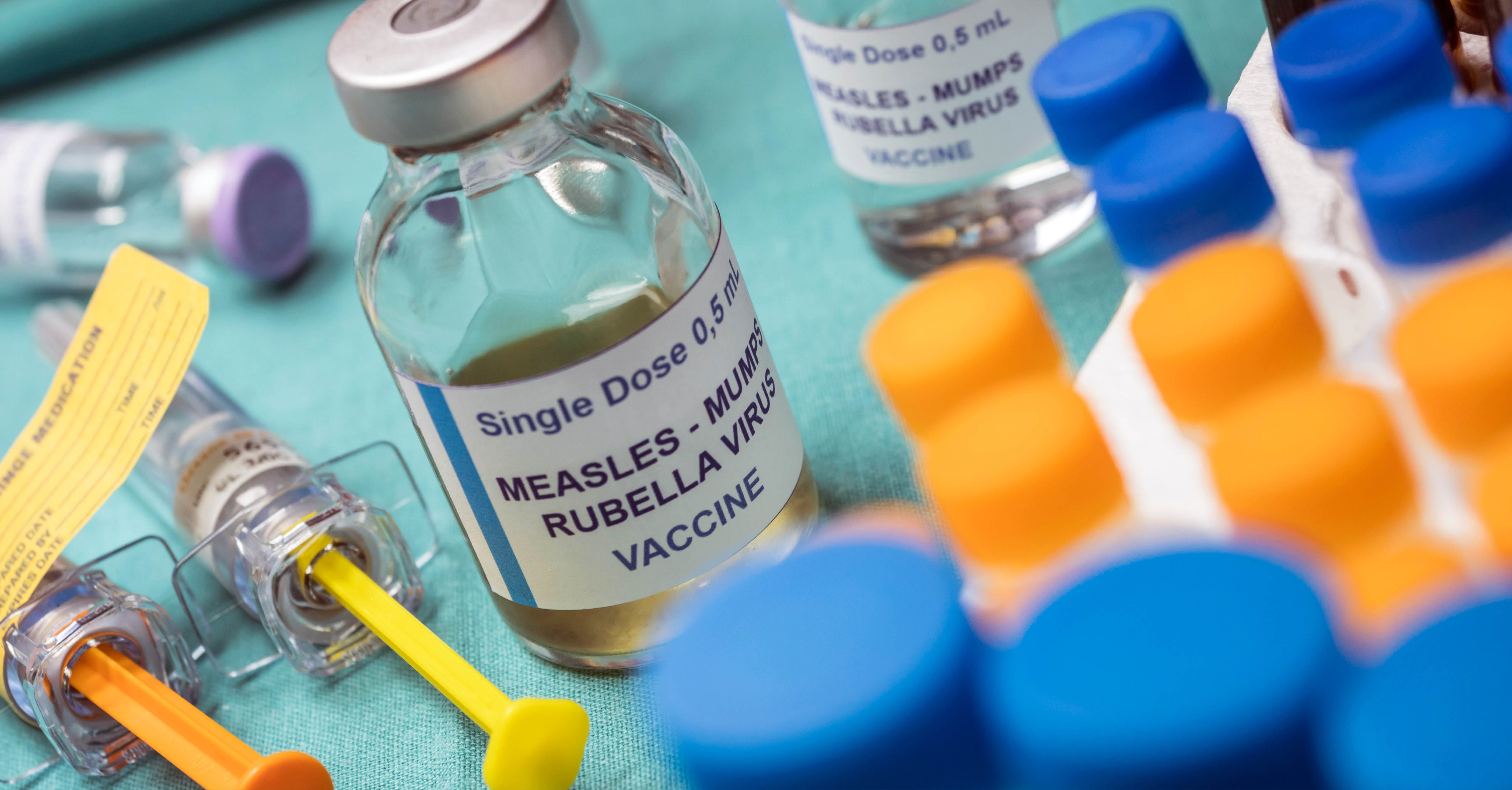
On the latest episode of Population Healthy Policy Talks, Anand Parekh and epidemiologist Aubree Gordon talk through what happened and what it will take to stop its spread.
For the first time in 26 years, the United States has lost its measles elimination status. The Pan American Health Organization found that measles has been spreading continuously in the US for a year or more, with more than 5,400 cases reported by mid-November.
The US reached elimination in 2000. That never meant zero cases. It meant outbreaks ended before measles could keep spreading. But measles is extremely contagious: one infected person can spread it to 12 to 18 others, compared with one or two for the flu.
"When measles reaches a school or community where enough people are susceptible, it can and will spread really quickly," said Aubree Gordon, professor of Epidemiology at the University of Michigan School of Public Health and director of the Michigan Center for Infectious Disease Threats and Pandemic Preparedness.
Gordon says the US can regain elimination status, but only by stopping ongoing transmission. That means getting vaccination rates back up in communities where they've fallen, making it easy for families to catch up on missed doses, and helping health departments spot cases quickly and reach people who were exposed.
Watch Gordon's full conversation with Anand Parekh, the school's chief health policy officer, on Population Healthy Policy Talks.
Media Contact
Destiny Cook
PR and Communications ManagerUniversity of Michigan School of Public Health734-647-8650