Cyclospora: Questions, confusion return as Michigan reports 2 deaths connected to the food-borne parasite
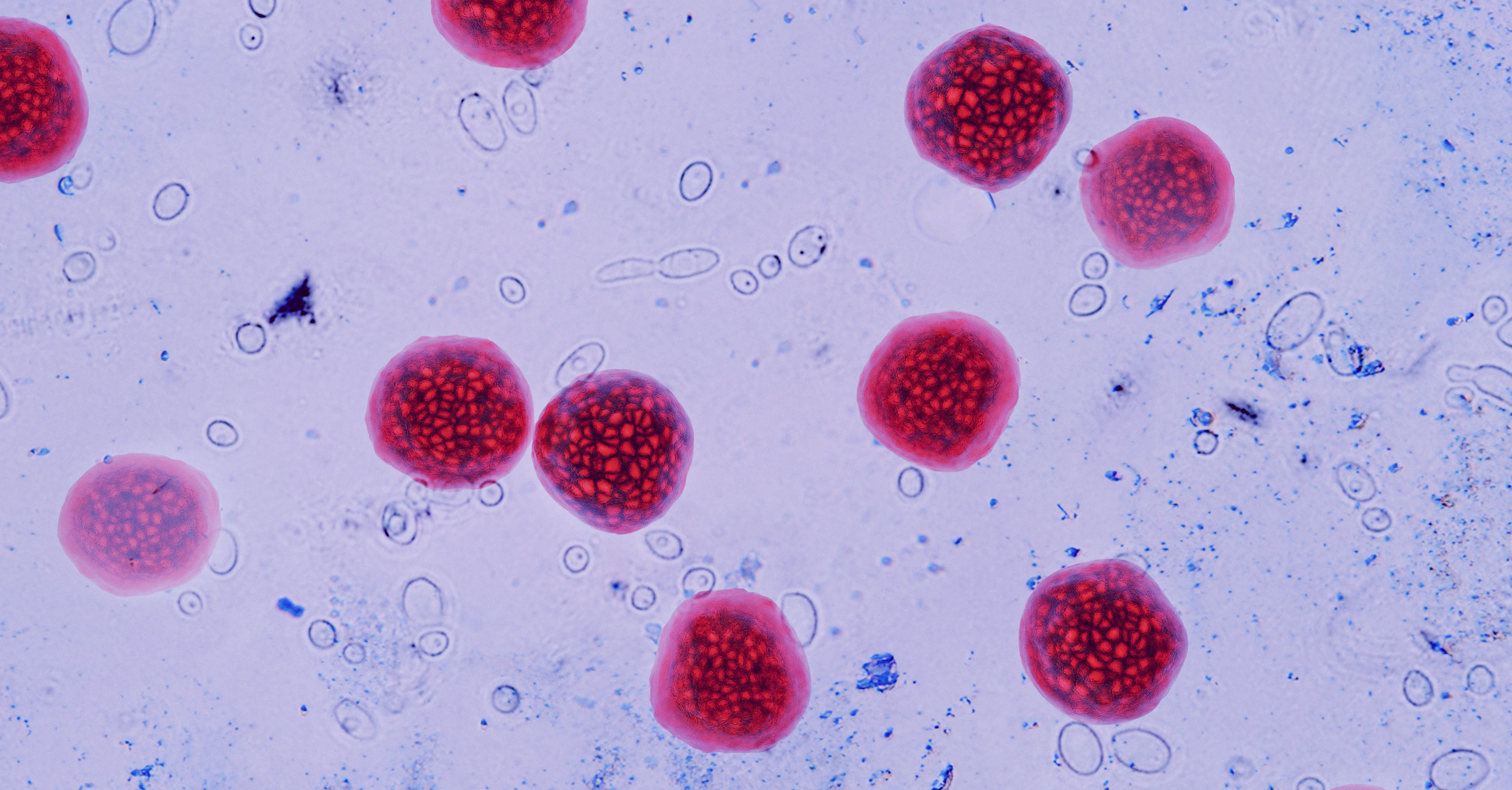
University of Michigan School of Public Health epidemiologists Joseph Eisenberg, professor at the School of Public Health, and Juan Luis Marquez, adjunct professor and medical director of the Washtenaw County and Livingston County health departments, are available to discuss cyclospora and the two reported deaths in Michigan, amid increasing cases and hospitalizations in the state.
Public health officials expect cases, reported in 45 states, to increase through August.
What do you most want people to keep in mind about the situation?
Eisenberg: We should keep in mind that pathogens are part of our ecosystem and the emergence of new pathogens will continue to occur. We need to be vigilant in managing our risks of exposure to these pathogens. For example, in the case of cyclospora, we need to wash our produce, buy whole lettuce and don't use the outer leaves, keep our kitchen surfaces clean and seek medical help if having diarrheal disease symptoms.
Marquez: I would reiterate the advice from this infographic about ways people can prevent illness. If they do develop illness, I would ask them to stay home and away from others until their symptoms resolve and to seek medical care. It can be important to stay away from others due to the symptoms of diarrhea from cyclosporiasis being nonspecific and possibly related to a number of other diarrhea illnesses, some of which are transmitted person to person. So we generally recommend that people stay at home until symptoms either resolve or seek medical care to better understand what the illness is.
Why does it seem it's been so difficult to contain?
Marquez: There are many factors; One, the incubation period is long, which makes it difficult to remember what patients ate. It's also not as easy to grow in a lab setting as other pathogens. Two, the food trace-back and trace-forward process is very laborious and time consuming. Three, there have been staffing cuts at all levels of public health, federal, local, state, so there are less resources and capacity generally available.
How concerned should the public be?
Eisenberg: Conditions and risks are continually evolving due to changing conditions. Climate change is one big factor. Others include changing conditions in the agriculture and food distribution sectors. We need to be continually collecting information so we are well informed of the current risks and how they may be different from past risks.
Marquez: The epi-curve graph on the MDHHS webpage under Cases by Illness Onset shows the outbreak has been subsiding, but because of the long incubation period, long symptomatic phase, and to some degree, delays in testing, most of the cases being reported are from earlier in the summer.
When a food outbreak happens, how does the tracing process work?
Marquez: Locally, tracking and enforcement is similar to previous food outbreaks (but other outbreaks have been smaller in scale). I can't speak to the experience of state, federal public health investigators.
Eisenberg: People that present with symptoms, called cases, are interviewed and asked what foods they have eaten. Outbreak investigators analyze the data to see if there are any common food items eaten by the cases. Sometimes they compare this with people in the same setting that did not get sick to see if they were less likely to eat those food items. Once a food item is identified as a potential source, investigators try to isolate the pathogen from that food item. Tracing is more difficult for cyclospora because people do not present with symptoms often for one week and sometimes up to two weeks. Therefore, we are asking people to remember what they ate one to two weeks ago, which is difficult.
Does buying produce from local farms lessen the risk of exposure to the cyclospora?
Eisenberg: It should. Cyclospora has generally been associated with contamination from imported produce from the tropics and subtropics. This is because those locations are where cyclospora is known to be endemic, places that have optimal environmental conditions for the parasite to mature and become infectious to humans—warm, humid and lots of rain. For locally grown produce to be contaminated with cyclospora, crops would have to have been irrigated with cyclospora-contaminated water sources. Although this is possible, no one has shown this to be the case. But remember, local produce can be contaminated by other pathogens if proper practices are not taken to minimize risks. However, local food production has a much simpler supply chain and therefore it is easier to manage risk.
Media Contact
Kim North Shine
Senior Public Relations Representative, Health Sciences
Michigan News
[email protected]
313-549-4995