New report identifies health and access gaps in Michigan’s Vietnamese community

First statewide assessment finds high uninsured rates, language barriers to care, and unmet mental health needs among Vietnamese Michiganders.
Vietnamese Michiganders are nearly five times more likely to be uninsured for healthcare than the state average and face persistent language barriers to care, according to the first Vietnamese Community Health Needs Assessment conducted in Michigan.
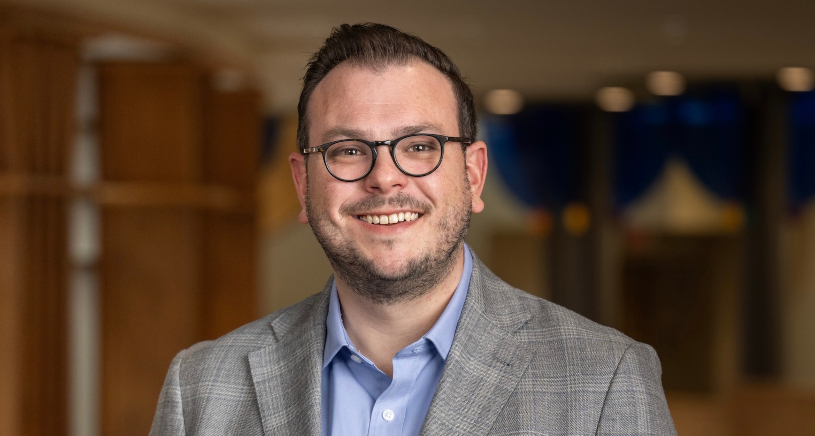
The report was produced by the KITH (Kinship, Intersectionality, and Transformative Health) Lab, led by University of Michigan School of Public Health researcher James Huỳnh, in partnership with the Michigan chapter of the Progressive Vietnamese American Organization (PIVOT).
The team interviewed community members and ran focus groups, then surveyed 144 respondents across 16 counties. Weighted to reflect the state's estimated 33,649 Vietnamese residents, the results point to gaps in language access, insurance coverage, and mental health care.
Key findings
- Language barriers limit access to care. While 71% of respondents said they'd recommend their doctor to a friend, only 63% would recommend that same doctor to someone with limited English proficiency, pointing to a shortage of Vietnamese-speaking providers and underused interpreter services.
- Michigan lacks the infrastructure to serve the community. 87% of respondents said the state lacks adequate language-specific staff and resources for healthcare and civic services.
- Uninsured rates are nearly five times the state average. 24% of Vietnamese Michiganders are uninsured, compared with 5% statewide and 11% nationally.
- Mental health needs are high, but support is limited. More than a third of respondents said they needed to see a mental health professional in the past year, and 1 in 6 screened positive for depressive symptoms. Vietnam-born respondents reported similar rates of depressive symptoms as US-born respondents but were far less likely to say they needed help, a gap researchers linked to stigma and a shortage of culturally responsive providers.
- Refugee trauma and racism continue to affect families. Nearly 1 in 6 respondents reported experiencing a hate incident in the past year, and interviews described ongoing caregiving burdens tied to war, displacement, and resettlement.
Policy recommendations
A policy brief highlighting the findings recommends a Vietnamese community center in high-density counties, audits of interpreter use in healthcare settings, and expanded health insurance enrollment assistance through Medicaid and the Marketplace. It also calls for training incentives to grow a Vietnamese-speaking mental health workforce, given the gap between depressive symptoms and reported need for care.
“For too long, the needs and experiences of Vietnamese Americans in Michigan have been largely invisible in the data. This report brings much-needed attention to our community, and we hope these findings lead to deeper engagement and investment in the health and well-being of Vietnamese Michiganders,” said Henry Duong, chapter lead of PIVOT-Michigan.
Underlying many of these findings, researchers say, is a data problem: Asian American health data in Michigan is typically reported as one aggregated category, a practice that has kept Vietnamese-specific needs largely invisible in state and health system data until now. Disaggregating—or separately reporting—data by subgroup, such as Vietnamese, Hmong, and Chinese, could allow disparities specific to individual communities to be identified and addressed, they say.
“The Vietnam War is so often evoked as a metaphor, but we often forget about the Vietnamese refugees and their families who came to the U.S. This study centers those voices and sheds light on urgent health inequities for Michigan’s policymakers and healthcare systems to consider.,” said Huỳnh, an assistant professor in the School of Public Health’s Department of Health Management and Policy.
Read the full policy brief, team details, and project overview.
This research was funded by the Phillip J. Bowman Center for Scholarship to Practice at the University of Michigan.
Media Contact
Destiny Cook
PR and Communications ManagerUniversity of Michigan School of Public Health734-647-8650