On the Heights: February 2026
Stay informed with the latest from the University of Michigan School of Public Health community in our monthly digest. Faculty expertise in action, groundbreaking research, policy advocacy, and community engagement highlight our continued commitment to advancing public health and creating positive change.
Research & funding
Bold Challenges awards seed funding to researchers exploring manufacturing and AI, future of food
The university’s Bold Challenges initiative recently awarded seed funding to 14 University of Michigan faculty teams to support projects that aim to address food challenges and explore the intersection of AI and manufacturing. Aleda Leis from the Department of Epidemiology received funding as principal investigator for a pilot feasibility study on food insecurity and glycemic variability.
AI grant targets deadliest form of ovarian cancer
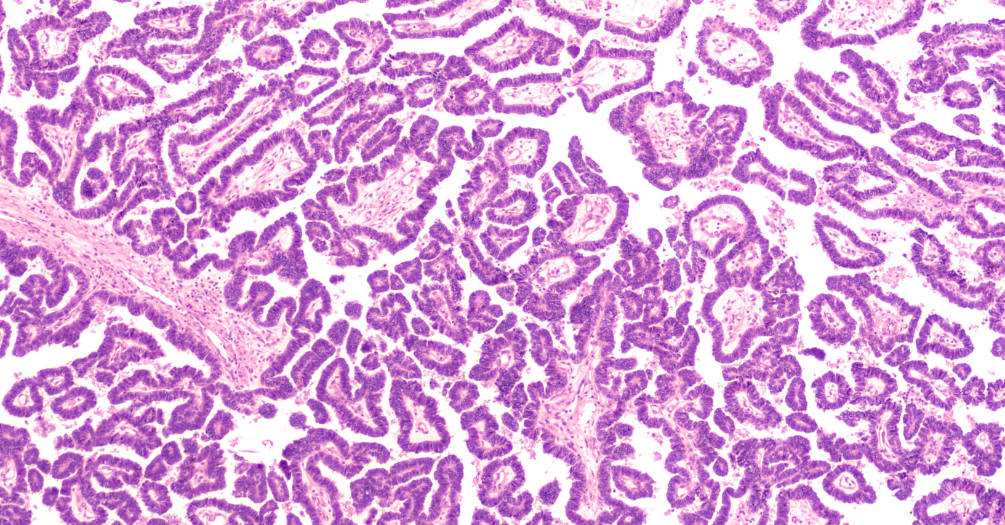
Epidemiology professor Leigh Pearce is leading an international research team that received the inaugural $1 million AI Accelerator Grant from the Global Ovarian Cancer Research Consortium, backed by an additional $1 million in computing support from Microsoft's AI for Good Lab. The grant will fund AI-driven analysis of one of the largest international collections of ovarian cancer data ever assembled, with the goal of better predicting survival and treatment response in the most common and deadly form of the disease.
Researchers track the spread of Valley Fever into new territory
Valley Fever is spreading beyond its traditional boundaries, and Michigan Public Health researchers are tracking where it's headed next. A new study led by Sophia Kruger and Jennifer Head, published in CDC's Morbidity and Mortality Weekly Report, found that cases of coccidioidomycosis in northern Arizona grew by more than 550% over a nearly 20-year period. The fungal lung infection has long been associated with the hot, dry deserts of southern Arizona, but the research suggests that cooler northern regions are seeing the sharpest relative increases — areas where patients and providers may be least prepared to recognize it. The findings point to a clear need for expanded public health awareness as climate change continues to reshape the geography of disease.
New research evaluates the efficacy of hospital-based violence intervention programs
Jason Goldstick’s latest study, published in the Annals of Internal Medicine, found that although hospital-based violence prevention programs (HVIPs) can improve long-term violence outcomes, these effects seem to require intensive participant engagement. This research highlights the importance of increasing participant engagement and aligning HVIPs with other community violence intervention strategies to maximize the impact of these programs.
Expert contributions & media
Emily Martin appointed to Michigan's Public Health Advisory Council
Michigan Governor Gretchen Whitmer appointed Emily Martin, professor of Epidemiology, to the Public Health Advisory Council. The Council provides advice about emerging issues in public health, monitors the effectiveness of Michigan’s public health response system, and reviews multiagency efforts to support a collaborative, unified public health response.
Devon Payne-Sturges delivers brief to inform Maryland housing policy for farmworkers
Devon Payne-Sturges, professor of Environmental Health Sciences, recently briefed the Maryland General Assembly's Economic Matters Committee on poor housing conditions affecting migrant and seasonal farmworkers. Her presentation draws on findings from the RESPIRAR Project to help inform legislative solutions. Payne-Sturges presented on the outcomes and quality of the Maryland Department of Labor housing inspections, featuring analyses conducted by Michigan Public Health graduate students Chloe Thach of Environmental Health Sciences and Camille Ingram of Health Behavior & Health Equity.
Dana Dolinoy explains how epigenetics can help us understand the health effects of ultra processed foods
Epigenetics, the study of how environmental and behavioral factors modify gene expression, helps explain how what we eat influences our health. Dana Dolinoy, NSF International Chair of Environmental Health Sciences, explores the science behind using dietary changes or lifestyle changes to counteract the negative effects of toxic chemical exposures on the Michigan Minds podcast.
William Lopez co-authors op-ed on the lasting public health harms of ICE sweeps
William Lopez, clinical associate professor of Health Behavior & Health Equity, explains how intensive immigration enforcement operations deter people from seeking medical care, restrict their access to resources to stay healthy, and isolate them from their social support systems in an article published in The Conversation.
Op-ed: Do dietary guidelines really move the needle on American health?
The release of the 2025-2030 U.S. Dietary Guidelines for Americans has generated plenty of headlines, but Anand Parekh, chief health policy officer at Michigan Public Health, argues that the real drivers of what Americans eat have little to do with federal guidance documents. Writing in MedPage Today alongside former U.S. Secretary of Agriculture Dan Glickman, Parekh outlines a concrete policy agenda — from FDA sodium reduction targets and front-of-package nutrition labels to expanding food access in underserved communities — to reverse the nation's diet-related chronic disease epidemic. "Guidelines are helpful," they write, "but action is what will ultimately make America a healthier nation."
Community impact
Youth Empowerment Solutions program helps young people reduce violence in their communities
Health Behavior and Health Equity Professor Marc Zimmerman co-founded the Youth Empowerment Solutions (YES) program on a simple but powerful premise: young people should lead the creation of solutions in their own communities. Research shows participants felt more empowered, improved their problem-solving skills, and demonstrated fewer problem behaviors—including alcohol use, crime, and violence—compared to peers who didn't take part. The team is now expanding YES by offering free online access to all program materials and low-cost facilitator training, with plans to extend the program to high school students with a focus on employment skills.
Collective imagination is the first step toward change
In a piece for Public Health Post, Paul Fleming, associate professor of Health Behavior and Health Equity, argues that envisioning a better world is essential to building one. Fleming urges public health professionals to anchor their work in a hopeful vision of the future, writing that "imagining this better world, in vivid detail, is the first step towards building it." The call to collective imagination extends beyond the page: Fleming has also launched a salon series inviting audiences to explore together how we might create the healthier, more equitable world public health strives toward.
Tags
- Biostatistics
- Environmental Health Sciences
- Epidemiology
- Faculty
- Health Behavior and Health Equity
- Health Management and Policy
- MPH
- Nutritional Sciences
- On The Heights
- Adolescent Health
- Environmental Health
- Epigenetics
- Health Care Access
- Hospital Administration
- Immigration
- Michigan
- Nutrition
- Policy
- Research
- Research funding
- Research impact
- Toxicology
- Violence